
FinancialInclusion – PM SVANidhi Expansion Reflects Growing Digital Success Among Street Vendors
FinancialInclusion – The Pradhan Mantri Street Vendor’s AtmaNirbhar Nidhi (PM SVANidhi) programme has crossed a major milestone, with more than 55 lakh street vendors now connected to the digital ecosystem. According to information released on Saturday, beneficiaries under the scheme have completed over 841 crore digital transactions with a combined value of approximately Rs 8.96 lakh crore. The initiative has also delivered significant financial benefits through cashback rewards and interest subsidies.
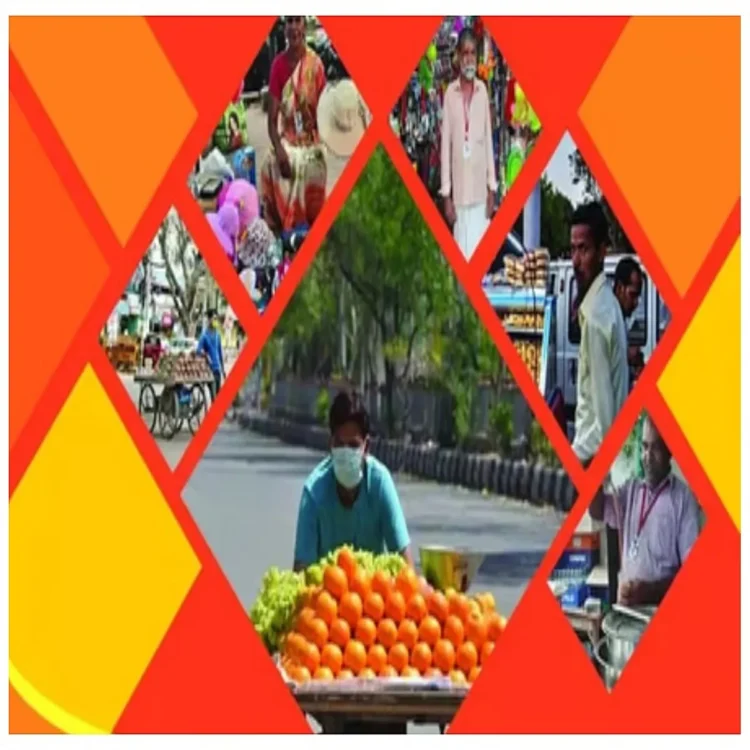
Digital Adoption Reaches New Heights
Government data shows that street vendors enrolled under PM SVANidhi have received nearly Rs 800 crore through various incentives linked to digital transactions and loan repayment benefits. The increasing use of digital payment platforms among vendors highlights the growing acceptance of technology-driven financial services in the country’s informal business sector.
The strong performance of the programme has encouraged authorities to continue its implementation, leading to an extension of the scheme until March 2030.
Scheme Began During Economic Challenges
Introduced in June 2020, PM SVANidhi was launched to support street vendors affected by economic disruptions. The programme was designed as a unique micro-credit initiative that offered government-backed financial assistance to small vendors who often lacked access to formal banking services.
Over the years, the scheme has evolved beyond a credit programme and has become a wider platform for financial inclusion, helping millions of self-employed individuals gain access to institutional support and digital financial tools.
Improved Access to Formal Credit
One of the most significant outcomes of PM SVANidhi has been the expansion of formal credit access. Official figures indicate that nearly 95 percent of beneficiaries obtained institutional loans for the first time through the programme. This shift has helped vendors reduce dependence on informal borrowing channels that often involve higher costs and financial risks.
The availability of collateral-free working capital loans has enabled many small businesses to maintain operations, manage inventory and improve financial stability.
Income Growth and Better Living Standards
The programme has also contributed to higher earnings among beneficiaries. According to the official statement, participating vendors experienced an average annual income increase of nearly 20 percent. The additional income has supported improvements in everyday living conditions, including better housing arrangements and greater access to essential services.
Many beneficiaries have reported stronger financial security, allowing them to spend more on healthcare, education and nutritious food for their families.
Focus on Inclusion and Social Security
PM SVANidhi has played an important role in supporting socially and economically vulnerable communities. Women account for nearly 46 percent of the scheme’s beneficiaries, while around 70 percent belong to marginalized sections of society.
The initiative has strengthened social inclusion by bringing underserved groups into the formal financial system and expanding their access to government-backed support mechanisms.
Loan Structure and Digital Incentives
Under the scheme, eligible street vendors can receive collateral-free working capital loans through three progressive stages of Rs 15,000, Rs 25,000 and Rs 50,000. These loans are supported by interest subsidies and credit guarantee benefits.
Vendors who successfully repay their loans can also become eligible for UPI-linked RuPay Credit Cards with credit limits of up to Rs 30,000. Additionally, cashback rewards of up to Rs 1,600 are available for vendors using digital payment methods, encouraging wider adoption of cashless transactions and improved financial literacy.