
EnergyConservation – Modi Government Pushes Fuel-Saving Measures Across Official Departments
EnergyConservation – Prime Minister Narendra Modi has initiated a series of fuel-saving measures within government operations, encouraging reduced fuel consumption and greater use of sustainable transport options across the country.
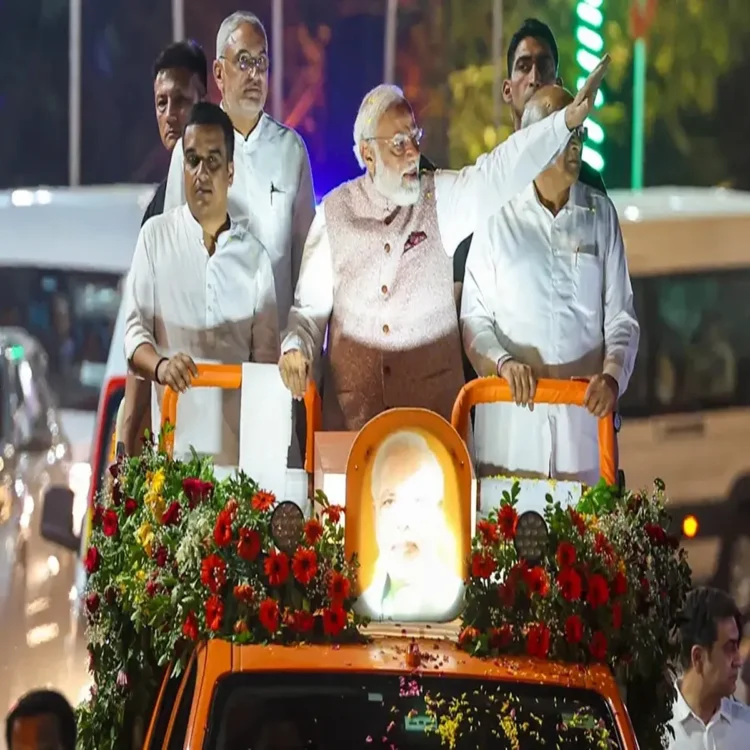
Prime Minister Narendra Modi has begun implementing austerity-focused transport measures by significantly reducing the size of his official convoy during recent public visits. The move comes shortly after his appeal for responsible fuel usage and energy conservation amid rising global fuel concerns and economic pressures.
According to official sources, the reduced convoy arrangement was seen during the Prime Minister’s visits to Gujarat and Assam following his public address in Hyderabad earlier this week. Despite the reduction in the number of vehicles, all mandatory security arrangements under the Special Protection Group (SPG) guidelines remained fully operational.
Electric Vehicles Added to Official Transport Plans
Sources familiar with the matter said the Prime Minister has also instructed officials to gradually include electric vehicles in his convoy wherever practical. The direction reportedly focuses on using available electric vehicles without initiating any new procurement process.
Security agencies and SPG teams have already started implementing these adjustments while maintaining strict compliance with the established Blue Book security protocols. Officials stated that security considerations continue to remain the top priority even as fuel-saving measures are introduced.
The austerity measures are not limited to the Prime Minister’s office alone. Reports indicate that the Union Home Minister has also reduced the size of his convoy to less than half in response to the Prime Minister’s broader appeal for conservative fuel consumption.
Ministries Preparing Internal Fuel-Saving Guidelines
Government departments and ministries are now expected to follow similar conservation practices in the coming weeks. Senior officials indicated that discussions are ongoing regarding practical steps that can reduce unnecessary fuel usage across administrative operations.
A senior government official said departments have been advised to identify workable methods for cutting down fuel consumption. Officials are currently awaiting detailed instructions from the Department of Personnel and Training regarding possible implementation frameworks and operational guidelines.
The proposed measures are expected to include reduced non-essential travel, increased use of public transport systems, greater dependence on electric mobility, and wider adoption of remote work practices where possible.
Public Transport and Carpooling Encouraged
During his recent speech in Secunderabad, Prime Minister Modi stressed that responsible citizenship now includes making conscious lifestyle choices that support national interests. He said patriotism should also reflect in everyday actions that contribute to economic stability and resource conservation.
The Prime Minister urged citizens to reduce petrol and diesel usage by increasingly choosing metro rail services, carpooling arrangements, and electric vehicles. He also encouraged businesses and logistics operators to make greater use of railway networks for parcel transportation to reduce pressure on fuel-intensive road transport systems.
Officials confirmed that the issue of reducing unnecessary travel and conserving fuel resources was also discussed during a recent informal meeting of ministers chaired by Defence Minister Rajnath Singh.
Wider Focus on Import Reduction and Sustainability
Apart from transport-related measures, the Prime Minister also highlighted the importance of lowering the country’s dependence on imported products. He appealed to citizens to reduce edible oil consumption as part of efforts to control import expenses and strengthen economic resilience.
In addition, farmers were encouraged to limit the use of chemical fertilisers and gradually adopt natural farming practices that are considered more sustainable and environmentally friendly.
Government insiders believe these conservation efforts could shape broader administrative reforms focused on reducing operational costs, improving energy efficiency, and encouraging environmentally responsible governance practices across departments.