
Energy – Modi and Trump Discuss Hormuz Security, Boost Strategic Ties
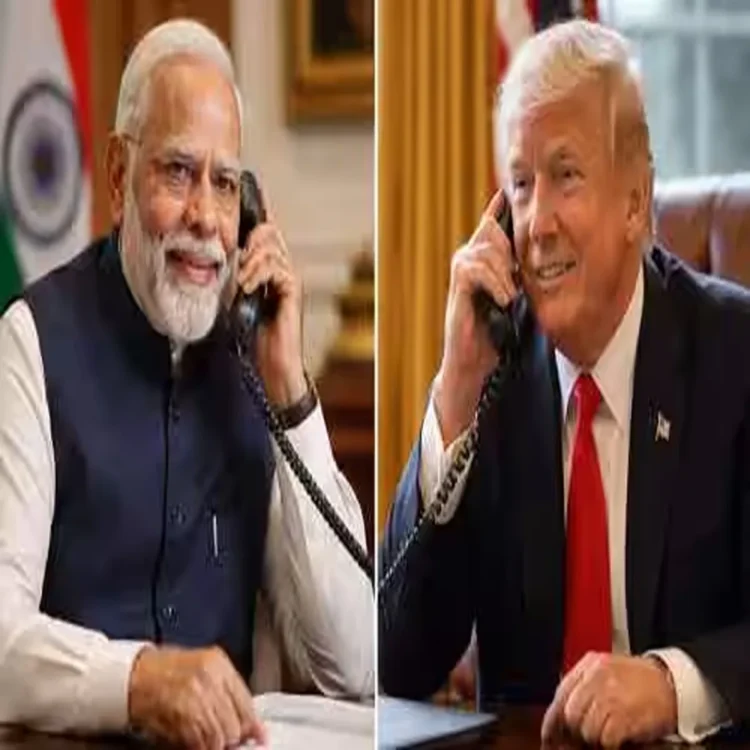
Energy – India’s Prime Minister Narendra Modi and former US President Donald Trump held a detailed phone conversation on Tuesday, focusing on rising tensions in West Asia and the strategic necessity of keeping the Strait of Hormuz safe and operational.
Focus on Strait of Hormuz and Regional Stability
During the nearly 40-minute discussion, both leaders expressed concern over developments affecting global energy supply routes. The Strait of Hormuz, a vital maritime corridor through which a large share of the world’s oil passes, was a central point of discussion. They underlined the importance of ensuring uninterrupted navigation in the region, especially amid growing geopolitical tensions.
This marked their third interaction this year and the first since recent diplomatic efforts between the United States and Iran. Earlier conversations in February and March had addressed trade cooperation and the broader West Asia situation.
Strengthening India-US Strategic Partnership
Following the call, Prime Minister Modi highlighted the steady progress in India-US relations, noting that both sides remain committed to deepening cooperation across multiple sectors. He emphasized that the Comprehensive Global Strategic Partnership between the two countries continues to expand, reflecting shared interests in economic growth, security, and innovation.
The conversation comes at a time when both nations are working to reinforce ties after a period of strain linked to trade disputes and geopolitical differences. Recent engagements suggest a renewed effort to rebuild trust and advance mutual priorities.
Prospects of Major Energy Agreements
US Ambassador to India Sergio Gor described the exchange as constructive and forward-looking. He indicated that several significant agreements, particularly in the energy sector, may be announced soon. While he did not provide specific details, he suggested that collaborations involving Indian public-sector companies and American firms are under active consideration.
According to sources, these potential deals could play a key role in enhancing energy security and diversifying supply chains, especially at a time when global markets are experiencing volatility.
Rising Concerns Over Maritime Disruptions
The discussion also touched upon disruptions in the Strait of Hormuz, which have had a noticeable impact on global oil and gas prices. The United States has expressed strong concern over restrictions affecting international waterways, stressing that such routes must remain accessible under global agreements.
Officials noted that instability in the region has broader consequences, affecting not only energy markets but also global trade flows. Both sides agreed that restoring normalcy in the region would benefit countries worldwide, including major energy importers like India.
Diplomatic Engagements and Future Talks
While questions remain about the future of US-Iran negotiations, officials indicated that diplomatic efforts are ongoing. However, no formal announcements regarding new talks have been made.
The call also follows a recent visit by India’s Foreign Secretary Vikram Misri to Washington, where discussions focused on defence and economic cooperation. These engagements are part of a broader effort to align priorities and strengthen institutional ties between the two countries.
Upcoming High-Level Visits and Cooperation
Looking ahead, US Secretary of State Marco Rubio is expected to visit India next month. The visit is anticipated to include discussions with senior Indian officials on a range of issues, including trade, defence, and regional security.
Officials have suggested that several key agreements could be finalized ahead of or during this visit, further reinforcing bilateral cooperation. Additionally, preparations are underway for a Quad ministerial meeting in India, underscoring the strategic importance of the Indo-Pacific region.
The renewed diplomatic momentum highlights the growing significance of India-US relations in addressing global challenges, particularly in areas such as energy security, maritime stability, and economic collaboration.