
Electric Vehicles – Delhi Introduces Fresh EV Policy With Tax Relief and Purchase Incentives
Electric Vehicles – The Delhi government has approved a comprehensive Electric Vehicle (EV) Policy that offers significant financial benefits to encourage residents to shift toward cleaner modes of transport. Effective from July 1, the policy removes 100% road tax and registration charges for electric cars priced up to Rs 30 lakh (ex-showroom) when registered in the national capital.
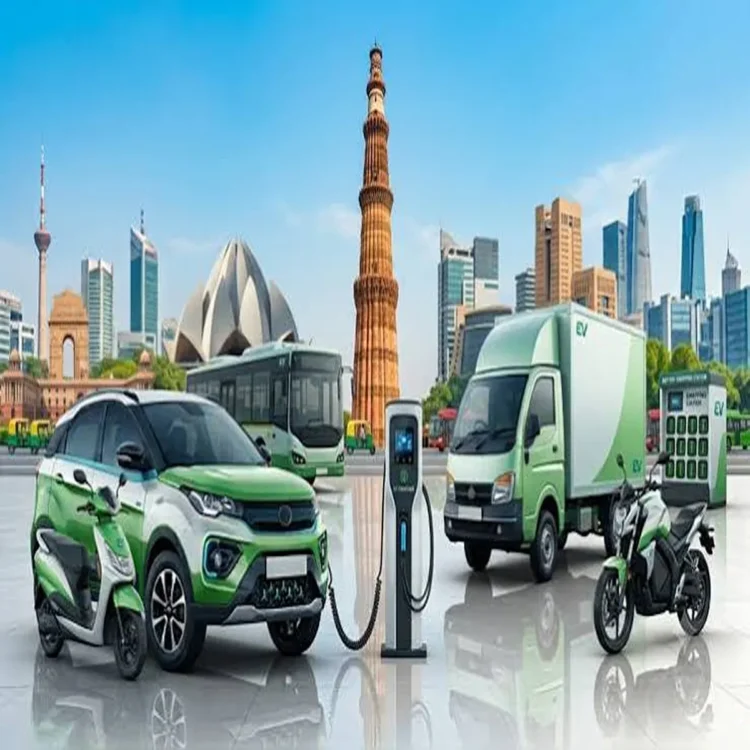
Financial Support for Electric Vehicle Buyers
The newly approved policy introduces a phased subsidy structure for buyers of electric two-wheelers over the next three years. Customers purchasing eligible electric scooters and motorcycles during the first year will receive an incentive of Rs 30,000. The subsidy will reduce to Rs 20,000 in the second year and Rs 10,000 during the third year.
Electric three-wheeler buyers will also benefit from government support. Eligible purchasers can receive incentives of Rs 50,000 in the first year, Rs 40,000 in the second year, and Rs 30,000 in the third year. These measures are intended to accelerate the adoption of electric mobility across multiple vehicle categories.
Incentives for Commercial Vehicles and Scrappage
The policy extends financial assistance to commercial transport as well. Buyers of N1 category electric goods carriers, which include light commercial trucks with a gross vehicle weight of up to 3.5 tonnes, will be eligible for purchase incentives of up to Rs 1 lakh.
In addition, the government has introduced a scrappage benefit aimed at replacing older, more polluting vehicles. Owners of BS-IV or older four-wheelers who choose to scrap their existing vehicles and purchase an electric replacement will receive a scrapping incentive of Rs 1 lakh.
Officials also clarified that hybrid vehicles will not qualify for any subsidy under the new policy, with the incentives reserved exclusively for fully electric vehicles.
Registration Rules to Change in Phases
The policy outlines a phased transition toward electric mobility through future registration rules. Beginning January 1, 2027, only electric auto-rickshaws will be allowed to receive new registrations in Delhi.
The shift will continue with two-wheelers as well. From April 1, 2028, registration of new petrol and CNG-powered two-wheelers will be discontinued, allowing only electric two-wheelers to be newly registered in the capital. The gradual implementation is designed to provide consumers, manufacturers, and transport operators sufficient time to adapt to the new framework.
Major Investment Planned to Reduce Pollution
Chief Minister Rekha Gupta said the government intends to invest nearly Rs 15,000 crore over the next four years to strengthen electric mobility infrastructure across Delhi. According to her, the initiative represents an important milestone in the city’s long-term strategy to curb vehicular emissions and improve air quality.
She stated that the administration aims to make Delhi significantly cleaner by March 31, 2030, with the new policy serving as one of the key pillars supporting that objective.
Charging Network and Infrastructure Expansion
Beyond financial incentives, the policy places strong emphasis on expanding public charging facilities and improving vehicle scrapping infrastructure. The government plans to strengthen the charging network across the city to support the expected increase in electric vehicle adoption while ensuring convenient access for consumers.
By combining tax exemptions, direct purchase incentives, infrastructure development, and a phased transition away from conventional fuel-powered vehicles, the Delhi government aims to accelerate the city’s shift toward cleaner transportation and lower pollution levels in the coming years.