
Electric Vehicles – Delhi EV Policy Raises Cost Concerns for Auto Drivers
Electric Vehicles – Delhi’s latest electric vehicle policy has sparked concern among thousands of auto-rickshaw drivers, many of whom fear that switching to electric vehicles will significantly increase their financial burden. While the initiative is aimed at promoting cleaner transportation and reducing pollution, transport unions argue that the supporting infrastructure and economic conditions are not yet sufficient for a smooth transition.
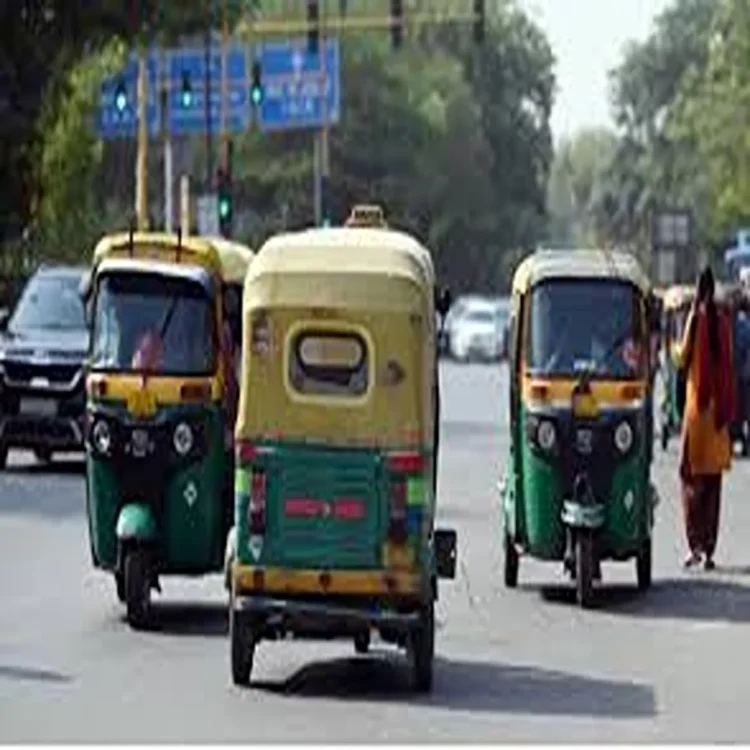
Higher Purchase Cost Worries Drivers
The price difference between conventional and electric auto-rickshaws has become a major point of concern for drivers. A CNG-powered auto currently costs around Rs 2.70 lakh, whereas electric variants are priced between Rs 3.24 lakh and Rs 3.50 lakh, depending on the manufacturer. For drivers already working with limited earnings, the additional expense of nearly Rs 80,000 is being viewed as a serious financial challenge.
Representatives of transport unions believe the added investment could discourage many drivers from adopting electric vehicles unless adequate financial support and practical solutions are introduced.
Demand for Better Charging Infrastructure
Rajinder Soni, General Secretary of the Delhi Auto Rickshaw Sangh, said the government should prioritise building sufficient charging infrastructure before enforcing large-scale adoption of electric vehicles. According to him, the union has also requested the government to approach the Supreme Court for an increase in auto-rickshaw permits, noting that the present cap of one lakh permits restricts opportunities for drivers.
Soni also recalled the difficulties experienced during the transition to CNG vehicles in the late 1990s, when long queues and shortages created major inconvenience. He expressed hope that Delhi would avoid repeating similar problems at electric charging stations if the new policy moves forward.
Worker Groups Raise Economic Questions
Labour organisations have also expressed reservations about the policy, especially regarding its impact on gig workers and individuals who rely on petrol or CNG vehicles for their daily income.
Nirmal Gorana, National Coordinator of the Gig and Platform Service Workers Union (GIPSWU), questioned whether the government had fully considered the financial realities faced by working-class citizens. He said many people spend years saving money to purchase a vehicle, and replacing it with a more expensive electric alternative may not be financially possible for everyone.
According to Gorana, delivery partners, ride-hailing workers, and others employed in the platform economy could face additional pressure if affordable transition measures are not introduced alongside the policy.
Government Defends the New Policy
The Delhi government has defended the electric vehicle initiative, describing it as an important step toward cleaner transportation and improved air quality. Transport Minister Pankaj Singh said the administration wants people to benefit from the transition and highlighted that financial incentives and discounts are being offered to encourage the purchase of electric vehicles.
He stated that the government remains committed to supporting citizens who choose to shift to electric mobility and believes the policy will contribute to long-term environmental improvements across the capital.
Political Reactions Continue
The policy has also triggered political debate. The Congress party welcomed efforts aimed at reducing pollution but questioned whether the proposal sufficiently addresses the wider environmental challenges facing Delhi. Meanwhile, the Aam Aadmi Party alleged that the Bharatiya Janata Party had largely repackaged an existing electric vehicle policy rather than introducing a completely new framework.
As discussions continue, transport workers, policymakers, and political parties remain divided over how quickly Delhi should move toward full-scale electric mobility. While there is broad agreement on the need to reduce pollution, many stakeholders believe that affordability, infrastructure, and the livelihoods of drivers should remain central to the implementation process.