
ElectoralRolls – Supreme Court Reviews Progress of Bengal Voter List Objections
ElectoralRolls – The Supreme Court on Wednesday was informed that a significant portion of objections raised during the Special Intensive Revision (SIR) of electoral rolls in West Bengal has already been resolved. According to details shared by the Chief Justice of the Calcutta High Court, approximately 47 lakh objections out of a total 60 lakh had been addressed by March 31.
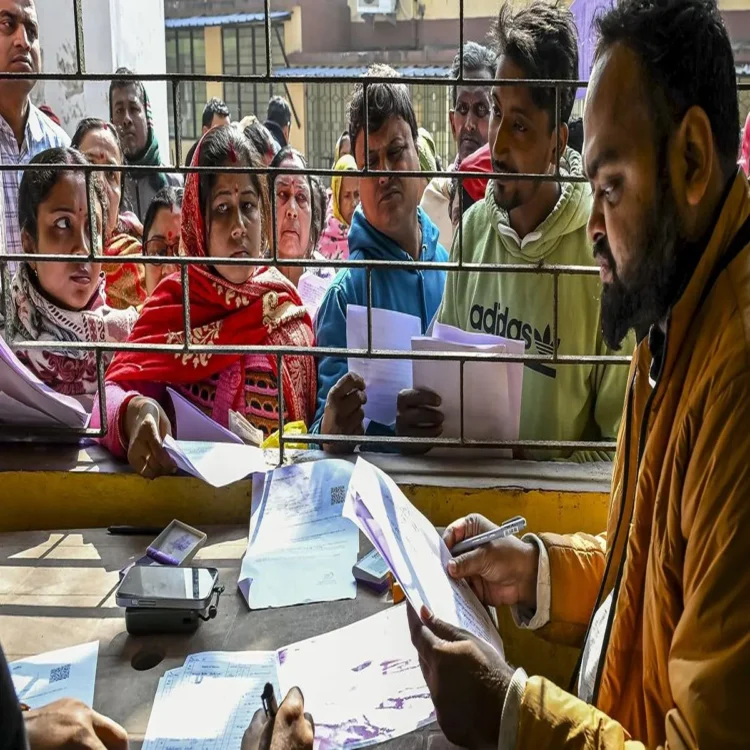
High Disposal Rate Impresses Supreme Court
A bench led by Chief Justice Surya Kant, along with Justices Joymalya Bagchi and Vipul M Pancholi, acknowledged receiving an official communication from the Calcutta High Court’s Chief Justice a day earlier. The update highlighted the pace and scale at which the objections are being handled.
The Supreme Court noted with satisfaction that the progress reflects an efficient administrative process. During the proceedings, the bench expressed optimism after reviewing the data, indicating that the exercise appears to be moving forward in a structured and timely manner.
Daily Processing of Objections
The report submitted to the apex court stated that authorities are currently resolving between 1.75 lakh and 2 lakh objections each day. This steady rate of disposal has played a crucial role in reducing the overall backlog within a short span of time.
Such figures suggest a coordinated effort by election officials and administrative bodies involved in the revision process. The court acknowledged that maintaining this pace could ensure the timely completion of the exercise without compromising scrutiny.
Deadline Set for Completion
According to the information provided, the Calcutta High Court expects all pending objections to be resolved by April 7. This timeline was shared with the Supreme Court as part of the ongoing monitoring of the revision process.
The court took note of the proposed deadline and indicated that it aligns with the need for finalizing electoral rolls ahead of any upcoming electoral activities. Ensuring accuracy in voter lists remains a key aspect of maintaining transparency in the electoral system.
Background of the Ongoing Hearing
The Supreme Court is currently hearing a batch of petitions related to the Special Intensive Revision being conducted in West Bengal. These pleas raise various concerns linked to the process, including the handling of objections and verification procedures.
The SIR exercise is a comprehensive effort aimed at updating electoral rolls by reviewing entries, removing discrepancies, and incorporating valid corrections. Given the scale of the operation, it has attracted legal scrutiny as well as public attention.
Court Continues to Monitor Developments
The hearing in the matter is still underway, with the Supreme Court closely tracking progress reports submitted by relevant authorities. The court’s observations suggest a focus on ensuring both efficiency and fairness in the revision process.
By seeking regular updates, the bench aims to ensure that all objections are addressed properly and within the stipulated timeframe. The outcome of these proceedings is expected to have a direct impact on the final electoral rolls prepared for the state.
The case underscores the importance of maintaining accurate voter records and highlights the role of judicial oversight in large-scale administrative exercises related to elections.