
Elections – One Nation One Election Plan May Reshape State Assembly Terms by 2029
Elections – The Union government’s proposal to introduce simultaneous elections across the country by 2029 could significantly alter the tenure of several state legislative assemblies, requiring major constitutional and administrative adjustments.
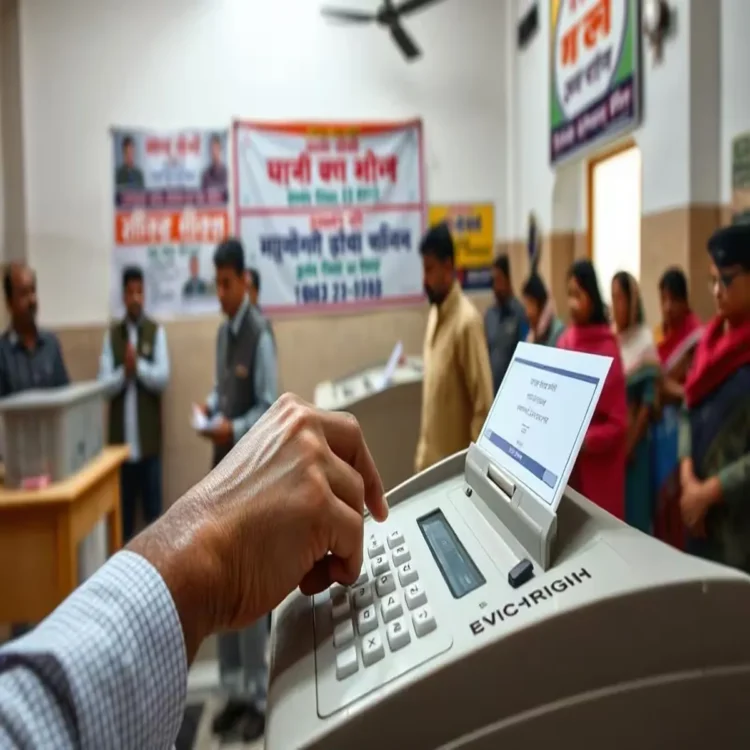
The Centre’s proposed One Nation, One Election (ONOE) framework, if implemented alongside the 2029 Lok Sabha elections, is expected to bring sweeping changes to the election calendar across India. The plan would require the tenure of several state assemblies to be either reduced, extended, or brought to an early end through a one-time transition aimed at aligning parliamentary and assembly elections. The proposal is currently under detailed examination by a Joint Parliamentary Committee, which is working on the legal and constitutional framework needed for its execution.
Parliamentary Panel Continues Work on ONOE Framework
Momentum around the ONOE proposal has increased after P. P. Chaudhary, who heads the Joint Committee of Parliament reviewing the legislation, indicated that the panel is preparing a framework that could allow simultaneous elections from 2029 onward.
According to Chaudhary, the committee is also considering whether some states could voluntarily adjust their election schedules if state governments and political parties agree. He stated that most civil society groups consulted during the review process have expressed support for the proposal, arguing that frequent elections place a significant financial and administrative burden on the country. Estimates cited during the discussions suggest repeated elections may result in economic costs running into several lakh crore rupees.
Several States Could Face Changes in Assembly Tenure
Officials familiar with the discussions said the transition would have the greatest impact on states scheduled to hold assembly elections in 2028. Under the existing system, those legislatures would normally remain in office until 2033. However, if elections are synchronized in 2029, their terms may be substantially shortened or adjusted through dissolution or extension to match the national election cycle.
States expected to be directly affected include Karnataka, Telangana, Rajasthan, Madhya Pradesh, Chhattisgarh, Himachal Pradesh, Meghalaya, Nagaland, Tripura and Mizoram, all of which are expected to conduct assembly polls in 2028.
Earlier Election Cycles Also Likely to Be Affected
The proposed changes would not be limited to assemblies elected in 2028. States going to the polls in 2027, including Uttar Pradesh, Gujarat, Punjab, Goa, Uttarakhand and Manipur, could also see their elected governments complete shorter-than-normal terms if nationwide synchronisation is introduced.
Likewise, governments formed after the 2026 elections in West Bengal, Tamil Nadu, Kerala, Assam and Puducherry may complete only around three years before fresh elections are held under the revised schedule. Delhi and Bihar, whose assembly elections fall close to the proposed transition period, could also witness reductions in their legislative terms by approximately one year.
Some States May Continue Without Major Adjustments
Not every state would require changes under the proposed system. States where assembly elections already coincide with or are scheduled close to the 2029 General Election are expected to remain largely unaffected. These include Andhra Pradesh, Arunachal Pradesh, Odisha, Sikkim, Maharashtra, Haryana, Jharkhand and Jammu and Kashmir.
Their existing election timelines are already broadly aligned with the proposed nationwide schedule, reducing the need for transitional measures.
Constitutional Amendments Form the Basis of the Proposal
The ONOE initiative is being considered through the Constitution (129th Amendment) Bill, which remains under review by the Parliamentary committee. The proposal draws heavily from recommendations submitted by the high-level committee chaired by former President Ram Nath Kovind. The Union Cabinet approved that report in September 2024, paving the way for legislative action.
Among the key recommendations are amendments to Articles 83 and 172 of the Constitution, which govern the tenure of the Lok Sabha and state legislatures, along with the insertion of a new Article 82A to establish the legal framework for synchronized elections. According to the recommendations, these constitutional amendments would not require ratification by state legislatures before coming into force