
Elections – NDA’s decisive Assam win leaves opposition searching for direction
Elections – The BJP-led National Democratic Alliance has delivered a commanding performance in Assam, significantly weakening its rivals and reshaping the state’s political landscape.
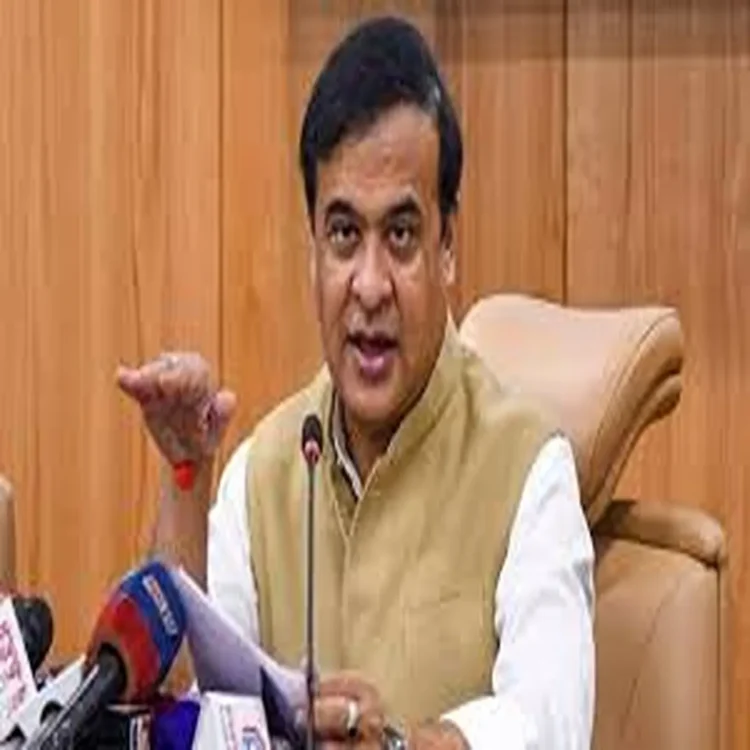
NDA achieves historic majority in Assam Assembly
The ruling alliance secured an overwhelming mandate in the 126-member Assembly, winning 102 seats. The Bharatiya Janata Party alone accounted for 82 of these, marking the first time it has crossed the majority mark independently in the state. This outcome reflects a consolidation of support that has steadily grown over recent election cycles.
Opposition alliance struggles to make impact
In contrast, the opposition alliance failed to gain traction. The Congress managed to win 19 seats, while its ally Raijor Dal secured just two. Other parties, including the Trinamool Congress and the All India United Democratic Front, contested separately and ended up with limited representation.
Political analysts suggest the fragmented performance indicates deeper structural issues within the opposition. Without a unified strategy and strong leadership, the alliance struggled to present itself as a credible alternative.
Leadership vacuum remains a major concern
Experts point out that the opposition lacks a widely accepted leader capable of mobilising voters across communities. While figures such as Gaurav Gogoi, Lurinjyoti Gogoi, and Akhil Gogoi have remained active, none have emerged as a dominant face to counter the influence of Chief Minister Himanta Biswa Sarma.
The absence of a central figure has made it difficult for the alliance to connect with voters on a broader scale, particularly in rural and semi-urban regions.
Campaign narrative tilted in favour of BJP
The BJP’s campaign strategy, built around themes of land rights, identity, and security, appears to have resonated strongly with voters. Policies such as eviction drives and measures targeting illegal immigration shaped public discourse during the election.
At the same time, opposition parties struggled to present a compelling counter-narrative. Their messaging failed to address key voter concerns in a way that could challenge the ruling party’s positioning.
Internal challenges likely to intensify
Defeats of this scale often trigger internal debates, and the opposition alliance is expected to face questions about leadership decisions, seat-sharing arrangements, and campaign execution. Differences within parties may surface, potentially leading to organisational changes or shifts in leadership roles.
Senior observers note that repeated setbacks can weaken party structures over time, reducing morale among grassroots workers and making it harder to sustain political momentum.
Changing voter dynamics and representation concerns
Another notable aspect of the results is the composition of elected representatives. A significant number of winning Congress candidates come from a single community, which may influence future political narratives and strategies.
Meanwhile, attempts by regional parties to introduce younger candidates did not translate into electoral gains, suggesting that youth appeal alone is insufficient without broader organisational support.
Future path uncertain for opposition bloc
With this being the third consecutive electoral defeat for the Congress in Assam since 2016, concerns are growing about its long-term viability in the state. Each successive election has seen a decline in its seat tally, raising questions about its ability to rebuild.
The opposition alliance now faces a critical phase. Its ability to recover will depend on addressing internal differences, refining its political messaging, and reconnecting with voters across different sections of society.
If these challenges remain unresolved, Assam’s political landscape could see further consolidation of power in favour of the NDA, leaving limited space for effective opposition in the years ahead.