
Diplomacy – India Rejects Pakistan’s Kashmir Remarks at UN Security Council Meeting
Diplomacy – India on Tuesday firmly opposed Pakistan’s reference to Jammu and Kashmir during an informal meeting linked to the United Nations Security Council (UNSC), stating that the issue falls entirely within India’s domestic jurisdiction. New Delhi described the comments as inappropriate and reiterated its long-standing position that Jammu and Kashmir remains an integral part of the country.
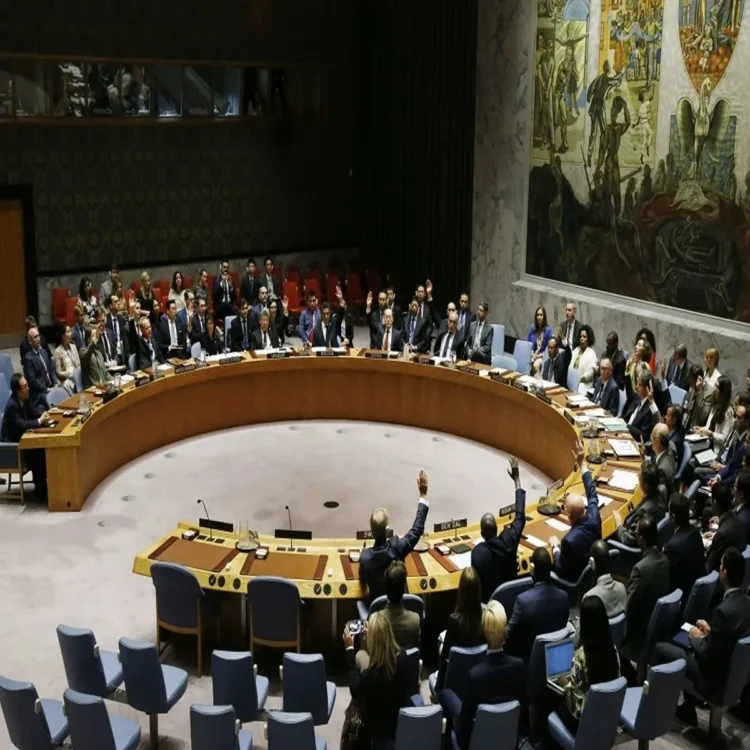
India Responds to Pakistan’s Statement
India’s Permanent Representative to the United Nations, Ambassador Parvathaneni Harish, addressed the matter during an Arria-formula meeting focused on improving the implementation of Security Council resolutions and strengthening efforts related to global peace and security. The discussion was convened by the permanent missions of Pakistan and China.
Responding to comments made during the session, Harish criticized Pakistan for introducing the Kashmir issue into the forum. He said it was surprising that a participant expected to maintain neutrality had chosen to bring political considerations into a discussion intended for broader international concerns.
According to Harish, the status of Jammu and Kashmir is not open to external debate and remains solely an internal matter for India. He emphasized that this position has consistently guided India’s approach and will continue to do so.
Pakistan Raises Kashmir During Meeting
The exchange followed remarks from Pakistan’s Permanent Representative to the UN, Ambassador Asim Iftikhar Ahmad, who referred to Jammu and Kashmir while speaking at the meeting. Pakistan is currently serving as a non-permanent member of the Security Council for the 2025–2026 term.
India has repeatedly maintained that both Jammu and Kashmir and Ladakh are inseparable parts of the nation. The government has also consistently opposed outside mediation efforts concerning Kashmir, asserting that bilateral mechanisms remain the appropriate channel for any related matters.
Focus on Security Council Responsibilities
Beyond the bilateral disagreement, Harish addressed the broader subject of the meeting by outlining the responsibilities assigned to the Security Council under the UN Charter. He noted that the charter provides different frameworks for addressing international disputes and security threats.
He explained that Chapter VII of the UN Charter deals with situations involving threats to peace, acts of aggression, or breaches of international security. Measures adopted under this chapter are designed to restore stability and can carry significant consequences if not implemented.
In contrast, Harish described Chapter VI as a framework centered on peaceful dispute resolution. It includes mechanisms such as negotiation, mediation, arbitration, inquiry, and conciliation, while also taking into account any bilateral arrangements already established by the parties involved.
Call for Reviewing Outdated Frameworks
The Indian envoy argued that conflict-resolution approaches should evolve with changing geopolitical realities. He said that mediation efforts and diplomatic frameworks cannot be treated as permanently applicable regardless of shifts in circumstances.
Harish pointed to several long-standing issues on the Security Council’s agenda as examples of why periodic reassessment is necessary. He cited the Palestine issue, noting that mediation initiatives connected to the conflict have undergone repeated adjustments over the years in response to changing developments on the ground.
According to him, assuming that older mediation structures remain suitable indefinitely would overlook the dynamic nature of international conflicts and diplomatic engagement.
India Pushes for Broader UN Reforms
India also highlighted the need for institutional reforms within the United Nations system. As member states evaluate mandates under the UN80 initiative aimed at improving effectiveness and efficiency, New Delhi argued that Security Council mandates should also be examined and updated where necessary.
The country has long advocated for reforms to the Security Council, including expansion of its permanent membership. India maintains that the current structure does not adequately represent modern geopolitical realities and the growing influence of developing nations.
New Delhi’s campaign for a permanent seat has received support from numerous countries, including several European partners and fellow members of the G4 grouping—Brazil, Germany, and Japan. At present, the Security Council comprises five permanent members—China, France, Russia, the United Kingdom, and the United States—along with ten non-permanent members elected for fixed two-year terms.