
Democracy – Historic Legislative Records from Pre-Independence Era Released in Delhi
Democracy – A significant effort to preserve India’s legislative legacy received a major boost on Thursday when Lok Sabha Speaker Om Birla formally released 89 compiled volumes documenting the proceedings of the Central Legislative Assembly from 1924 to 1930. The event was held at the Delhi Legislative Assembly and brought together senior political and parliamentary leaders. The publication is being viewed as an important contribution to safeguarding records from a crucial period in India’s democratic evolution.
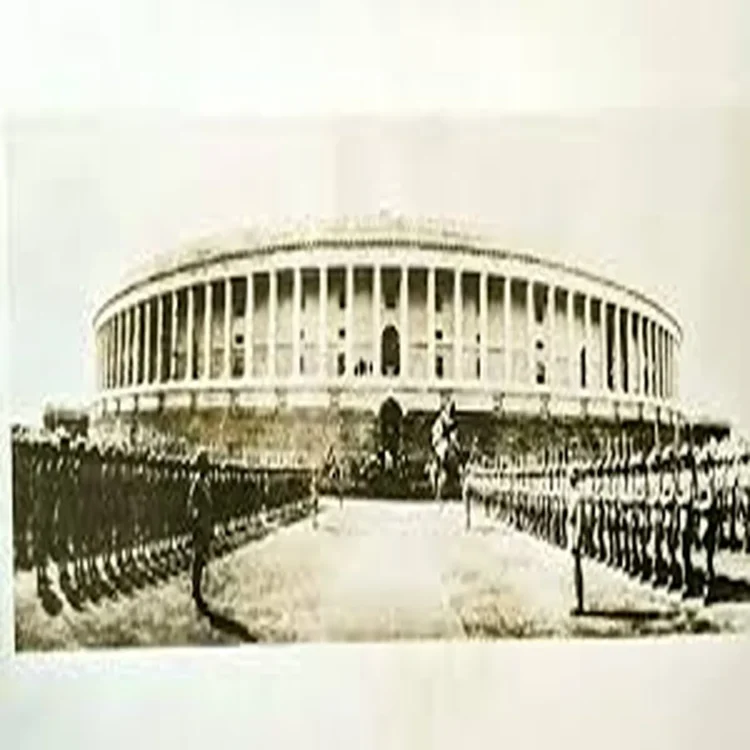
Rare Parliamentary Records Made Public
Speaking at the ceremony, Birla described the publication project as an important milestone in documenting the nation’s institutional history. He noted that the collection captures valuable debates and discussions that helped shape legislative thinking during the pre-independence period. According to him, these records will offer future generations an opportunity to understand the foundations of democratic governance and parliamentary functioning in India.
He also highlighted that young citizens, students, researchers and scholars can benefit from studying these archival documents. The compilation, he said, serves as a valuable reference for those interested in the development of democratic traditions and legislative practices.
Preserving an Important Chapter of History
Birla praised the Delhi Legislative Assembly for undertaking the systematic publication of these historical proceedings. He remarked that the initiative fills a long-standing gap in preserving legislative records that might otherwise remain inaccessible to the wider public.
The Speaker stressed that democratic systems become stronger when citizens are informed and institutions encourage meaningful discussion. He underlined the importance of evidence-based debate and active public engagement in sustaining healthy democratic practices. Maintaining and studying parliamentary archives, he added, can help strengthen democratic awareness among future generations.
Significance of the Assembly Building
During his address, Birla also reflected on the historical importance of the Delhi Legislative Assembly complex. He described the building as a lasting symbol of India’s democratic journey and political awakening. According to him, the premises witnessed several important moments during the formative years of parliamentary democracy in the country.
He noted that the structure remains closely linked to India’s freedom movement and continues to represent the values and traditions that shaped the nation’s legislative institutions. The preservation of both physical landmarks and documentary records, he said, is essential for understanding the country’s constitutional and democratic development.
Leaders Attend the Event
The programme was attended by Union Minister for Parliamentary Affairs and Minority Affairs Kiren Rijiju, Delhi Assembly Speaker Vijender Gupta, and Delhi Parliamentary Affairs Minister Parvesh Sahib Singh, among other dignitaries. Their presence underscored the significance attached to the preservation of parliamentary history and institutional memory.
The gathering focused on the importance of making historical legislative material available to researchers, students and citizens. Speakers at the event emphasized that greater access to archival records can encourage deeper understanding of democratic processes and governance.
Launch of ‘Vidhan Chetna’
Another key highlight of the event was the unveiling of the first edition of the Delhi Assembly’s magazine, “Vidhan Chetna.” The publication was launched jointly by Birla and the dignitaries present at the programme.
The magazine is expected to serve as a platform for discussions related to legislative functioning, democratic values and parliamentary traditions. Its launch complements the broader effort to promote awareness of India’s constitutional institutions and strengthen public engagement with legislative affairs.
With the release of the historical volumes and the introduction of the new publication, the Delhi Legislative Assembly has taken a notable step toward preserving and promoting India’s rich parliamentary heritage for future generations.