
ElectionRolls – Former CEC Questions Electoral Roll Revision Process and Voter Exclusion Concerns
ElectionRolls – Former Chief Election Commissioner S.Y. Quraishi has strongly criticised the ongoing Special Intensive Revision (SIR) of electoral rolls, arguing that the exercise has shifted its attention from ensuring voter inclusion to removing names from the voter list. Speaking ahead of the release of his new book India and I: A Hundred Memories, Not a Memoir, Quraishi said the current approach risks affecting the fairness of elections and raises wider concerns about India’s democratic processes.
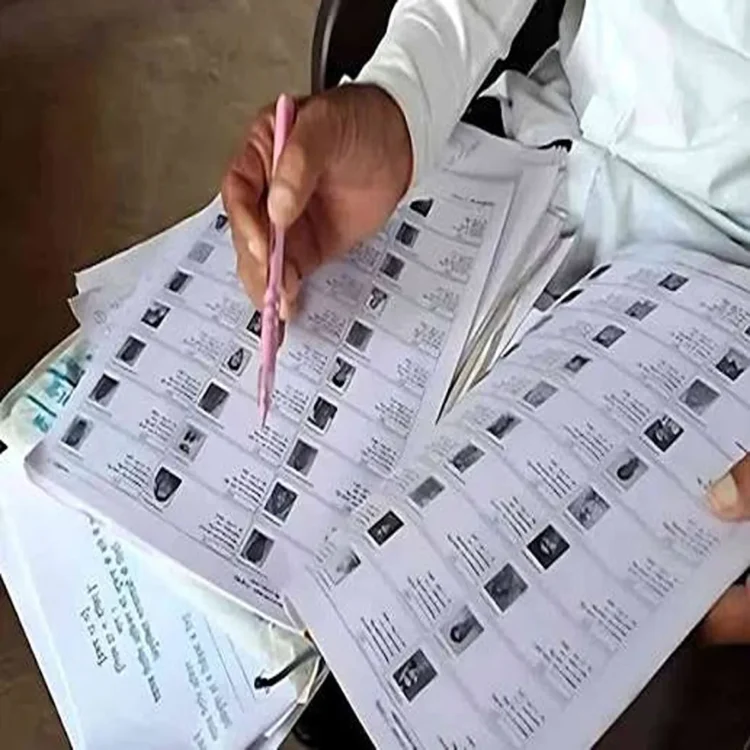
Former CEC Raises Questions Over SIR Exercise
In an interview with PTI Videos, Quraishi said the present electoral roll verification process appears to be driven by the objective of identifying and excluding voters rather than protecting every eligible citizen’s constitutional right to vote. According to him, voter registration should never be viewed as a privilege extended by the Election Commission but as a right guaranteed under the Constitution.
He maintained that the methodology adopted during the ongoing SIR differs significantly from the practices followed during his tenure as Chief Election Commissioner between 2010 and 2012.
Difference Between Earlier and Current Verification Methods
Explaining the earlier system, Quraishi said election officials were instructed to avoid removing genuine voters because of minor discrepancies such as spelling mistakes, age differences, or address-related errors. If officials could reasonably identify a person as the correct voter, they were encouraged to overlook small inaccuracies to prevent unnecessary exclusions.
He recalled that after the electoral rolls were computerised, the Election Commission decided that annual summary revisions were sufficient, making repeated intensive verification unnecessary. Under that system, Booth Level Officers (BLOs) would visit households, verify existing voter details, and update records only when additions, deletions, or corrections were required.
According to Quraishi, this process helped maintain highly accurate electoral rolls without creating unnecessary inconvenience for citizens.
Concerns Over Bihar Verification Exercise
Referring to the SIR exercise conducted in Bihar, Quraishi questioned whether the large-scale verification achieved its stated objective of identifying illegal immigrants. He claimed that nearly eight crore residents were required to complete verification procedures, while the Election Commission has not publicly disclosed the total number of foreign nationals detected through the exercise.
He said media reports had suggested that only a limited number of foreign nationals were identified, adding that if such figures are accurate, the scale of the verification exercise and the resulting difficulties faced by voters deserve careful examination.
Quraishi also expressed concern over reports that a significant number of eligible voters may have been removed during the process, arguing that electoral verification should balance accuracy with the protection of legitimate voting rights.
International Attention and Need for Response
Commenting on criticism from United Nations Special Rapporteurs regarding the electoral roll revision, Quraishi said it was unfortunate that India’s election process had attracted international scrutiny. While he stressed that election management is fundamentally a domestic responsibility, he also said that concerns raised at the global level should not be dismissed without a detailed response.
According to him, providing a transparent explanation would help address questions and reinforce confidence in India’s democratic institutions.
Objections to Additional Documentation Requirements
Quraishi also criticised the Election Commission’s requirement for new applicants submitting Form 6 to provide details relating to their parents as part of the SIR process. He argued that such requirements make voter registration more complicated for ordinary citizens.
Referring to Article 326 of the Constitution, he said every eligible citizen has the right to be enrolled as a voter, subject to the constitutional conditions laid down for eligibility. In his view, administrative procedures should facilitate voter registration rather than create additional hurdles.
Electoral Roll Revision Continues Across India
The Election Commission has launched the third phase of the Special Intensive Revision across 16 states and three Union Territories, covering more than 36 crore registered voters. The exercise is currently underway in states including Delhi, Maharashtra, Karnataka, Telangana, Punjab, Andhra Pradesh, Haryana, Uttarakhand, Odisha, Meghalaya, Tripura, Nagaland, Arunachal Pradesh, Mizoram, Sikkim, Jharkhand, along with Chandigarh and the Union Territory of Dadra and Nagar Haveli and Daman and Diu.
Earlier phases of the SIR have already been completed in Bihar, Uttar Pradesh, West Bengal, Kerala, Tamil Nadu, Rajasthan, Gujarat, Madhya Pradesh, Chhattisgarh, Goa, Puducherry, Lakshadweep, Andaman and Nicobar Islands, and several other regions as part of the nationwide electoral roll verification programme.