
DelhiBudget – Delhi Assembly Opens Budget Session With Unique Kheer Ritual
DelhiBudget – The Delhi Legislative Assembly is set to begin its Budget Session on Monday with an unusual ceremonial touch, even as opposition parties signal their intention to stay away from the proceedings. The opening day will feature a traditional ‘kheer’ ceremony, marking a first in the Assembly’s history since its establishment in 1993.
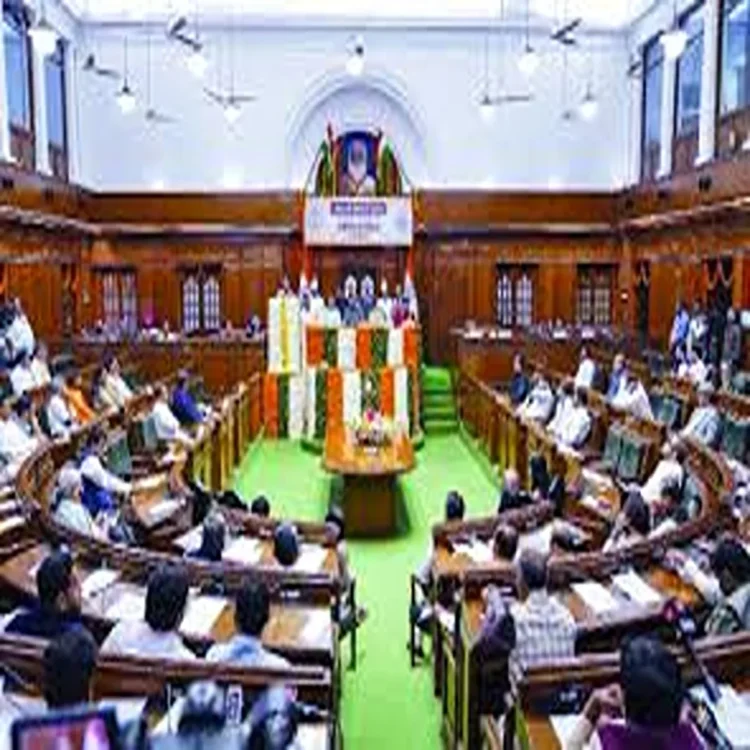
A New Tradition Marks the Start of Proceedings
Chief Minister Rekha Gupta is expected to be present at the inaugural ceremony, which introduces a cultural element rarely seen in formal legislative settings. Alongside the ceremony, she is also likely to present the Economic Survey of Delhi, offering a detailed overview of the capital’s financial performance and key economic indicators over the past year.
The introduction of the kheer ritual is being viewed as an effort to blend tradition with governance, setting a distinctive tone for the session’s commencement.
Budget Presentation Scheduled for March 24
Holding the finance portfolio as well, the Chief Minister will present her second annual budget on March 24. Her previous budget, unveiled last year, had a total outlay of Rs one lakh crore, reflecting a significant fiscal roadmap for the city’s development.
Expectations remain high regarding this year’s financial plan, particularly in areas such as infrastructure, public services, and social welfare schemes.
Key Reports to Be Tabled on Day One
The first day of the session will also include the presentation of several important reports by the Comptroller and Auditor General of India. These reports will cover a range of subjects, including Delhi’s financial management, revenue systems, and welfare initiatives aimed at children requiring special care.
Additionally, findings related to the Delhi Jal Board will be discussed, shedding light on water management and related administrative matters. Reports from the Public Accounts Committee and the Privileges Committee are also scheduled to be tabled, contributing to legislative oversight and accountability.
Members to Raise Local Concerns
As per the official agenda, Members of the Legislative Assembly will have the opportunity to raise constituency-specific issues under Rule 280. This segment is expected to highlight grassroots concerns and bring local matters into the broader policy discussion.
Such discussions often play a crucial role in shaping policy decisions and ensuring that governance remains responsive to public needs.
Preparations Focus on Smooth Functioning
Ahead of the session, Assembly Speaker Vijender Gupta conducted a detailed review of preparations to ensure seamless operations. The review covered legislative procedures, security arrangements, and technical infrastructure.
Authorities have emphasized coordination among various departments to maintain order and efficiency during the proceedings. Special attention has been given to minimizing disruptions and ensuring a structured flow of discussions.
Digital Integration Enhances Legislative Work
In a move toward modernization, tablets have been installed on the desks of Assembly members. These devices will provide instant access to official documents, reports, and live updates, reducing reliance on paper and improving efficiency.
This digital shift is expected to streamline legislative work and enable members to participate more effectively in debates and decision-making.
Cultural and Technological Additions Introduced
To reinforce the dignity of the House, the session will begin with a live rendition of ‘Vande Mataram’ performed by a noted singer, with visuals displayed inside the Assembly chamber.
Another notable development is the introduction of ‘Vidhan Sathi’, an AI-powered chatbot developed in-house. This tool is designed to assist members with legislative research, analysis of bills, and understanding policy matters, aiming to support more informed and productive discussions.
The initiative reflects a broader push to integrate technology into governance, enhancing both efficiency and accessibility within the legislative framework.