
Delhi Rainfall – Monsoon Showers Bring Excess Rain and Cleaner Air
Delhi Rainfall – Monsoon conditions in Delhi have delivered above-normal rainfall this month, while also improving air quality across the capital. However, repeated showers have caused waterlogging in several areas and slowed traffic during peak hours.
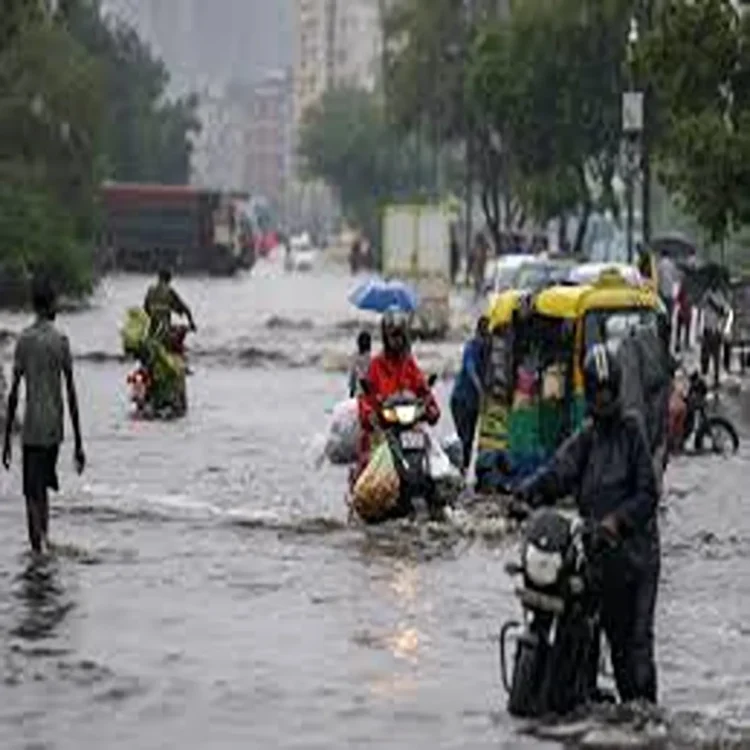
Delhi weather update and monsoon rainfall conditions –
The Ridge weather station recorded 79.1 mm of rain from July 1 to 8.30 am on July 8, according to the India Meteorological Department. This was 154% above the long-period average of 31.2 mm for the same period.
The weather office has issued a yellow alert for Thursday, warning residents of possible light to moderate rain. Skies are expected to remain generally cloudy through the day as monsoon activity continues over the region.
Rainfall Varies Across Monitoring Stations
Rainfall figures differed sharply across Delhi’s weather stations. Najafgarh received 85.5 mm of rain, followed by the Ridge at 54.3 mm and Pusa at 44.5 mm. Ayanagar reported 37.6 mm, while Mayur Vihar recorded 24.5 mm.
Other stations also received measurable rainfall during the period. Safdarjung recorded 14.2 mm, Palam 19.2 mm, Lodhi Road 17.8 mm and Rajghat 18.6 mm. The spread in rainfall reflects the uneven nature of monsoon showers across different parts of the city.
Air Quality Reaches Best Level in Over Ten Months
Alongside the wet weather, Delhi reported a notable improvement in air quality. The city’s 24-hour average Air Quality Index stood at 59 on Wednesday, placing it in the satisfactory category.
This was Delhi’s lowest AQI reading since September 4, 2025, when the index had reached 58. Rainfall can help reduce dust and suspended pollutants in the atmosphere, contributing to cleaner air conditions, although the improvement may vary depending on weather patterns and local emissions.
Day Temperatures Stay Below Seasonal Average
Persistent cloud cover and rainfall kept daytime temperatures significantly below normal at several locations. Safdarjung, Delhi’s primary weather station, recorded a maximum temperature of 30.8 degrees Celsius, which was 5.8 degrees below the seasonal average.
Palam registered a maximum of 30 degrees Celsius, 7.4 degrees below normal. Lodhi Road recorded 30.2 degrees Celsius, while the Ridge reported 29.4 degrees Celsius. Ayanagar remained the coolest among the listed stations, with a maximum temperature of 28.3 degrees Celsius, 8.3 degrees below normal.
Waterlogging and Traffic Delays Continue
While the rain brought relief from the usual July heat, it also affected daily movement in parts of Delhi. Water accumulation on roads and slow-moving traffic created difficulties for commuters, particularly in areas with poor drainage.
Authorities are likely to remain on alert as more rain is forecast. Residents travelling during the day may need to allow extra time for possible traffic disruptions and waterlogged stretches.
Monsoon Trough Linked to Ongoing Rain Spell
Mahesh Palawat, Vice President for Meteorology and Climate Change at Skymet Weather, said the current wet spell is linked to the northward movement of the seasonal monsoon trough.
The shift has supported rainfall activity over Delhi and nearby areas. Weather conditions will depend on how long the trough remains favourable for rain, with the IMD continuing to monitor developments across the National Capital Region.