
Defense – Former Army Chief stresses keeping armed forces away from politics
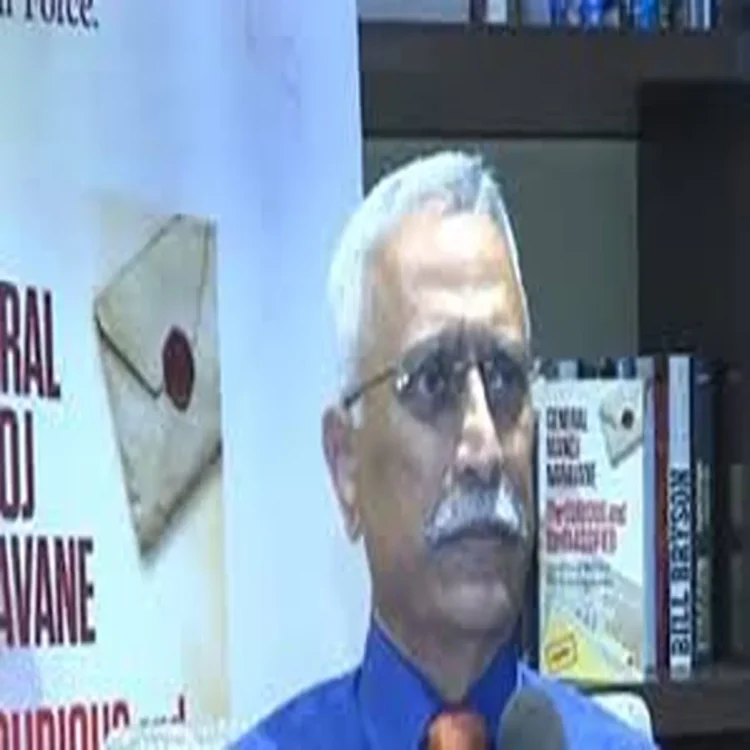
Defense – Former Indian Army Chief General Manoj Mukund Naravane has underlined the importance of maintaining a clear distance between India’s armed forces and political discourse, stating that the Army, Navy, and Air Force have consistently upheld a non-political institutional identity.
Military neutrality seen as key strength
Speaking about the role of the armed forces in a democratic framework, Naravane noted that keeping the military insulated from political influence strengthens the nation. He explained that India’s defence forces have historically avoided involvement in political matters, a practice he described as one of the country’s core strengths.
According to him, developments in various regions around the world highlight the risks of politicising military institutions. In contrast, India’s approach has ensured stability and professionalism within its defence structure. He emphasised that this long-standing tradition has contributed significantly to national resilience.
Role within democratic structure
Naravane also pointed out that the armed forces serve as one of the essential pillars supporting India’s governance system. Alongside institutions such as the judiciary and the press, the military plays a vital role in maintaining the country’s democratic balance.
He remarked that the credibility and discipline of the armed forces enhance public trust in the system. Their commitment to remaining neutral allows them to function effectively without being influenced by changing political narratives.
Distinction between institution and individual rights
While stressing institutional neutrality, Naravane clarified that individuals within the armed forces continue to enjoy full democratic rights. He said that personnel are entitled to hold personal political views and participate in elections as citizens.
However, he drew a clear distinction between personal beliefs and the official stance of the organisation. As a collective entity, the armed forces must remain strictly apolitical, ensuring that their decisions and actions are guided solely by national interest rather than political considerations.
Controversy over unpublished memoir
Earlier this year, Naravane found himself at the centre of a political controversy linked to his yet-to-be-published memoir. The issue surfaced in February when excerpts from the book were referenced during a parliamentary debate concerning the 2020 military standoff with China.
During a discussion in the Lok Sabha, Leader of Opposition Rahul Gandhi cited portions from a magazine article that reportedly included content from Naravane’s unpublished work. The reference was used to question the government’s handling of the situation.
Parliamentary tensions and objections
The remarks led to immediate objections from the ruling side. Defence Minister Rajnath Singh intervened, arguing that quoting from an unpublished and unauthenticated book was not appropriate in Parliament. Members of the treasury benches supported this position, leading to a heated exchange in the House.
The disagreement disrupted proceedings, with both sides standing firm on their positions. The episode reflected broader political tensions surrounding national security issues and parliamentary conduct.
No-confidence motion and resolution
The situation escalated further when opposition members moved a no-confidence motion against Lok Sabha Speaker Om Birla. One of the key concerns raised was the alleged restriction on Rahul Gandhi’s opportunity to present his views during the debate.
However, the motion did not progress beyond the discussion stage. It was eventually set aside after a voice vote during the second phase of the Budget Session, bringing the immediate standoff to an end.
Continuing debate on institutional boundaries
Naravane’s remarks come at a time when discussions about the role of institutions in a लोकतांत्रिक system remain active. His emphasis on separating the military from political narratives highlights an ongoing effort to preserve the credibility and professionalism of India’s defence forces.
Observers note that maintaining this balance is crucial not only for operational effectiveness but also for safeguarding democratic values. The debate underscores the importance of clear institutional boundaries in ensuring long-term stability.