
Technology – Visakhapatnam Eyes Trillion-Dollar Growth Through AI Investments by 2047
Technology – Visakhapatnam is being positioned for a major economic transformation, with Andhra Pradesh leadership outlining an ambitious roadmap to turn the coastal city into a trillion-dollar economy by 2047. The announcement was made during a technology-focused gathering that highlighted the role of artificial intelligence and digital infrastructure in shaping future industries.
Focus on AI-Led Industrial Development
Speaking at a conclave centered on artificial intelligence, state IT and Education Minister Nara Lokesh described ongoing developments as part of a larger strategy to build a robust, technology-driven industrial ecosystem. The event brought together industry leaders and policymakers to explore opportunities in emerging technologies and digital innovation.
The minister emphasized that investments currently being planned are not isolated efforts but part of a structured vision to make Visakhapatnam a leading hub for next-generation industries. He pointed out that artificial intelligence, data analytics, and digital services will play a central role in reshaping the region’s economic landscape.
Major Data Infrastructure Investment Announced
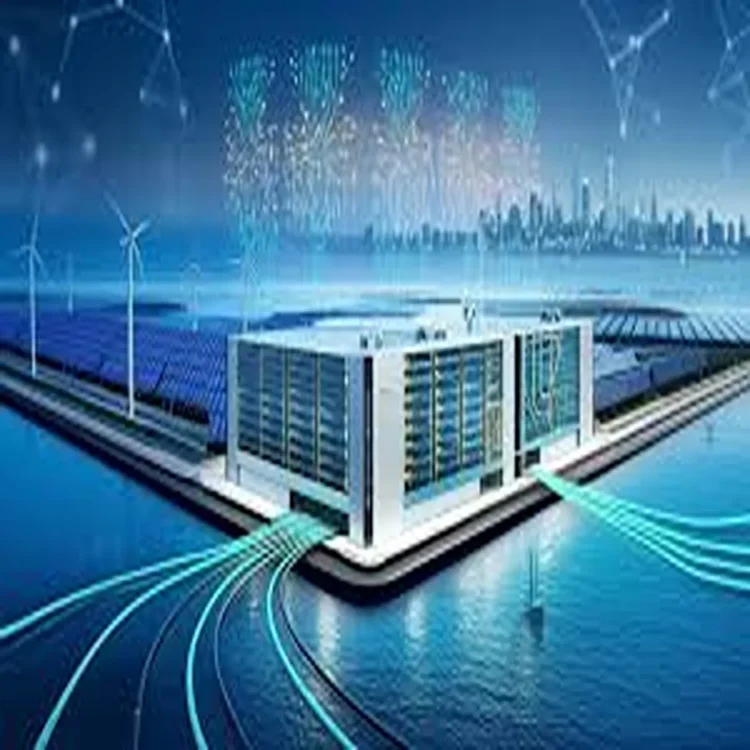
A key highlight of the discussions was the proposed establishment of a large-scale AI and data infrastructure project involving global technology players. The initiative includes plans for a one-gigawatt data centre ecosystem, backed by an estimated investment of $15 billion.
According to officials, this development is expected to significantly boost employment while also strengthening sectors linked to advanced technologies. The project aims to create a foundation for innovation by supporting businesses working in artificial intelligence, cloud computing, and high-end manufacturing.
Strengthening Global Connectivity
Visakhapatnam, long known for its maritime trade and port-based economy, is now expanding its focus toward digital connectivity. Plans are underway to enhance cable landing infrastructure, which will improve the city’s access to global data networks.
This shift is expected to position the city as a critical node in international data exchange, making it more attractive for global technology firms. Improved connectivity will also support faster data transmission and enable large-scale digital operations, which are essential for AI-driven industries.
Long-Term Vision for Multi-Sector Growth
The government’s broader strategy extends beyond technology alone. Officials outlined plans to encourage growth across a range of sectors, including clean energy, pharmaceuticals, and medical devices. The goal is to create interconnected industrial ecosystems rather than standalone projects.
By focusing on integrated development, the state aims to ensure sustainable economic expansion over the coming decade. This approach is expected to attract long-term investments and create a stable environment for innovation and industrial diversification.
Employment Generation Remains Key Priority
Job creation remains a central pillar of the state’s development agenda. Authorities have set a target of generating approximately two million employment opportunities through these combined initiatives.
The emphasis is not only on quantity but also on the quality of jobs, with a focus on skilled roles in technology, research, and advanced manufacturing. Training and education programs are expected to align with industry needs to support this transition.
Industry Participation and Collaboration
The conclave saw participation from representatives of leading technology companies, including senior executives from global cloud and AI firms. Their presence highlighted growing industry interest in the region’s development plans.
Discussions during the event focused on collaboration between government and private players to accelerate innovation and infrastructure growth. Stakeholders also explored ways to build a supportive ecosystem that encourages startups and established companies alike.
As Visakhapatnam moves forward with these initiatives, the city is gradually redefining its identity—from a traditional port hub to a future-ready digital economy centre.