
CourtCase – Delhi High Court Moves to Appoint Lawyers in Excise Policy Matter
CourtCase – The Delhi High Court on Tuesday indicated it would appoint independent senior lawyers to represent several accused in the excise policy case after key political figures declined to attend the hearing. The decision came after former Delhi Chief Minister Arvind Kejriwal, along with legislators Manish Sisodia and Durgesh Pathak, chose not to participate in the court proceedings.
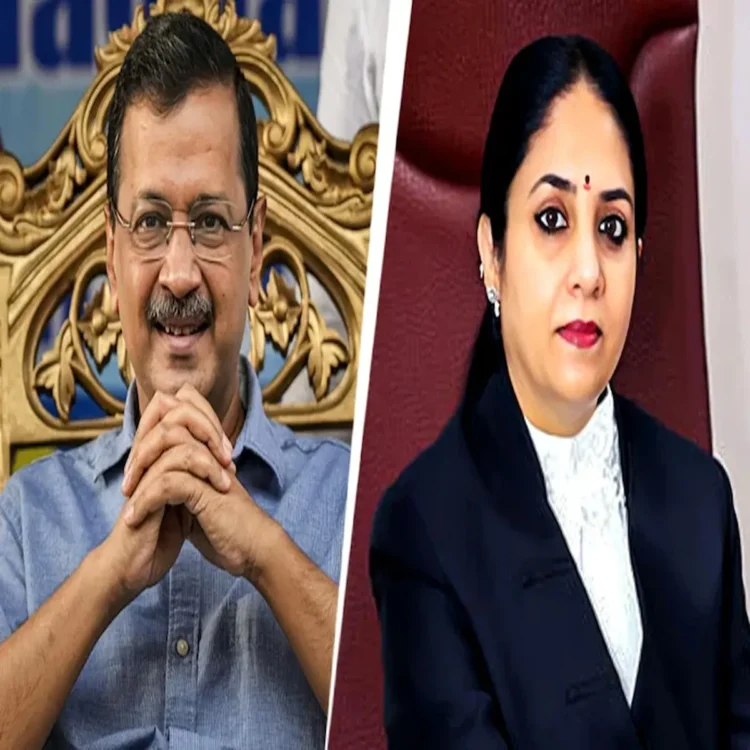
Court Plans Appointment of Independent Counsel
Justice Swarana Kanta Sharma stated that the court would designate senior advocates as amicus curiae to ensure representation for the absent respondents. The matter has been postponed until May 8, allowing time for these appointments. The court emphasized that further hearings would proceed only after proper legal representation is in place.
During the session, Solicitor General Tushar Mehta, representing the Central Bureau of Investigation, sought clarity on whether the court intended to appoint counsel specifically for the unrepresented individuals. Justice Sharma confirmed that such an arrangement would be made to maintain procedural fairness.
Boycott Follows Rejection of Recusal Plea
The absence of the accused stems from their objection to Justice Sharma presiding over the case. After their request for her withdrawal was declined earlier, they communicated their decision to abstain from proceedings, citing concerns over impartiality. In their written response, they referred to adopting a form of peaceful protest inspired by the principles associated with Mahatma Gandhi.
Justice Sharma had dismissed the recusal request on April 20, stating that judicial officers cannot step aside based on speculative or unsubstantiated claims of bias. She maintained that allowing such requests without strong grounds would undermine the judicial process.
Background of the Trial Court Decision
The developments follow a significant ruling by a lower court on February 27, which cleared Kejriwal, Sisodia, and 21 others of all charges related to the excise policy case. The trial court concluded that the prosecution’s case lacked sufficient merit and could not withstand legal scrutiny.
However, the CBI challenged this outcome before the Delhi High Court, arguing that certain findings of the trial court were flawed. The High Court subsequently issued notices to all accused individuals, indicating that aspects of the earlier judgment required closer examination.
Interim Orders and Ongoing Legal Questions
In March, Justice Sharma’s bench also paused a directive from the trial court that had recommended departmental action against the investigating officer involved in the case. The High Court observed that this aspect too needed reconsideration as part of the broader appeal.
The respondents later raised concerns about a possible conflict of interest, pointing to professional associations involving the judge’s family members and the solicitor general. This argument formed the basis of their recusal application, which was ultimately rejected.
Next Steps in the Case
With the appointment of amicus curiae expected shortly, the High Court is preparing to resume detailed hearings on the CBI’s petition. The court has indicated that it intends to proceed with the matter systematically once representation for all parties is ensured.
The case continues to draw attention due to its political and legal implications, as well as the questions it raises about judicial procedure and accountability. For now, the focus remains on ensuring that the appeal is heard in a structured and fair manner.