
Communication – Understanding the Deeper Questions Raised by Jantar Mantar Protest Reactions
Communication –Public attention has largely focused on the abusive language heard in a few viral clips from the Jantar Mantar demonstrations in Delhi. While those videos triggered widespread criticism, the larger discussion may be overlooking a more significant issue about how a generation shaped by the pandemic communicates and expresses frustration.
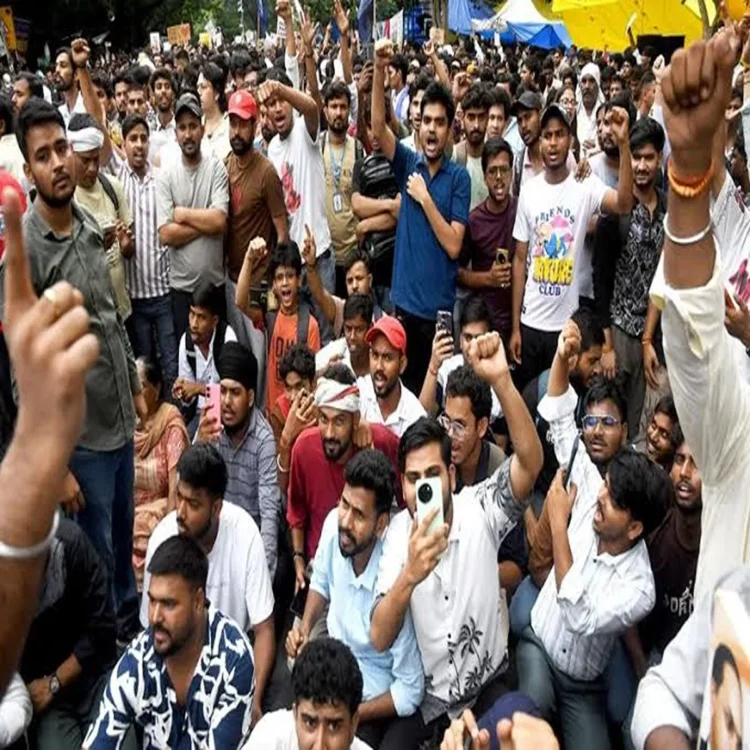
Public debate intensified after several social media videos showed a group of young protesters using offensive language while targeting the Prime Minister during demonstrations at Delhi’s Jantar Mantar. The clips spread rapidly online and prompted criticism from leaders and public figures across political lines. However, many observers believe that limiting the discussion to the language used during the protest risks ignoring deeper concerns about changing patterns of communication among young people.
Calls for Responsible Democratic Expression
A senior police officer, widely respected for his public service, stressed that democratic freedoms should always be accompanied by responsibility. He noted that the peaceful conduct and conclusion of the protest reflected the resilience of India’s democratic system. At the same time, he appealed to demonstrators to express disagreement without resorting to abusive language, saying that respectful speech does not reduce the strength or legitimacy of public protest.
Public Reactions Spark Wider Debate
Actor and Member of Parliament Kangana Ranaut also commented on the incident, referring to some of the protesters as “Generation Gutter.” She argued that certain young people expect the benefits of freedom without accepting the responsibilities that come with it. Her remarks generated significant discussion and differing opinions. Beyond the immediate controversy, the reactions have raised questions about why the language displayed in the videos appeared surprising to many public personalities, while educators say such behaviour has become increasingly familiar.
Educators Observe Lasting Pandemic Impact
Many university teachers who have worked with students entering higher education after the COVID-19 pandemic describe similar behavioural trends. Students who completed their schooling between 2020 and 2022 experienced years of disrupted classroom learning, limited social interaction, and the absence of extracurricular activities during an important stage of personal development. According to educators, these disruptions affected not only academics but also confidence, emotional maturity, and communication skills.
Digital Platforms Reshaped Social Interaction
With schools closed for long periods, smartphones and online platforms became the primary spaces for learning and social engagement. Experts say digital environments often encourage quick reactions, emotional responses, and confrontational exchanges because controversial content typically receives greater attention. As a result, many young people became accustomed to communication styles that differ significantly from face-to-face conversations, where social boundaries are generally stronger.
Behavioural Changes Seen in Colleges
Teachers report that many students initially appeared reserved and reluctant to participate in classroom discussions after returning to campuses. However, disagreements could sometimes escalate rapidly, with conversations becoming increasingly hostile. Over time, educators came to view these incidents not as isolated events but as signs of broader behavioural changes linked to the pandemic years and the influence of digital culture.
A Broader Social Challenge
The concerns extend beyond universities. Discussions around cyberbullying, mental health, juvenile crime, and growing tensions within educational institutions have highlighted wider questions about the long-term social and psychological effects of growing up during the pandemic. Despite these concerns, many experts believe there has been limited public discussion about how those formative years continue to influence young people’s behaviour.
Looking Beyond Viral Moments
The debate surrounding the Jantar Mantar protest also highlights the need to distinguish between viral online content and the overall nature of a public demonstration. Social media often amplifies the most dramatic moments, making them appear representative of an entire event. While abusive language deserves criticism, many believe it should not become the only lasting impression of the protest.
As India continues to engage with a younger generation shaped by extraordinary circumstances, the challenge lies in encouraging meaningful participation in democratic processes while promoting respectful public dialogue. Understanding the reasons behind changing communication patterns may prove just as important as condemning inappropriate behaviour.