
Cervical Myelopathy – Award-Winning Research Brings New Insights Into Spine Disorders
Cervical Myelopathy –A significant achievement in spinal research has brought international recognition to an Indian medical expert. Dr. J. Naresh Babu, Chief Spine Surgeon at Mallika Spine Centre, received the Best Paper Award at the joint annual conference of SMISS-AP, ASEAN-MISS, and the Singapore Spine Society for presenting an innovative study that offers a fresh perspective on cervical spine disorders.
International Recognition for Spine Research
The award-winning research highlights an important advancement in the understanding of cervical myelopathy, a condition that affects the spinal cord in the neck region. Dr. Naresh Babu’s study attracted attention from spine specialists and researchers by introducing a different way of explaining how the disease may worsen, even when conventional medical assessments suggest that the cervical spine remains structurally stable.
Study Explores Hidden Cause of Disease Progression
Titled Ligamentous Instability in Structurally Stable Cervical Myelopathy – A New Paradigm Shift in Understanding Disease Worsening, the research proposes that weakened or lax cervical ligaments may contribute significantly to the progression of myelopathy. According to the findings, patients can experience worsening symptoms despite the absence of obvious structural instability in standard diagnostic evaluations.
The study suggests that ligament-related instability may place additional stress on the spinal cord, providing a possible explanation for disease progression in cases where traditional imaging does not reveal major abnormalities. This approach could encourage further clinical investigation and influence future treatment strategies.
Sitting MRI Reveals Important Findings
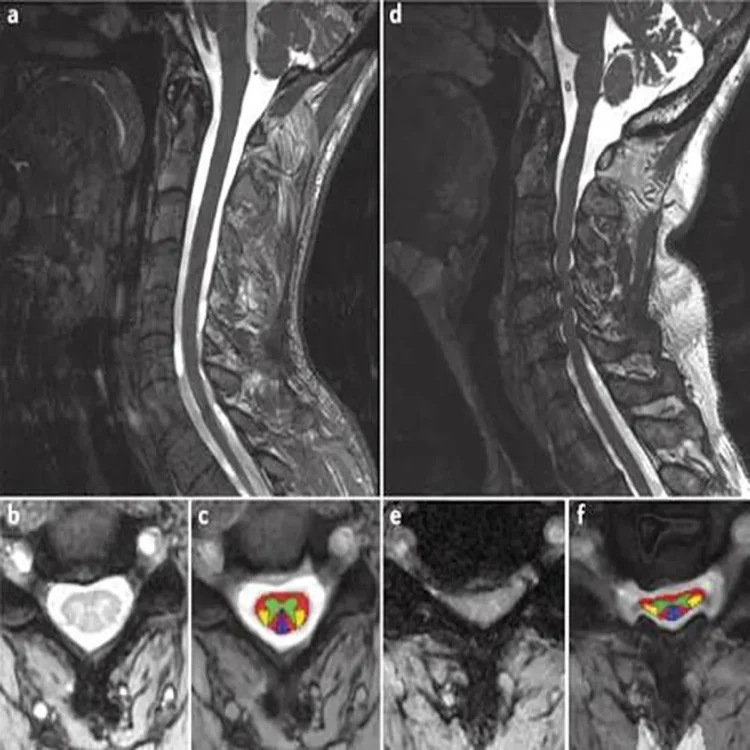
One of the key aspects of the research involved the use of Sitting MRI technology. Unlike conventional scans performed while a patient is lying down, this imaging technique evaluates the spine in a seated position, offering a more realistic view of everyday body mechanics.
The findings indicated that routine daily activities performed while sitting or maintaining an upright posture can increase pressure on the spinal cord. These observations support the theory that functional movement and posture may play a greater role in cervical myelopathy than previously understood, even when the spine appears stable in standard imaging studies.
Recognition Shared With the Medical Team
Following the announcement of the award, Dr. Naresh Babu expressed his appreciation for the collective efforts of his colleagues and dedicated the honour to the entire team at Mallika Spine Centre. He described the recognition as a proud milestone for the institution and acknowledged the contribution of everyone involved in the research.
He also noted that the international recognition reflects the centre’s ongoing commitment to advancing spine care through scientific research, clinical innovation, and evidence-based medical practice.
Contribution to Future Spine Care
The recognition received at the joint conference of SMISS-AP, ASEAN-MISS, and the Singapore Spine Society highlights the growing importance of research aimed at improving the diagnosis and management of cervical spine disorders. Experts believe that studies exploring new mechanisms behind disease progression can help shape future clinical guidelines and improve patient outcomes.
The award further strengthens Mallika Spine Centre’s standing within the global spine research community while drawing attention to the value of continued innovation in understanding complex spinal conditions.