
Cancer Screening – Dr Dangs Lab and Zydus Partner to Expand Blood-Based Cancer Detection
Cancer Screening – India is witnessing a significant advancement in cancer diagnostics with the introduction of a blood-based multi-cancer detection test aimed at identifying several cancer types at an earlier stage, when treatment is generally more effective.
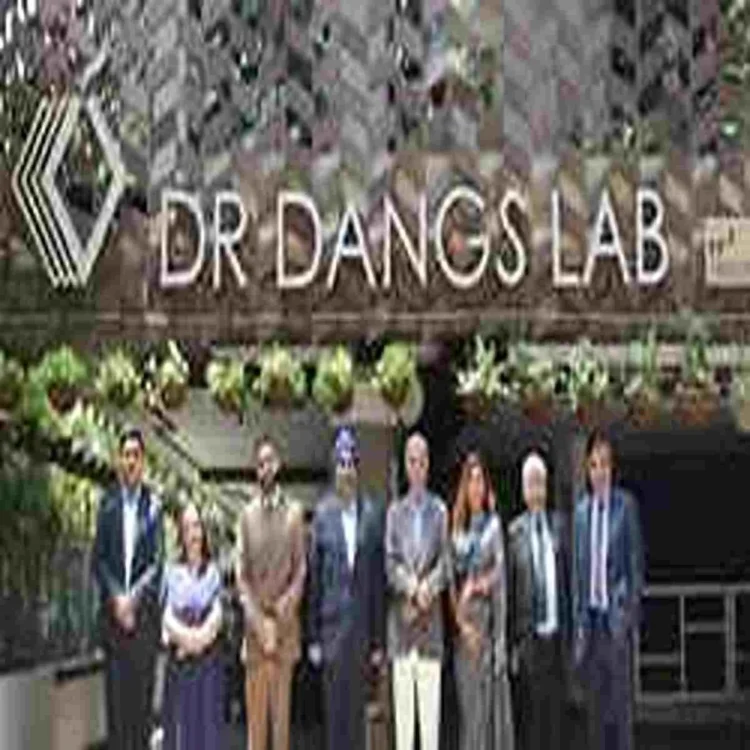
As cancer cases continue to rise across the country, Dr Dangs Lab has signed a strategic Memorandum of Understanding (MoU) with Zydus Lifesciences to introduce the Shield Multi-Cancer Detection (MCD) test in India. The blood-based screening technology has been developed by Guardant Health, a global precision oncology company, and is designed to improve access to advanced cancer screening for eligible individuals.
Rising Cancer Burden Highlights Need for Earlier Diagnosis
India’s growing cancer burden has become an increasing public health concern. According to estimates published by the Indian Council of Medical Research’s National Cancer Registry Programme in The Lancet Oncology, the number of cancer cases is expected to increase by approximately 12 to 15 percent over the coming years. Factors such as an ageing population, changing lifestyles, and environmental influences are contributing to the projected rise.
Healthcare experts have repeatedly pointed out that a large proportion of cancer cases in India are detected only after symptoms appear, often when the disease has already reached an advanced stage. This delay can reduce treatment options and affect long-term survival, making earlier diagnosis an important objective for healthcare providers.
New Blood Test Designed to Detect Multiple Cancer Types
Unlike conventional screening methods that generally focus on a single organ or cancer type, the Shield MCD test is designed to identify signals linked to multiple cancers from a single blood sample. The methylation-based technology is intended for adults aged 45 years and above who are considered to be at average risk of developing cancer.
The test aims to detect cancers including bladder, breast, colorectal, liver, lung, ovarian, pancreatic, prostate, oesophageal and gastric cancers. Developers believe this broader screening approach could help support earlier medical evaluation in suitable individuals before symptoms develop.
International Recognition Supports the Technology
Guardant Health said the Shield MCD test has received the U.S. Food and Drug Administration’s Breakthrough Device Designation for specific cancer indications after demonstrating promising performance in the National Cancer Institute’s Vanguard Study evaluating emerging multi-cancer detection technologies.
The designation is intended to accelerate the development and review of innovative medical devices and should not be interpreted as FDA approval, clearance or confirmation of the product’s safety or effectiveness.
Companies Emphasise Wider Access Across India
Simranjit Singh, Chief Executive Officer of Guardant Health AMEA, said the collaboration with Dr Dangs Lab through Zydus Lifesciences is expected to improve the availability of advanced cancer screening across India. He noted that expanding access to early detection could contribute to reducing the country’s high cancer mortality relative to the number of diagnosed cases.
Dr Arjun Dang, Chief Executive Officer of Dr Dangs Lab, described the partnership as an important milestone in bringing clinically advanced diagnostic technologies to Indian patients. He added that the laboratory’s nationwide network and home sample collection services would help make the screening test available to people across different regions.
Oncology Experts See Potential Clinical Benefits
Dr Nitesh Rohtagi, Director of Oncology at Fortis Gurugram, said the blood-based multi-cancer detection approach has the potential to support earlier diagnosis through minimally invasive liquid biopsy technology. According to him, identifying cancer at an earlier stage could allow timely treatment and improve patient outcomes across a wider population.
A spokesperson for Zydus Lifesciences stated that the company remains focused on strengthening cancer care through scientific innovation, improved access and precision diagnostics. The spokesperson said the collaboration complements the company’s existing oncology initiatives and could help clinicians make more informed treatment decisions through earlier detection.
The companies also clarified that the Shield MCD test is currently classified as a Laboratory Developed Test for export only and is not approved for sale or clinical use in the United States.