
Buddhism – Himalayan Communities Mark Sacred Tshechu Festival With Peace Prayers
Buddhism – Tibetan Buddhist monks, members of the Tibetan exile community, and devotees from several Himalayan regions gathered on Wednesday to observe the revered Tshechu festival, offering prayers focused on global peace, harmony, and human well-being.
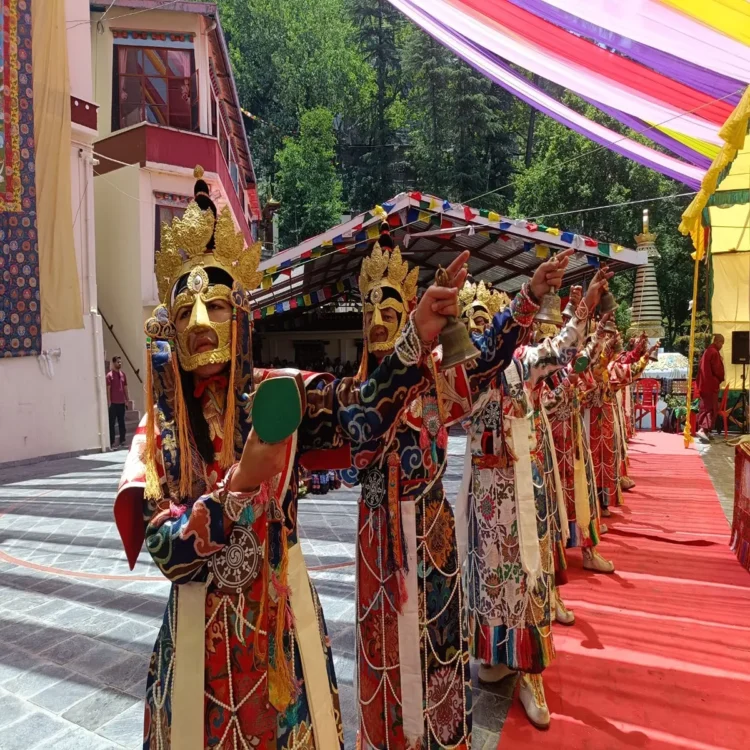
Sacred Festival Dedicated to Guru Padmasambhava
Tshechu is regarded as one of the most important festivals in Tibetan Buddhism and is devoted to Guru Padmasambhava, widely known as Guru Rinpoche. Followers believe he played a crucial role in spreading Buddhism across Tibet and the Himalayan belt centuries ago.
During the observance, monks conducted sacred rituals, prayers, and traditional ceremonies aimed at promoting spiritual balance and compassion. The event drew large numbers of devotees who participated in religious gatherings and sought blessings from senior monks.
Tibetan Buddhist monk Acharya Sedup Lodoe Zangpo said the prayers hold special significance during periods of uncertainty and hardship around the world. According to him, Guru Padmasambhava’s teachings encourage people to seek peace and spiritual guidance during difficult times.
He explained that followers believe sincere prayers offered during the festival can help bring prosperity, harmony, long life, and stability to all living beings. Zangpo also noted that the spiritual teachings associated with Guru Padmasambhava continue to inspire Buddhist communities across generations.
Importance of Saga Dawa Month
Another member of the Tibetan community, Tenzin Sangrup, highlighted the religious value of the festival as it coincides with the holy month of Saga Dawa. In Tibetan Buddhism, Saga Dawa is considered one of the most sacred periods because it commemorates the birth, enlightenment, and passing into Nirvana of Lord Buddha.
Sangrup said the Tshechu celebration falls on the tenth day of the Saga Dawa month, making the occasion especially auspicious for devotees. Throughout the day, monks performed Cham rituals, a traditional sacred dance ceremony deeply connected with Tibetan Buddhist practices.
He explained that the Cham performances are believed to offer spiritual blessings and strengthen the connection between devotees and Buddhist teachings. Local Tibetan residents and people from nearby Himalayan communities gathered in large numbers to witness the rituals and receive blessings at the monastery.
Community Gatherings Strengthen Cultural Identity
The celebrations also reflected the continued efforts of Tibetan communities in exile to preserve their cultural and religious traditions. Sangrup said festivals such as Tshechu help maintain a sense of unity among Tibetans and Himalayan Buddhists living in India.
According to him, India’s freedom to practice religion has allowed Tibetan Buddhist communities to continue their traditions openly while passing their heritage to younger generations. He added that cultural preservation remains important for keeping ancient customs and spiritual teachings alive.
Religious leaders and community members believe these gatherings provide an opportunity for young people to better understand the meaning of Tibetan Buddhist rituals and festivals. They also see such events as a way to strengthen ties between different Himalayan communities through shared faith and traditions.
Prayers Focused on Peace and Harmony
The festival took place against the backdrop of ongoing global tensions and social challenges, which many participants said made the prayers even more meaningful this year. Monks and devotees collectively prayed for peace, compassion, and stability across the world.
For many attendees, the observance was not only a religious occasion but also a reminder of the importance of spiritual unity and cultural continuity. The peaceful atmosphere, traditional ceremonies, and community participation reflected the enduring significance of Tibetan Buddhist traditions in the Himalayan region.