
Border Dispute – Nepal Reaffirms Bilateral Approach to Resolve Border Differences With India
Border Dispute – Nepal has reiterated its commitment to resolving the long-standing Kalapani, Lipulekh and Limpiyadhura border dispute with India through direct diplomatic engagement, stressing that it is not seeking mediation from any third country. The clarification was made by Nepal’s Foreign Minister Shishir Khanal during a media interaction at the Nepal Embassy in New Delhi on Sunday.
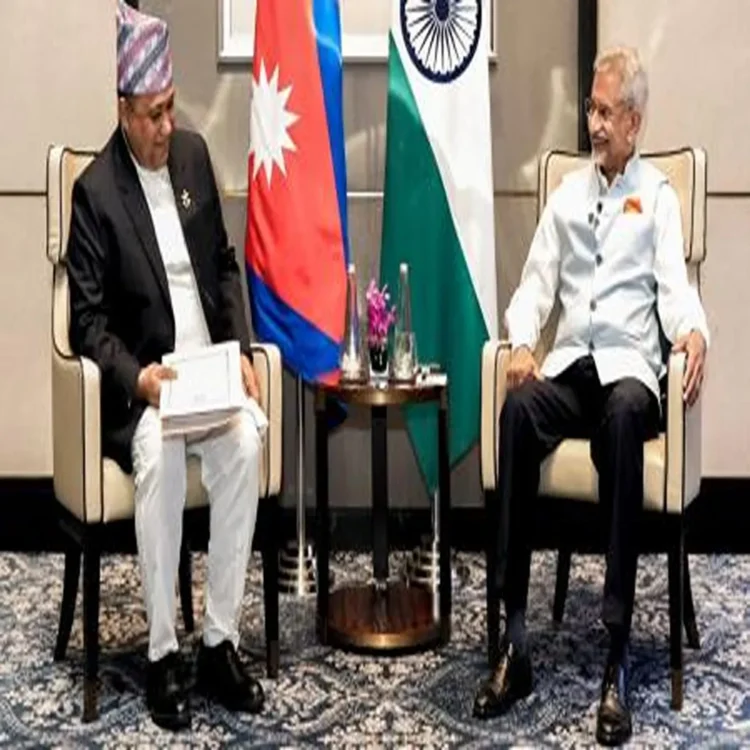
Nepal Clarifies Position on Mediation
Addressing reporters, Khanal said the government led by Prime Minister Balendra Shah remains focused on addressing the border issue through established channels of dialogue with India. He explained that Nepal’s interest in consulting historical records held abroad should not be interpreted as a request for international intervention.
According to Khanal, Kathmandu is exploring the possibility of accessing historical documents that may be preserved in libraries and museums in the United Kingdom. These records, he said, could help support Nepal’s territorial claims. However, he emphasized that Nepal’s intention is to gather historical evidence rather than involve any outside party in negotiations.
Debate Triggered by Prime Minister’s Remarks
The clarification follows comments made by Prime Minister Shah in Nepal’s Parliament earlier this week. During his address, Shah stated that Nepal had been in communication with both the United Kingdom and China regarding matters linked to the disputed tri-junction region.
His remarks sparked political discussion within Nepal and prompted a response from India’s Ministry of External Affairs. India maintained that all pending border matters between the two neighboring countries should continue to be handled through existing bilateral mechanisms, leaving no room for third-party involvement.
Shah had also argued that historical circumstances dating back to the end of British rule in the region continue to influence the dispute today, suggesting that historical records from that period remain relevant to understanding the issue.
Border Issue Returns to Spotlight
The territorial disagreement gained renewed attention in April after India announced plans to resume the Kailash-Mansarovar Yatra in 2026 through the Lipulekh Pass. Nepal has consistently maintained that the area forms part of its sovereign territory.
Khanal said Nepal had formally communicated its position to both India and China through diplomatic channels. He noted that Kathmandu’s claim over the disputed land is based on what it considers long-standing historical evidence and official records.
The minister stressed that Nepal’s stance has remained unchanged and that the government continues to present its claims through diplomatic correspondence and discussions with the concerned countries.
Government Highlights New Political Direction
During the interaction, Khanal also spoke about the political changes taking place in Nepal. He said the ruling Rastriya Swatantra Party represents a new generation of leadership and seeks to bring a different approach to governance and foreign relations.
According to him, the current administration is focused on transparency, accountability and merit-based decision-making. He stated that the government aims to strengthen Nepal’s international partnerships while moving beyond traditional political narratives that have shaped regional discussions for years.
Khanal described the party’s rise as the result of strong public support for political reform and improved governance standards.
Political Transformation After Elections
The Rastriya Swatantra Party emerged as Nepal’s leading political force following the elections held in May. The polls came after a youth-driven political movement that led to the fall of former Prime Minister KP Sharma Oli’s government amid growing public dissatisfaction over policies affecting Nepal’s digital sector in 2025.
Despite continuing differences over the border issue, Khanal expressed optimism that constructive dialogue would eventually lead to progress. He said both countries have the necessary diplomatic mechanisms in place and that peaceful discussions remain the most effective path toward a lasting solution.