
Basaveshwara – Leaders Pay Tribute on 895th Birth Anniversary at Parliament
Basaveshwara – Union Parliamentary Affairs Minister Kiren Rijiju on Monday joined several leaders in honoring the 12th-century philosopher and reformer Basaveshwara on his 895th birth anniversary. The tribute ceremony took place at Prerna Sthal within the Parliament House complex, where floral respects were offered to commemorate his enduring contribution to Indian society.
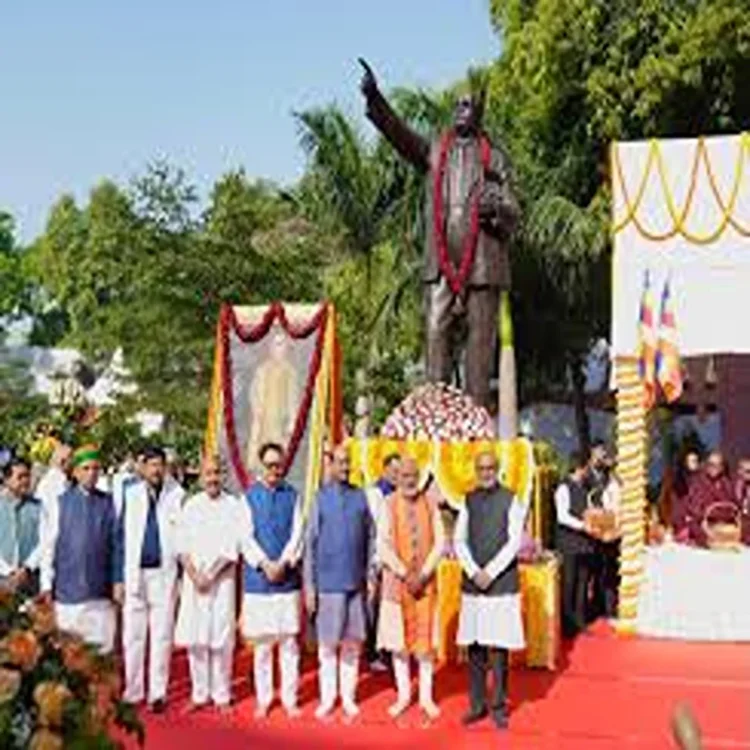
National Leaders Highlight Enduring Influence
Speaking to the media after the ceremony, Rijiju emphasized that Basaveshwara’s teachings continue to inspire people far beyond regional boundaries. He noted that while the saint holds deep significance in Karnataka, his message of equality and justice resonates across the country and even globally. According to the minister, Basaveshwara’s ideas remain timeless and continue to guide society toward inclusivity and fairness.
The gathering reflected a shared recognition among political leaders of the saint’s lasting relevance in shaping social thought and values. The tribute event also served as a reminder of the importance of preserving and promoting such reformist ideals in modern governance and public life.
Prime Minister Extends Greetings on Basava Jayanti
Earlier in the day, Prime Minister Narendra Modi conveyed his greetings on the occasion of Basava Jayanti through a message shared on social media. He paid homage to Basaveshwara, acknowledging his visionary approach to building a just and equitable society.
The Prime Minister highlighted the reformer’s dedication to empowering people and promoting ethical values. He described Basaveshwara’s teachings as a source of inspiration that continues to influence generations, particularly in the pursuit of social harmony and justice.
A Pioneer of Social Reform in Indian History
Basaveshwara, often referred to as Basavanna, is widely respected as a key figure in India’s social reform movement during the 12th century. Closely associated with the Bhakti movement devoted to Lord Shiva, he used simple yet powerful poetic expressions known as Vachanas to communicate his ideas.
Through these writings, he challenged deeply rooted social inequalities and encouraged people to adopt a more compassionate and egalitarian outlook. His teachings addressed issues such as caste discrimination, gender inequality, and rigid religious practices, which were prevalent at the time.
Advocacy for Equality and Inclusion
One of Basaveshwara’s most significant contributions was his strong stand against the caste system and social divisions. He believed in the inherent dignity of every individual and promoted the idea that spiritual connection should not be restricted by social status.
He introduced the concept of the Ishtalinga, a symbol that allowed individuals to establish a direct relationship with the divine, bypassing traditional hierarchies. This idea played a crucial role in encouraging personal devotion and spiritual independence.
Anubhava Mantapa: A Platform for Open Dialogue
Basaveshwara also established the Anubhava Mantapa, which is often regarded as one of the earliest forums for public discourse. This space brought together people from diverse backgrounds, including women, to engage in discussions on philosophical, spiritual, and social issues.
The inclusive nature of this platform marked a significant departure from the norms of the time, as it encouraged equal participation and free expression. It reflected his commitment to creating a society where dialogue and understanding could lead to meaningful change.
Lasting Legacy in Modern Times
Even centuries later, Basaveshwara is remembered as a champion of equality and social justice. His efforts to uplift marginalized communities and advocate for women’s rights continue to be recognized as groundbreaking.
The tributes paid by national leaders underline the continued relevance of his teachings in addressing present-day challenges. As India reflects on his contributions, Basaveshwara’s vision of a fair and inclusive society remains a guiding principle for many.