
ArmsExports – US Accelerates Weapons Sales Amid Push for Faster Deliveries
ArmsExports – The United States approved more than $330 billion in military equipment exports during the last fiscal year, highlighting a significant rise in international demand for American defense systems. A senior official from the State Department shared this figure while addressing lawmakers, noting that allied nations continue to rely heavily on US technology for their security needs.
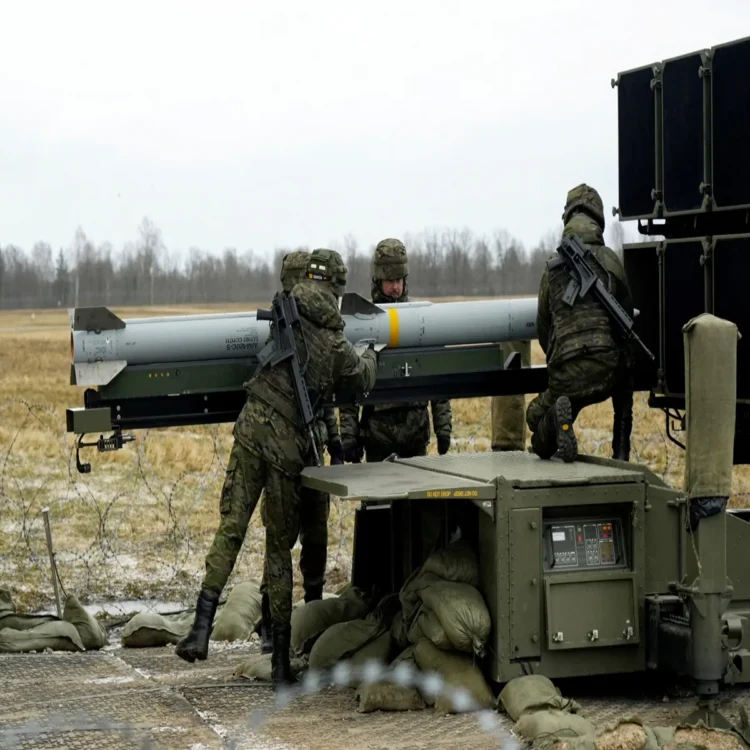
Rising Demand Reflects Strategic Partnerships
Stanley L. Brown, a senior official in the Bureau of Political-Military Affairs, told members of the House Foreign Affairs Committee that the volume of approvals underscores confidence among partner nations. According to him, countries view the United States as a dependable provider of advanced military capabilities and long-term security support.
He emphasized that this demand is not only about equipment but also about trust. Allies, he said, consider American defense systems reliable and see the US as a preferred strategic partner in an increasingly uncertain global environment.
System Struggles to Match Growing Needs
Despite the strong numbers, officials acknowledged that the existing arms transfer system is under pressure. Brown pointed out that the process has often been too slow and complex to respond effectively to urgent operational requirements. Delays in approvals and deliveries have become a growing concern, particularly as global security challenges intensify.
To address these issues, the administration has introduced several policy changes, including a revised arms transfer strategy. These measures are designed to streamline procedures, reduce bureaucratic hurdles, and ensure that defense exports align more closely with national security goals.
Concerns Over Outdated Procedures
Brown also warned that outdated congressional notification rules and procedural inefficiencies could have broader consequences. If delays persist, partner nations might turn to alternative suppliers, potentially affecting long-term military coordination and strategic alignment.
Such a shift, he noted, could weaken interoperability between US forces and allied militaries, while also altering geopolitical dynamics in sensitive regions.
Pentagon Links Exports to National Security
Mike Duffey, a senior official responsible for defense acquisitions, reinforced the need for reform. He told lawmakers that arms transfers are directly connected to the strength of the US defense industry and its military readiness.
According to Duffey, improving the efficiency of arms sales is essential not only for supporting allies but also for maintaining the country’s own industrial capacity. He explained that new agreements with defense contractors aim to boost production levels and encourage greater investment in manufacturing.
He stressed that prioritizing national interests does not mean acting in isolation, but rather strengthening partnerships through timely and effective support.
Expanding Production and Delivery Capacity
Efforts are also underway to increase the output of critical weapons systems and munitions. By simplifying regulations and encouraging private sector participation, the administration hopes to reduce delivery timelines and meet growing international demand more efficiently.
Officials noted that the Defense Security Cooperation Agency plays a central role in this process, handling over $100 billion in annual transactions and coordinating security partnerships across more than 130 US diplomatic missions worldwide.
Lawmakers Divided Over Reforms
The proposed changes have sparked debate among lawmakers. Some have supported the administration’s approach, arguing that the current system is outdated and no longer suited to modern security challenges. They believe faster approvals are necessary to ensure allies receive timely support.
Others, however, have raised concerns about reduced oversight. Critics argue that bypassing established review mechanisms could weaken accountability and limit Congress’s role in monitoring arms transfers.
There are also concerns about transparency and tracking. Some lawmakers pointed to a substantial backlog in pending sales and the absence of a unified system to monitor progress. They called for improved data management and clearer timelines to enhance efficiency.
Debate Highlights Balance Between Speed and Oversight
The discussion reflects a broader tension between the need for rapid action and the importance of maintaining checks and balances. While speeding up arms deliveries may strengthen alliances, lawmakers continue to debate how to ensure that such measures remain transparent and accountable.
As global security challenges evolve, the United States faces the task of balancing efficiency with oversight, while maintaining its position as a leading supplier of defense technology.