
Agriculture – Centre Restarts Wheat Procurement in Delhi After Years Gap
Agriculture – In a move expected to bring relief to cultivators in the national capital, the central government has agreed to resume wheat procurement in Delhi through the Food Corporation of India (FCI). The decision comes after a pause of several years and is aimed at ensuring farmers receive the Minimum Support Price while improving the overall agricultural framework in the region.
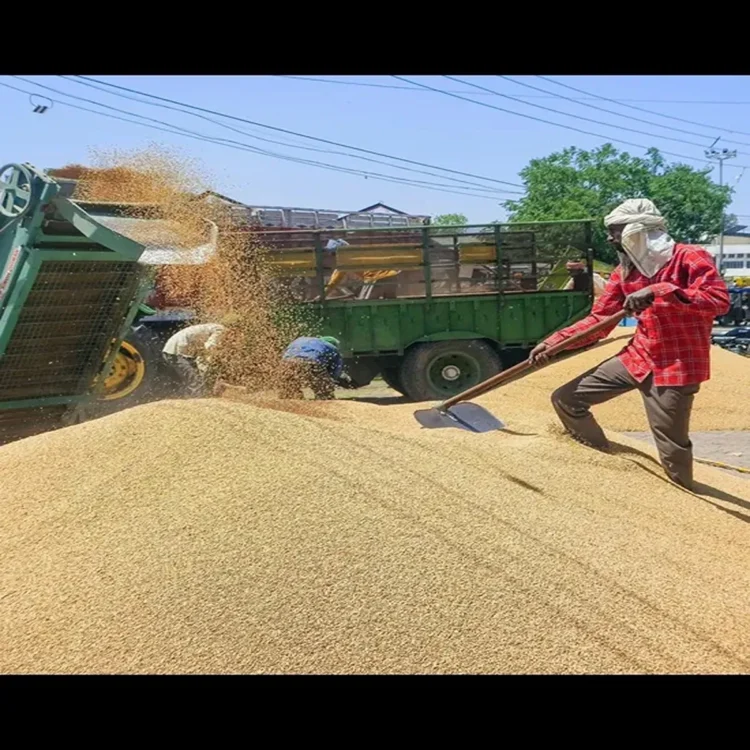
Government Responds to Farmers’ Concerns
The development follows a request from Delhi Chief Minister Rekha Gupta, who raised concerns about farmers being forced to sell their produce below the government-declared support price. In her communication to Union Minister Pralhad Joshi, she highlighted the difficulties faced by growers due to the absence of procurement operations in recent seasons.
Acting on this request, the Centre has directed the FCI to restart procurement activities for the upcoming 2026–27 rabi marketing season. Officials described the decision as a timely intervention to prevent distress sales and restore confidence among farmers.
Procurement Centres to Improve Accessibility
According to official information, procurement operations will begin on April 24 at key locations, including the Narela depot and Najafgarh mandi. These centres have been selected to ensure easier access for farmers, reducing the need for long-distance transportation of produce.
The availability of nearby procurement facilities is expected to cut down on logistical expenses and simplify the process for growers. Authorities believe this step will encourage more farmers to participate in government procurement channels instead of relying on private traders.
Strengthening the Public Distribution System
Officials have also indicated that wheat procured locally will be used to support the Public Distribution System (PDS). This approach is expected to enhance supply efficiency while reducing unnecessary movement of food grains across regions.
By sourcing wheat closer to consumption centres, the policy aims to improve storage and distribution management. It is also likely to contribute to better price stability in local markets by ensuring a steady flow of grains into the system.
Production and Farmer Participation
Delhi currently has around 29,000 hectares under wheat cultivation, producing approximately 80,000 metric tonnes annually. This output exceeds local consumption needs, resulting in a surplus that requires proper procurement mechanisms.
With the resumption of FCI operations, nearly 21,000 farmers are expected to benefit. Authorities have advised farmers to come prepared with essential documents, including Aadhaar identification, land ownership records, and bank account details, to facilitate smooth transactions.
A village-wise schedule for procurement will be announced in advance. Farmers have been urged to adhere to the schedule to avoid overcrowding and delays at procurement centres.
Ensuring Timely Payments and Transparency
The government has emphasized that payments for procured wheat will be made directly into farmers’ bank accounts. This system is designed to ensure transparency and reduce delays, allowing farmers to receive their dues promptly.
Officials noted that the use of digital payment systems would streamline the procurement process and minimize the scope for disputes. This approach is also expected to build trust among farmers and improve participation in future procurement cycles.
A Step Toward Market Stability
Experts believe the decision could play a role in stabilizing local grain markets by reducing the pressure on farmers to sell at lower prices. With a reliable procurement mechanism in place, growers may be better positioned to plan their production and manage financial risks.
The move also reflects a broader effort to strengthen agricultural support systems in urban and semi-urban regions, where farming often faces unique challenges. By bringing procurement facilities closer to producers, the government aims to create a more efficient and farmer-friendly ecosystem.