
Shipping – Iran Fires on Vessel in Strait, Heightening Regional Strain
Shipping – A container vessel navigating near Oman’s coast came under fire on Wednesday after Iran’s Revolutionary Guard reportedly opened fire in the Strait of Hormuz, a critical global shipping route. The incident has added to growing uncertainty in the region, particularly as anticipated ceasefire discussions failed to take shape.
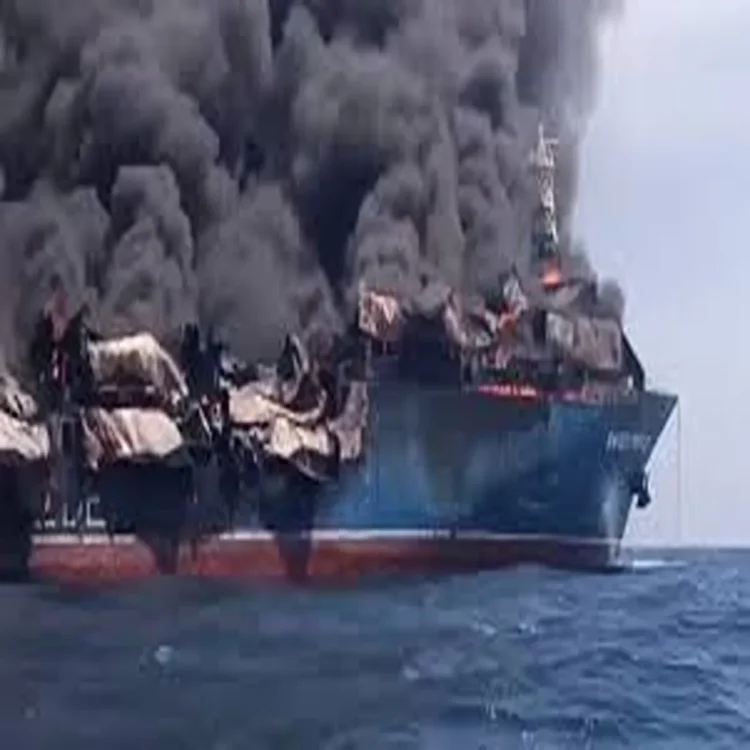
Incident Details in Strategic Waters
According to information released by the United Kingdom Maritime Trade Operations (UKMTO), the episode occurred early in the morning at approximately 7:55 am local time. The targeted ship was operating about 15 nautical miles northeast of Oman when it was approached by a gunboat linked to Iran’s Islamic Revolutionary Guard Corps (IRGC).
Officials stated that the vessel was fired upon without prior communication. The attack caused significant structural damage, particularly to the ship’s bridge. Despite the severity of the incident, all crew members were reported safe, and no environmental hazards, such as oil spills or fires, were observed.
Conflicting Narratives from Iran
Iranian authorities did not immediately issue an official statement acknowledging the attack. However, state-linked media outlets offered a different perspective. Reports suggested that the vessel had failed to comply with warnings issued by Iranian forces, prompting the use of force.
Additionally, Iranian sources described the action as part of enforcing maritime control in the Strait of Hormuz, a waterway that carries nearly one-fifth of the world’s oil supply. This framing reflects Tehran’s longstanding stance on asserting authority in the region.
Second Vessel Reportedly Targeted
In a separate development, British military sources indicated that another ship may have also been attacked in the same strategic corridor. Details about the second incident remain limited, but the report underscores increasing risks to commercial shipping in the area.
The Strait of Hormuz is considered one of the most sensitive maritime choke points globally, making any disruption there a matter of international concern.
Broader Context of Rising Tensions
The maritime incidents follow a series of confrontations involving the United States and Iran. Over the past weekend, US forces reportedly seized an Iranian-linked container ship and boarded an oil tanker connected to Iran’s petroleum trade in the Indian Ocean.
These actions appear to have intensified friction between the two countries, contributing to a fragile security environment.
Ceasefire Extension Adds Uncertainty
Amid these developments, US President Donald Trump announced an indefinite extension of a temporary ceasefire with Iran. The decision was described as an effort to provide Tehran additional time to present a unified proposal for potential negotiations.
Despite the extension, Iran has not publicly responded to the announcement. The absence of formal acknowledgment has left analysts uncertain about Tehran’s position on ongoing diplomatic efforts.
Economic Pressure and Political Messaging
In recent remarks, Trump claimed that Iran is facing severe financial strain, attributing this to restrictions affecting its ports and oil exports. He suggested that Iran is eager to reopen the Strait of Hormuz, which has faced disruptions in recent weeks.
At the same time, US authorities have maintained that the blockade of Iranian ports will remain in place, even as ceasefire conditions continue.
Uncertain Future of Peace Talks
Diplomatic efforts led by Pakistan to mediate discussions between the two sides now appear uncertain. A planned visit by US Vice President JD Vance to participate in talks was reportedly postponed, pending Iran’s submission of a formal proposal.
Earlier expectations suggested the ceasefire would expire around midnight GMT, but no immediate escalation was reported at that time. The situation remains fluid, with both military and diplomatic developments unfolding simultaneously.
Regional Stability at Risk
The latest incidents highlight the delicate balance in one of the world’s most vital maritime corridors. With commercial shipping, energy supplies, and geopolitical interests intersecting in the Strait of Hormuz, even isolated events can have far-reaching consequences.
As of now, the lack of clear communication between key stakeholders continues to raise concerns about the potential for further escalation.