
Wildlife – Tiger Death in Panna Reserve Raises Questions on Monitoring
Wildlife – The discovery of a decomposed tiger carcass inside Madhya Pradesh’s Panna Tiger Reserve has once again brought attention to gaps in wildlife monitoring and protection systems.
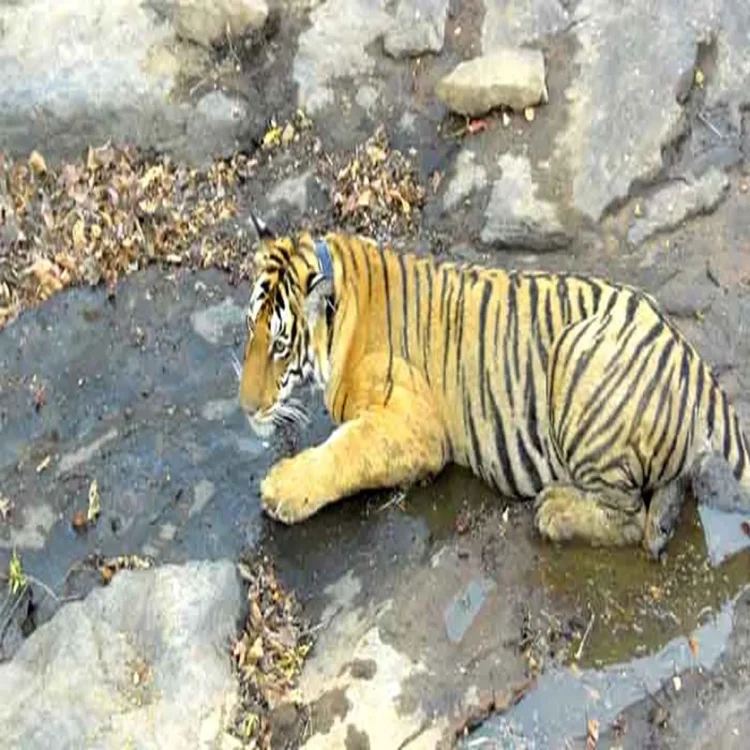
The remains of the big cat were found earlier this week in the Gangau Wildlife Sanctuary area of the reserve, reportedly by a local villager who had gone to collect Mahua flowers. By the time the carcass was located, it had already decomposed into skeletal remains, suggesting the animal had died nearly three to four weeks earlier.
Delayed Detection Raises Serious Concerns
The delayed discovery has sparked concern among wildlife experts and former forest officials, as it points to possible shortcomings in routine patrolling. The remains were located just 100 to 200 meters away from a main road in the Kataria forest beat, an area that is expected to be under regular surveillance.
Experts believe that such a delay in spotting the carcass raises questions about how effectively patrol teams are monitoring sensitive zones within the reserve. Given the proximity to a commonly accessed route, the absence of timely detection has become a matter of concern for conservation authorities.
Investigation Underway to Determine Cause
Following the discovery, officials from the reserve, including veterinary teams, reached the site to begin initial assessments. According to authorities, the State Tiger Strike Force, a specialized unit dealing with wildlife crime investigations, has also joined the inquiry.
Preliminary observations indicate that the tiger may have been a young adult male, estimated to be between three and five years old. Officials have stated that most of the key body parts were found intact, which reduces the likelihood of poaching. However, they have emphasized that only a detailed forensic analysis can confirm the exact cause of death.
The identification of the tiger, including its unique number assigned under monitoring systems, is also part of the ongoing investigation.
A Reserve with a Troubled Past
The incident has revived memories of a difficult period in Panna Tiger Reserve’s history. Around 2008–09, the reserve had lost its entire tiger population due to widespread poaching and administrative lapses. Organized poaching networks had taken advantage of weak protection measures, leading to local extinction.
Since then, significant efforts have been made to reintroduce and rebuild the tiger population through relocation and improved conservation strategies. Over the years, Panna has been regarded as a success story in wildlife recovery, making the recent incident particularly concerning for conservationists.
Rising Tiger Deaths in the State
This latest case also contributes to a growing number of tiger deaths reported in Madhya Pradesh this year. The state, often referred to as the “Tiger State” due to its large population of big cats, has already recorded multiple fatalities since the beginning of the year.
The first such incident in 2026 was reported in early January in the Bandhavgarh Tiger Reserve. With this recent case from Panna, the total number of tiger deaths in the state has reached 20, prompting calls for stricter monitoring and improved response mechanisms.
Need for Strengthened Monitoring Systems
Wildlife experts have stressed that consistent and efficient patrolling remains critical to ensuring the safety of tigers and other species in protected areas. The delayed detection in this case highlights the importance of real-time monitoring tools, better coordination among field staff, and accountability within protection systems.
As investigations continue, authorities are expected to review existing patrolling strategies and address any identified gaps. The outcome of the forensic analysis will play a key role in determining further action and ensuring that similar incidents can be prevented in the future.