
Craftsmanship – Jaipur Meenakari Art Preserves Heritage in Modern Era
Craftsmanship – In Jaipur, an age-old artistic tradition continues to flourish, combining vivid colours with meticulous detailing while adapting to the tastes of a changing world.
A Legacy Rooted in Skill and Emotion
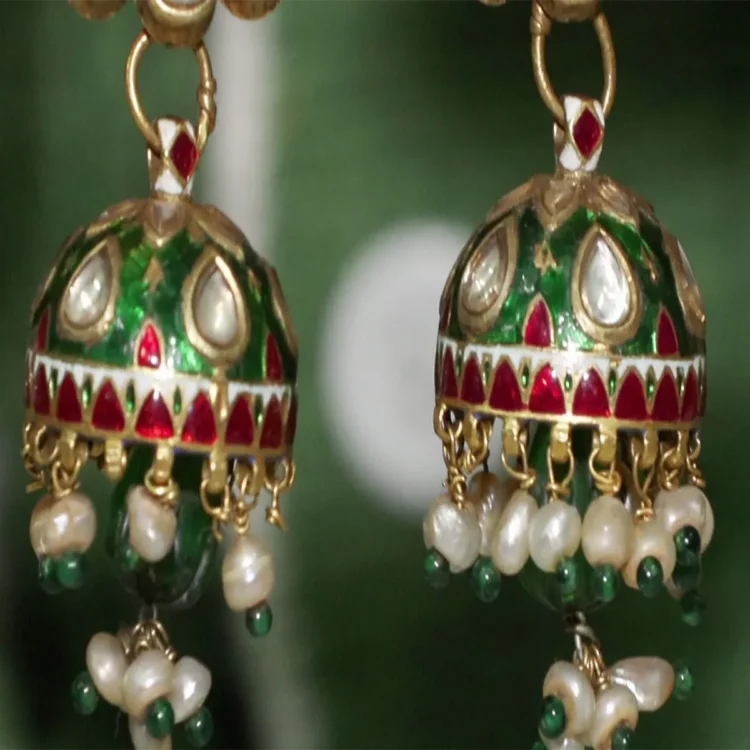
Meenakari, a centuries-old decorative technique, remains deeply embedded in Jaipur’s cultural identity. For artisans like Kamal Kumar Asat, the craft goes far beyond ornamentation. He describes it as a form of emotional expression shaped on metal surfaces. Each stroke and shade reflects not only technical expertise but also a deep connection to heritage.
According to Asat, the process demands unwavering patience and accuracy. Every design is carefully drawn, and each colour is applied with precision, ensuring that the final piece reflects both tradition and artistic discipline.
Generational Knowledge Keeps the Craft Alive
The survival of Meenakari largely depends on families who have preserved the practice over generations. In workshops across Jaipur, it is common to see parents working alongside their children, passing on skills that cannot be learned overnight.
Asat’s daughters are now actively involved in the craft, contributing fresh ideas while respecting traditional techniques. Together, they work on intricate patterns, blending inherited knowledge with contemporary creativity. This intergenerational exchange ensures that the art form continues to evolve without losing its original essence.
Adapting to Changing Times
Younger artisans are playing a crucial role in bringing Meenakari to a wider audience. Gargi Asat believes that while it is important to honour the past, it is equally necessary to embrace new opportunities. She notes that digital platforms have opened doors for artisans, allowing them to showcase their work beyond local markets.
Her sister, Khyati, highlights how online visibility has transformed the reach of this traditional craft. What was once confined to small workshops and regional buyers is now accessible to people across different countries. This shift has not only increased awareness but also created new avenues for business and appreciation.
A Collaborative Artistic Process
Creating a single Meenakari piece involves multiple skilled professionals, each contributing their expertise. The process begins with a goldsmith who prepares the metal base. An enamel specialist then fills the engraved patterns with vibrant colours. Finally, a polisher enhances the surface, giving it a refined finish.
This collaborative effort ensures that every piece meets high standards of craftsmanship. As artisans explain, the time-intensive nature of the work is what makes each item distinctive and valuable. No two pieces are exactly alike, reflecting the individuality of the hands that create them.
From Royal Patronage to Global Appeal
Historically, Meenakari was closely associated with royal courts and temple decorations, symbolising elegance and prestige. Today, it continues to hold cultural significance while gaining attention on international platforms.
The intricate detailing and rich colour combinations have attracted collectors and designers worldwide. Despite modern influences, the core techniques remain unchanged, preserving the authenticity of the craft.
A Living Heritage of Jaipur
Meenakari is more than just a decorative art; it represents a living tradition carried forward by dedicated artisans. In Jaipur, often referred to as the Pink City, each handcrafted piece tells a story of continuity, resilience, and innovation.
As the craft adapts to modern demands while staying true to its roots, it demonstrates how tradition can coexist with change. The enduring appeal of Meenakari lies in its ability to connect the past with the present, ensuring that its brilliance continues to shine for generations to come.