
CourtVerdict – Delhi Court Postpones Sentencing Hearing in Ankit Sharma Murder Case
CourtVerdict – A Delhi court has postponed the sentencing hearing for former AAP councillor Tahir Hussain and four other convicts in the murder of Intelligence Bureau officer Ankit Sharma, allowing the defence additional time to present its arguments.
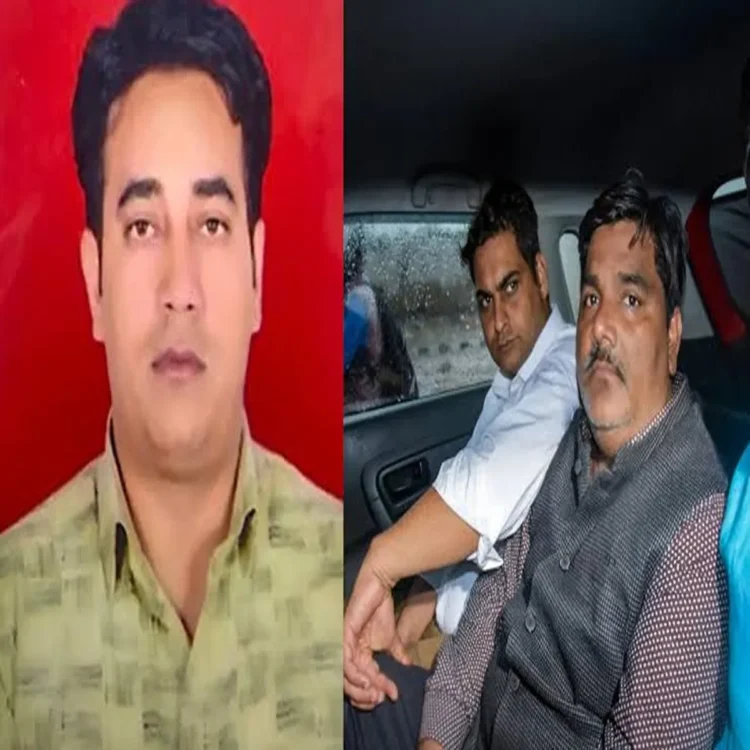
A Delhi court on Thursday deferred the hearing on the quantum of sentence for former Aam Aadmi Party councillor Tahir Hussain and four other convicts in the Ankit Sharma murder case until July 27. The decision came after the defence requested more time to prepare submissions at the crucial sentencing stage. Additional Sessions Judge Praveen Singh accepted the plea after initially expressing reservations about delaying the proceedings.
Court Balances Timely Justice and Fair Opportunity
During the hearing, the judge pointed out that legal principles discourage keeping a convicted person uncertain about the punishment for an extended period. He observed that sentencing should follow conviction without unnecessary delay, as prolonged uncertainty is not considered appropriate under established judicial practice.
Despite these observations, the defence team, represented by advocates Rajiv Mohan and Tara Narula, argued that the sentencing phase carries serious legal consequences and requires careful preparation. They requested adequate time to ensure that all relevant submissions could be properly placed before the court.
Defence Granted Additional Time
The court first declined the request and instructed both sides to proceed with their arguments. However, moments before the prosecution was scheduled to begin its submissions, the judge reconsidered the matter.
Explaining the decision, the court stated that refusing the request could create an impression that the proceedings were being rushed, potentially denying the convicts a full opportunity to present their case. In view of this, the hearing was adjourned and the defence was directed to submit affidavits detailing the socio-economic background of each convict before the next date of hearing.
Conviction in the 2020 Delhi Riots Case
Earlier this month, on July 13, the court found Tahir Hussain and four co-accused guilty in the murder of Intelligence Bureau officer Ankit Sharma, whose death occurred during the northeast Delhi riots in 2020. According to the prosecution’s case, Sharma was allegedly attacked by a violent mob, and his body was later recovered from a nearby drain.
The judgment concluded that Hussain was part of an armed unlawful assembly that had gathered with the intention of carrying out rioting, arson and looting. The court further held that Sharma was subjected to a brutal assault that ultimately resulted in his death.
Court’s Findings on the Unlawful Assembly
In its detailed verdict, the court observed that the prosecution had successfully established that members of the unlawful assembly were aware that their actions could result in the loss of human life. The judgment stated that those involved shared a common objective, making them collectively responsible for the fatal outcome under the applicable provisions of law.
The court’s findings formed the basis for holding all the convicted individuals accountable for the offences committed during the incident.
Charges Against Tahir Hussain
Tahir Hussain was convicted under several provisions of the Indian Penal Code, including charges related to murder, kidnapping with wrongful confinement, rioting, rioting while armed with deadly weapons, promoting enmity between groups, disobeying lawful orders issued by a public servant, and offences committed as part of an unlawful assembly.
With the sentencing hearing now scheduled for July 27, the court is expected to hear detailed submissions from both the prosecution and the defence before determining the punishment for the convicted individuals.