
Elections – Yogi Adityanath Signals Political Shift in West Bengal Campaign
Elections – Uttar Pradesh Chief Minister Yogi Adityanath on Wednesday highlighted West Bengal’s rich historical and cultural heritage while expressing strong confidence in the Bharatiya Janata Party’s chances in the upcoming Assembly elections. Addressing a public gathering, he described the moment as significant for the state’s political direction and future leadership.
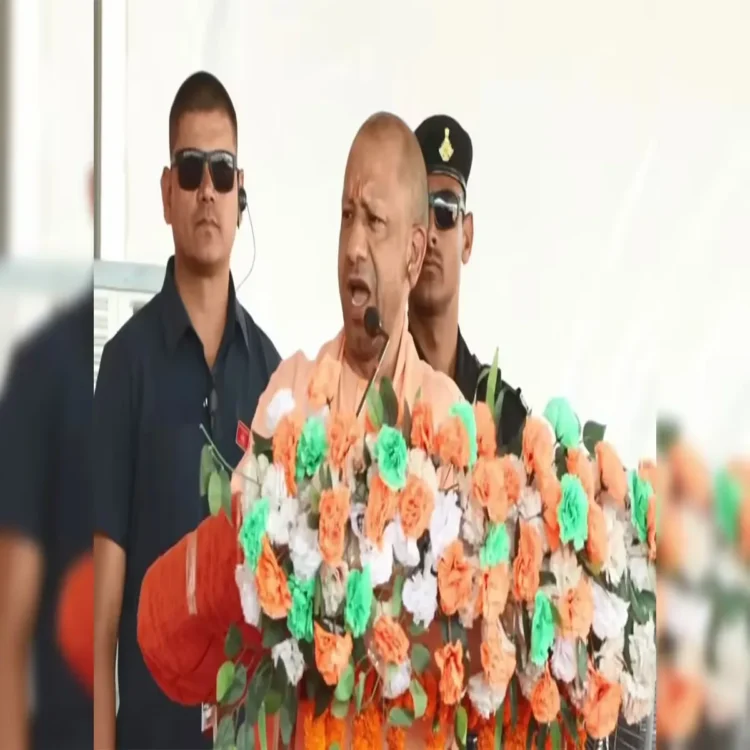
Rally Marked as Beginning of Political Change
Speaking at the rally, Adityanath referred to the event as a defining moment that could reshape the state’s political landscape. He underlined Bengal’s historical contribution to India’s identity, noting that the region has long been associated with bravery, culture, and intellectual legacy. According to him, the current political climate reflects a struggle within the state to rediscover and reaffirm that identity.
He also commended attendees for participating despite difficult weather conditions, adding that their presence symbolised commitment and resilience. The Chief Minister linked this turnout to the legacy of Bengal’s past heroes and reformers, portraying it as a continuation of that spirit in contemporary politics.
Allegations of Disruption by Rival Party Workers
During his address, Adityanath alleged that workers of the ruling Trinamool Congress attempted to interfere with preparations for the rally. He claimed that individuals involved in organising logistical arrangements, such as tents and shelters, faced intimidation. Despite these challenges, he said, party supporters remained steadfast and ensured the event proceeded as planned.
These allegations add to the ongoing political tension between major parties in the state, particularly as election activities intensify. However, no independent verification of these claims was immediately available.
BJP Expresses Confidence in Electoral Prospects
Adityanath voiced strong optimism about the BJP’s performance, specifically mentioning candidate Prabhakar Pandit. He stated that the party expects widespread support across constituencies in the Howrah district, suggesting that the upcoming elections could lead to a significant shift in governance.
He framed this anticipated outcome as part of a broader transformation, indicating that the party views the elections as an opportunity to establish a new political phase in the state.
Criticism of Opposition Leaders
The Uttar Pradesh Chief Minister also directed criticism toward several leaders from the Trinamool Congress. Referring to remarks allegedly made by Kolkata’s mayor, he asserted that linguistic and cultural identity should remain rooted in Bengal’s traditions. He emphasised the importance of preserving the Bengali language and culture as central to the state’s character.
In a separate remark, he responded to comments attributed to a Trinamool Congress Member of Parliament, stating that local cultural and spiritual traditions continue to hold strong significance among the people of Bengal. His comments reflected an attempt to align political messaging with regional identity and heritage.
Two-Phase Polling Schedule Announced
The Election Commission of India has scheduled polling for the 294-member West Bengal Assembly in two phases. The first phase will cover 152 constituencies, while the remaining 142 seats will go to polls in the second phase. Vote counting is set to take place on May 4.
The election is expected to witness a closely contested battle between the incumbent Trinamool Congress, aiming for another term in office, and the BJP, which is seeking to expand its presence after a strong performance in previous elections.
High-Stakes Contest Shapes State’s Political Future
With both parties intensifying their campaigns, West Bengal is set for a high-stakes electoral contest. Political leaders are focusing on issues of governance, identity, and development as they seek to connect with voters across the state. The outcome of the election is likely to play a crucial role in determining the region’s political trajectory in the coming years.