
Belpatra – Traditional Guidelines Explain the Right Time to Collect Sacred Bael Leaves for Shiva Worship
Belpatra –Belpatra holds a special place in Hindu traditions associated with Lord Shiva. The sacred leaves are regarded as an essential offering during Shiva worship, and several religious customs outline when they should be collected and how they should be offered with devotion.
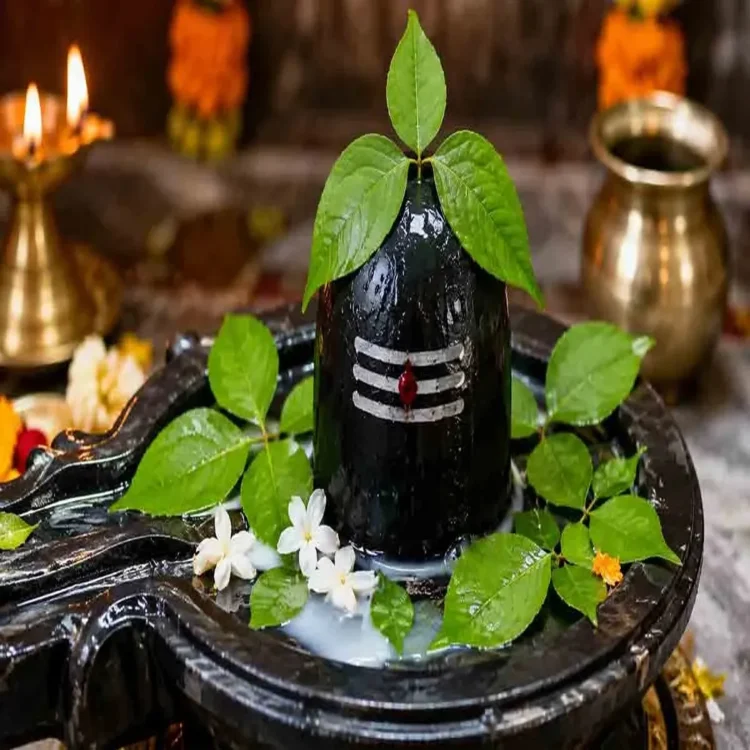
Belpatra, the leaves of the Bael tree, are considered one of the most important offerings in the worship of Lord Shiva. According to Hindu beliefs, offering the three-leaf cluster on the Shiv Lingam is an integral part of many Shiva rituals. While most devotees are aware of its religious significance, traditional scriptures and customs also describe specific guidelines regarding the appropriate time for plucking these sacred leaves.
Religious Importance of Belpatra
In Hindu tradition, the three connected leaflets of Belpatra are believed to represent Lord Shiva’s three eyes or the divine powers of creation, preservation, and destruction. Offering fresh Belpatra during prayers is considered an expression of devotion and is believed to invite blessings for health, prosperity, and overall well-being. The practice becomes especially common during the holy month of Sawan and on festivals dedicated to Lord Shiva.
Days When Plucking Belpatra Is Traditionally Avoided
Religious traditions advise devotees not to collect Belpatra leaves on certain days considered spiritually significant. According to these beliefs, the leaves should not be plucked on Mondays, Chaturthi, Ashtami, Navami, Chaturdashi, Amavasya, and Sankranti.
Since Monday is regarded as the most auspicious day for Lord Shiva worship, devotees intending to offer fresh Belpatra on that day are generally encouraged to collect the leaves beforehand on a suitable date.
Can Earlier Collected Leaves Be Used?
Traditional beliefs state that Belpatra does not lose its religious purity after being plucked. If the leaves have been collected on an appropriate day and preserved properly, they may be gently washed with clean water before being offered during worship. For this reason, many devotees gather Belpatra in advance, particularly before Mondays or major Shiva festivals, making it easier to perform rituals without violating customary practices.
Traditional Practices While Collecting Belpatra
Hindu customs also recommend observing certain practices while gathering Belpatra from the tree. Devotees are encouraged to bathe before collecting the leaves whenever possible and offer a respectful prayer to the Bael tree before plucking them.
Fresh green leaves with all three leaflets joined together are generally preferred for worship. Leaves that are torn, damaged, dry, or affected by insects are usually avoided. Religious traditions also advise against shaking branches forcefully or causing unnecessary harm to the tree. Collecting only the required number of leaves is viewed as a gesture of respect toward nature as well as the sacred tree itself.
Proper Way to Offer Belpatra During Worship
Before placing Belpatra on the Shiv Lingam, devotees usually wash the leaves with clean water. In many traditions, the smooth side of the leaf is placed facing the Shiv Lingam, although practices may differ across various regions and communities.
Religious scholars note that customs can vary from one tradition to another, but the central principle remains unchanged. Sincerity, faith, and devotion are regarded as the most important aspects of Lord Shiva worship, regardless of minor regional differences in ritual practices.