
WarPowers – US Administration Defends Iran Conflict Stance Amid Legal Debate
WarPowers – The United States administration has put forward a new interpretation of its military engagement with Iran, arguing that the conflict has effectively concluded following a ceasefire that took effect in early April. This position, if accepted, could allow the government to bypass the requirement of seeking formal approval from Congress under existing war powers legislation.
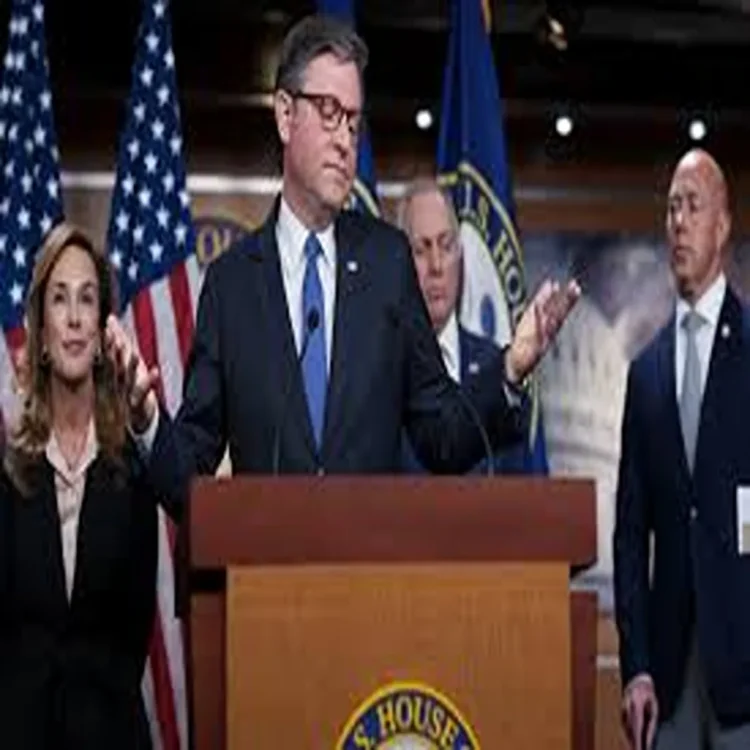
Ceasefire Interpretation Raises Legal Questions
Officials within the administration maintain that the cessation of direct hostilities marks the end of active conflict. According to a senior official familiar with the matter, military exchanges between the US and Iran have not taken place since the ceasefire began on April 7. On that basis, the administration considers the hostilities that began in late February to have formally ended.
Defense Secretary Pete Hegseth echoed this reasoning during a Senate hearing, stating that the ceasefire effectively halted the conflict. This interpretation suggests that the timeline requiring congressional authorization for extended military action has been paused, a stance that has drawn scrutiny from lawmakers and legal experts.
Strategic Situation Remains Unchanged
Despite the ceasefire, tensions in the region remain evident. Iran continues to exert control over the Strait of Hormuz, a critical global shipping route, while US naval forces are actively working to restrict Iranian oil shipments. The ongoing strategic standoff raises questions about whether the conflict can truly be considered over in practical terms.
The continuation of these measures suggests that while direct combat may have ceased, underlying military objectives and operational pressures remain in place.
Congressional Concerns Intensify
The administration’s interpretation has prompted concern among members of Congress, particularly regarding compliance with the War Powers Resolution of 1973. The law requires the president to obtain congressional approval for military engagements lasting beyond 60 days, unless specific conditions apply.
Some lawmakers argue that the deadline is binding and not subject to reinterpretation. Senator Susan Collins emphasized that any further military involvement must be clearly defined, with specific goals and a structured plan for resolution. She supported a measure aimed at ending military operations in Iran in the absence of congressional authorization.
Democrats have also pressed for clarity, suggesting that the administration’s position could set a precedent that weakens congressional oversight in matters of war.
Alternative Strategy Proposed
Amid the debate, policy experts have suggested reframing the current mission. Richard Goldberg, a former national security official, proposed transitioning to a new operation focused on ensuring maritime security in the region. According to his proposal, such a mission would emphasize defensive measures aimed at reopening key shipping routes while allowing for limited offensive action if necessary.
Goldberg argued that redefining the mission could address legal concerns while maintaining strategic objectives, particularly in ensuring freedom of navigation through vital waterways.
Legal Experts Challenge Administration’s View
Legal analysts have strongly questioned the administration’s interpretation of the War Powers Resolution. Katherine Yon Ebright, a specialist in national security law, described the argument as a significant departure from established legal understanding.
She noted that the legislation does not provide any mechanism to pause or reset the 60-day timeline based on a ceasefire. According to her, accepting such an interpretation could weaken the intent of the law, which was designed to limit unchecked executive military authority.
Other administrations have previously argued that certain military actions did not meet the threshold required under the law due to their limited scope. However, experts contend that the scale and intensity of the Iran conflict make it difficult to apply such reasoning in this case.
Ongoing Debate Over Executive Authority
The situation highlights a broader and ongoing debate over the balance of power between the executive branch and Congress in matters of military engagement. As tensions persist in the region and strategic operations continue, the question of legal authority remains unresolved.
Lawmakers and analysts alike are calling for greater clarity, emphasizing the importance of adhering to established legal frameworks while addressing evolving geopolitical challenges.