
Trials – Weinstein faces fresh jury review in New York rape case
Trials – Harvey Weinstein is once again set to face a New York courtroom as jury selection begins in a renewed rape trial that revisits long-standing allegations against the former film producer.
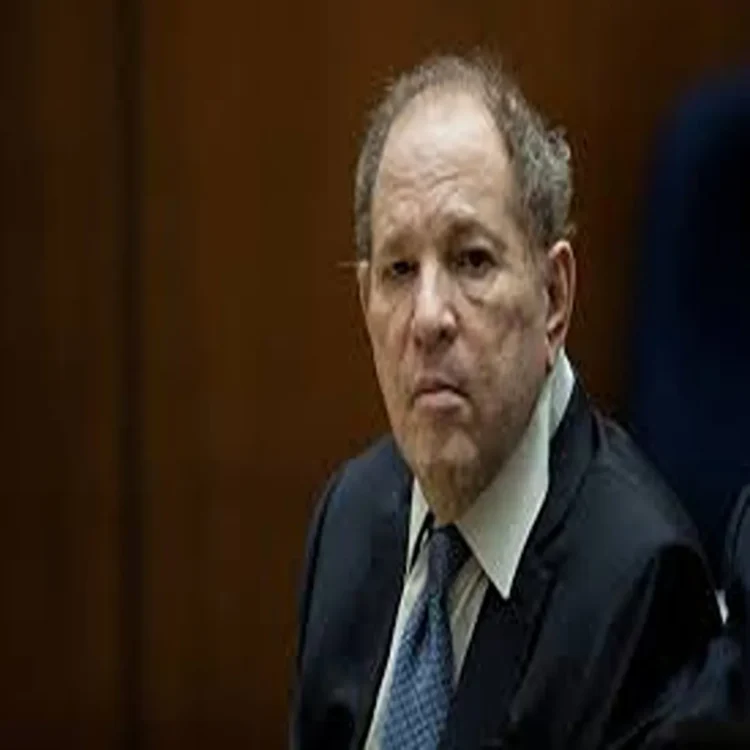
Focus narrows to a single allegation
Unlike earlier proceedings, this retrial will center on one specific accusation involving Jessica Mann, a hairstylist and aspiring actor. Jurors will be asked to determine whether Weinstein raped Mann in a Manhattan hotel in 2013. Previous trials in New York and Los Angeles examined multiple allegations, but this time the case has been narrowed to a single charge, potentially reshaping how evidence is presented and argued.
Weinstein has consistently denied all allegations of non-consensual acts. While acknowledging past personal misconduct, he has maintained that all encounters were consensual.
Legal strategy shifts with new defense team
A notable change in the retrial is the arrival of a new defense lawyer, Marc Agnifilo, who took over the case earlier this year. His appointment follows the departure of longtime attorney Arthur Aidala, who stepped aside to focus on appeals and related legal matters. Observers expect differences in courtroom strategy, as Agnifilo is known for a more measured and structured approach compared to his predecessor’s conversational style.
The presiding judge has also indicated that certain evidentiary rulings from earlier trials may be reconsidered, potentially altering what jurors will hear about the relationship between Weinstein and Mann.
Background of earlier trials and mixed verdicts
Weinstein’s legal battles began after multiple allegations surfaced publicly in 2017, fueling broader discussions on workplace misconduct. He was later charged in both New York and Los Angeles, leading to high-profile trials.
In New York, his initial conviction was overturned, resulting in a retrial. That retrial produced mixed outcomes: he was found guilty of forcing oral sex on a production assistant in 2006 but acquitted on another charge involving a different accuser. The jury, however, failed to reach a verdict on the rape allegation concerning Mann, leaving that charge unresolved and prompting the current retrial.
Accounts differ sharply between prosecution and defense
Mann has previously testified that she had a complicated relationship with Weinstein, describing it as consensual at times but also alleging a specific incident in which she was pressured into a sexual encounter against her will. She told jurors that she initially resisted but eventually felt unable to continue resisting.
Weinstein’s defense team has argued that interactions with his accusers, including Mann, were consensual and often tied to their professional ambitions in the entertainment industry. In contrast, the prosecution contends that Weinstein used his influence to manipulate and exploit women seeking career opportunities.
Potential consequences and ongoing legal challenges
The charge being reconsidered in this trial carries a lesser penalty compared to other convictions Weinstein has faced, with a maximum sentence of up to four years if found guilty. However, he has already spent significant time in custody.
Weinstein, now in his seventies, has cited serious health concerns and has appeared in court using a wheelchair. He has also spoken about the psychological strain of incarceration, particularly during his time at Rikers Island.
Meanwhile, his legal battles extend beyond New York. He is currently appealing a separate conviction in Los Angeles, and his attorneys continue to challenge previous rulings, including claims of jury-related issues in earlier proceedings.
A case that continues to draw public attention
The retrial represents another chapter in a legal saga that has had far-reaching implications. While the broader movement sparked by the original allegations reshaped conversations around accountability, this case remains focused on determining the facts of a single accusation through the judicial process.
As jury selection begins, the outcome will depend on how convincingly each side presents its case under this more narrowly defined framework.