
Trade Policy – US Cites Brazil’s India and Mexico Tariff Preferences in New Import Duties
Trade Policy – The United States has announced new trade measures targeting selected Brazilian imports after concluding that Brazil’s tariff policies provide advantages to certain trading partners over American exporters.
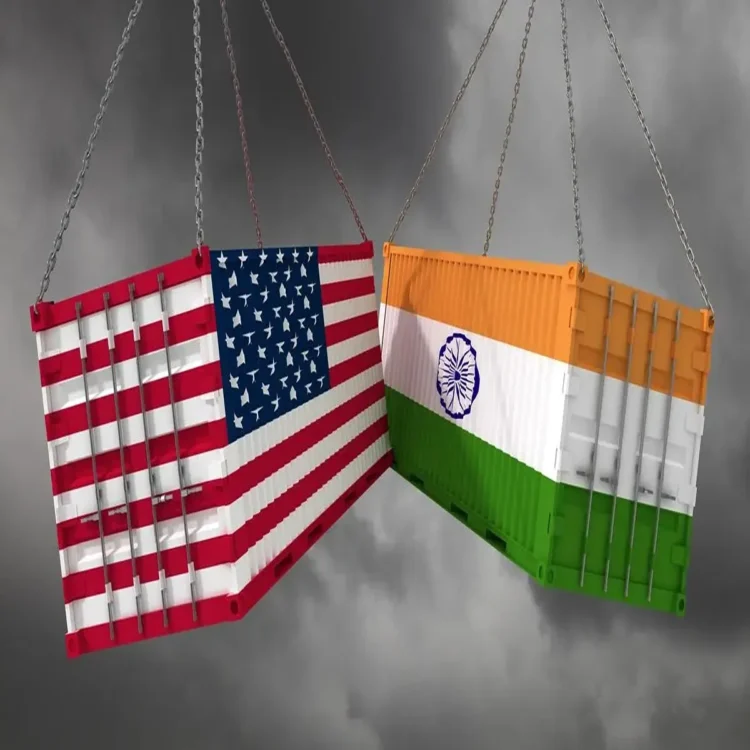
The United States administration has said that the Office of the United States Trade Representative (USTR) will impose a 25 per cent tariff on selected Brazilian imports following the outcome of a Section 301 investigation. The new duties are scheduled to come into effect on July 22. Senior White House officials said the investigation determined that Brazil extends preferential tariff benefits to countries such as India and Mexico while not offering similar treatment to US exports. According to the officials, this difference has placed American businesses at a competitive disadvantage in the Brazilian market.
Investigation Highlights Tariff Differences
Officials explained that the investigation examined multiple product categories and found that Brazil grants reduced tariff rates to India and Mexico across numerous tariff lines. They stated that the United States does not receive equivalent access under these arrangements, despite being one of Brazil’s major trading partners. The administration argued that these preferential agreements have created unequal market conditions for American manufacturers and exporters.
According to White House officials, the tariff concessions provided by Brazil cover a wide range of industries. They said these agreements allow goods from India and Mexico to enter Brazil under lower import duties than those applied to similar products exported from the United States.
US Links Trade Trends to Preferential Agreements
The White House maintained that Brazil’s tariff policies have had a measurable impact on trade flows. Officials said US exports to Brazil have declined in product segments affected by the preferential arrangements, while shipments from India and Mexico have increased during the same period. They argued that the findings indicate a clear connection between Brazil’s tariff structure and the changing competitiveness of American exports in the Brazilian market.
US officials added that Washington expects Brazil to consider extending comparable tariff preferences to American products. They emphasized that the United States seeks equal trading conditions and believes its exporters should be able to compete under similar tariff rules as those available to other major trading partners.
Multiple Sectors Covered Under Trade Benefits
According to the administration, the preferential tariff arrangements span several important industries, including agriculture, motor vehicles, auto components, minerals, chemicals and industrial machinery. Officials said Brazil’s agreements with India apply to hundreds of tariff categories, while similar arrangements with Mexico reportedly cover more than 1,000 tariff lines.
The White House further stated that, depending on the product category, the tariff reductions granted under these agreements range from 10 per cent to as much as 100 per cent below Brazil’s most-favoured-nation tariff rates that are generally applied to US goods.
Wider Trade Concerns Behind the Decision
The tariff announcement follows the completion of the USTR’s Section 301 investigation into Brazilian trade practices. Besides the issue of preferential tariff treatment, the investigation also examined concerns related to digital trade policies, electronic payment services, enforcement of anti-corruption measures, protection of intellectual property rights, access to Brazil’s ethanol market and issues connected with illegal deforestation.
US officials said the decision reflects the administration’s broader effort to address what it considers unfair trade practices affecting American businesses. The new tariffs are expected to take effect as scheduled unless further policy changes or negotiations alter the current timeline.