
Strait – Iran Reaffirms Firm Control Over Strategic Hormuz Passage
Strait – Iran has reiterated its firm stance on maintaining full authority over the Strait of Hormuz, describing the crucial maritime route as an inseparable part of its national sovereignty. A senior Iranian lawmaker made it clear that Tehran has no intention of relinquishing control over the waterway, which remains vital for global energy transportation.
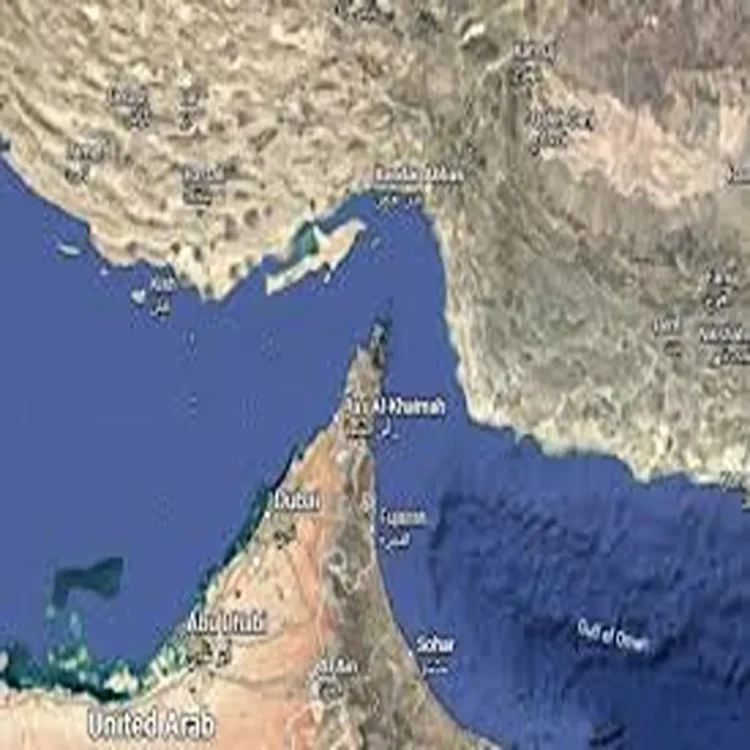
Senior Lawmaker Emphasizes Sovereign Rights
Ebrahim Azizi, head of Iran’s Parliament Committee on National Security and Foreign Policy, stated that the country’s authority over the Strait is non-negotiable. Speaking in Tehran, he firmly rejected any suggestion that Iran might consider giving up control, calling it an inherent and permanent right of the nation.
Azizi also indicated that Iran intends to regulate navigation through the Strait, including granting permission for vessels to pass. This approach reflects Tehran’s broader effort to assert oversight over one of the world’s most strategically important shipping routes.
Proposed Legislation to Strengthen Oversight
Iranian state media reported that a new legislative proposal is under discussion in parliament to formalize this position. The bill is said to focus on environmental protection, maritime safety, and national security concerns. Enforcement responsibilities would fall to the country’s armed forces, highlighting the strategic importance of the measure.
The proposed framework draws on constitutional provisions and aims to create a structured system for managing maritime activity. Officials argue that such regulation is necessary given the increasing geopolitical tensions in the region.
Strategic Importance Highlighted by Recent Conflict
Iranian officials believe that recent confrontations involving the United States and Israel have reinforced the importance of the Strait as a key strategic asset. According to Azizi, controlling maritime access could serve as a means of strengthening deterrence and enhancing Iran’s influence in the region over the long term.
Analysts in Tehran have suggested that while Iran may engage in discussions with other nations regarding operational guidelines, the question of ultimate authority remains non-negotiable. Control over the Strait is viewed as central to the country’s security strategy.
Regional Disputes and Political Tensions
Azizi also responded to criticism from neighboring countries, particularly the United Arab Emirates. He dismissed accusations of aggressive behavior and instead accused certain regional governments of aligning too closely with foreign powers.
In his remarks, he criticized the United States’ military presence in West Asia, describing it as a destabilizing factor. Iranian officials have repeatedly pointed to American bases in the region as evidence of external interference.
Escalation at Sea Raises Concerns
The situation has been further complicated by reports of a confrontation involving an Iranian commercial vessel in the Sea of Oman. According to Iranian sources, US forces allegedly boarded the ship and interfered with its navigation systems while it was traveling from China.
In response, Iranian forces reportedly carried out drone operations targeting US naval assets nearby. These developments have contributed to rising tensions, even as Iran has recently reopened the Strait to commercial shipping after a period of restricted access for vessels linked to certain countries.
Ceasefire Announcement Fails to Ease Uncertainty
The latest developments come shortly after a ceasefire announcement by US President Donald Trump, following Iran’s acceptance of a peace proposal. While the ceasefire raised hopes for de-escalation, ongoing disputes over maritime rights and continued naval activity have kept the situation fragile.
Despite the temporary pause in hostilities, the broader geopolitical environment remains uncertain. Control over the Strait of Hormuz continues to be a focal point of international concern, with both regional and global implications