
Shipping – India Urges Protection of Maritime Routes Amid Hormuz Tensions
Shipping – India has strongly criticized recent attacks targeting commercial vessels in the Strait of Hormuz, emphasizing that such actions threaten global trade and regional stability. Speaking at a United Nations Security Council meeting, India highlighted the need to safeguard vital shipping lanes and ensure uninterrupted movement of goods through the strategically important waterway.
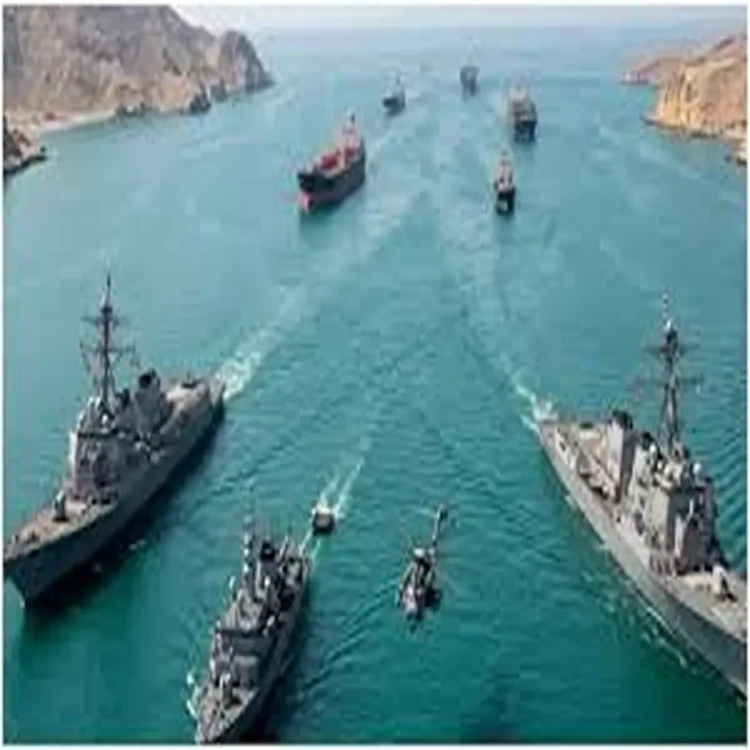
Concerns Over Safety of Commercial Shipping
India’s Deputy Permanent Representative to the United Nations, Yojna Patel, stressed that merchant ships should never become targets in military confrontations. Addressing the Council, she described the attacks as unacceptable and called for immediate steps to restore secure and open navigation in the region. While refraining from directly naming any country, her remarks referenced earlier developments involving heightened tensions in the Middle East.
Patel underlined that any disruption to shipping not only endangers civilian crews but also undermines international commerce. She urged all parties involved to respect established maritime norms and avoid actions that could escalate the situation further.
Reference to Previous UN Resolution
During her statement, Patel recalled that India had supported a United Nations Security Council resolution earlier this year that condemned aggressive actions in the region. The resolution, introduced by Bahrain, strongly criticized attacks on neighboring countries, reflecting broader international concern over rising instability.
India’s mention of this resolution signaled its consistent position against actions that threaten regional peace and maritime safety. It also highlighted the country’s role in supporting multilateral efforts to address security challenges.
Impact on India’s Economic and Energy Interests
The Strait of Hormuz holds immense significance for India, serving as a critical route for energy imports and trade connectivity. A substantial portion of India’s oil supply passes through this narrow channel, making any disruption a matter of serious concern for the country’s economy.
Patel pointed out that uninterrupted shipping in this region is essential for maintaining stable supply chains. Any threat to this route could have far-reaching consequences, not only for India but also for global markets dependent on energy flows from the Gulf.
Safety of Indian Nationals in the Gulf
India also expressed concern for the large number of its citizens living and working in Gulf countries. With nearly 10 million Indians residing in the region, their safety remains a top priority for the government.
The representative emphasized that escalating tensions could pose risks to these communities, making it crucial for all stakeholders to act responsibly and avoid further conflict.
Call for Dialogue and De-escalation
Reiterating its long-standing approach, India called for diplomatic engagement to ease tensions in the Middle East. Patel noted that the region holds strategic importance for India due to its geographic proximity and deep economic ties.
She urged countries involved in the dispute to pursue dialogue and peaceful resolution, warning that continued confrontation could destabilize the broader region. India maintained that cooperation and communication are essential to restoring stability and ensuring the safety of maritime routes.
Growing International Attention
The issue has drawn attention from multiple global actors, with concerns rising over potential disruptions to one of the world’s busiest shipping corridors. Increased military presence and reported incidents involving vessels have added to the urgency of finding a resolution.
India’s intervention at the Security Council reflects its broader commitment to maintaining open sea lanes and supporting international efforts aimed at preserving peace in the region.