
Sanctions – US Intercepts Iranian Vessel Linked to Suspected Supply Routes
Sanctions – The interception of an Iranian cargo ship by US forces in the Gulf of Oman has drawn fresh attention to international shipping networks and enforcement of sanctions.
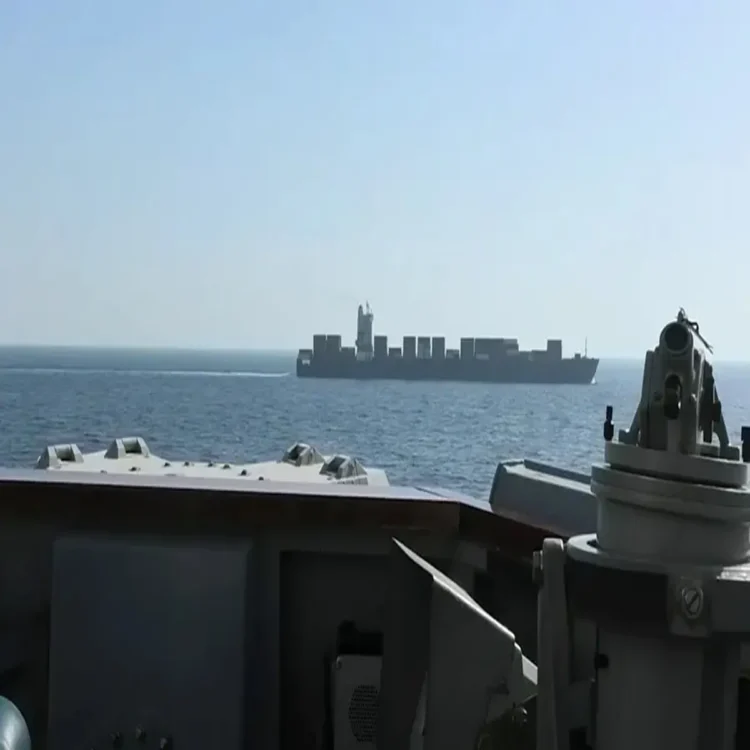
The vessel, identified as the M/V Touska, was reportedly operating as part of a broader fleet frequently navigating routes connected to Chinese ports. According to international media reports, the ship had been under observation due to suspected involvement in transporting materials that could have potential military applications.
Interception in Strategic Waters
US naval forces halted the ship after it allegedly attempted to cross a monitored maritime zone. Officials indicated that warning shots were fired during the operation, which resulted in disabling the vessel’s engine before boarding procedures were carried out. The incident took place in a region known for its geopolitical sensitivity and heavy naval presence.
Authorities have not officially confirmed the exact nature of the cargo onboard. However, analysts suggest that the ship’s actions—particularly its attempt to move through a restricted area—indicate that the shipment may have been considered significant.
Links to Chinese Ports and Trade Routes
Shipping records referenced in reports show that the Touska had recently docked at Zhuhai, a major port in southern China, on multiple occasions prior to its interception. This pattern has raised questions about the vessel’s operational network and the broader logistics chain it may be part of.
Further tracking data suggests that the ship had also traveled through Southeast Asia, including a stop at Port Klang in Malaysia, before heading toward the Strait of Hormuz. Maritime experts note that such routes are commonly used in global trade but can also complicate tracking efforts when ships engage in multiple port visits.
Suspected Dual-Use Cargo
Security analysts cited in various reports have pointed out that the cargo could fall under the category of “dual-use” materials. These are goods that may serve both civilian and military purposes, making them subject to stricter scrutiny under international regulations.
Experts also highlighted that waters around Southeast Asia are frequently used for ship-to-ship transfers. Such operations can obscure the origin and destination of goods, making it more challenging for authorities to monitor compliance with sanctions.
Sanctions and Company Links
The Touska is reportedly operated by an Iranian company that has been sanctioned over alleged involvement in transporting materials linked to Tehran’s missile programme. While details remain limited, the connection has added to concerns among Western officials about enforcement gaps in global shipping.
A former US naval officer, quoted in international coverage, suggested that attempting to pass through an active blockade likely involved calculated risk, implying the cargo held considerable importance.
China’s Position and Diplomatic Response
China has reiterated that it does not supply weapons to Iran and maintains regulatory controls over exports that could have military applications. At the same time, Beijing does not recognise unilateral sanctions imposed by the United States, which has long been a point of contention between the two countries.
Reports indicate that Chinese authorities have expressed concern over the interception and urged restraint, reflecting the broader diplomatic sensitivities surrounding the issue.
Broader Impact on Global Trade
The incident underscores the complex relationship between geopolitical tensions and global commerce. The Strait of Hormuz, where the interception occurred, remains one of the world’s most critical energy transit routes. Any disruption in this area has the potential to influence shipping patterns and oil markets worldwide.
US officials have been increasing efforts to enforce maritime restrictions on vessels suspected of carrying prohibited goods. Meanwhile, Iran continues to rely on trade partnerships, including those with China, to navigate the economic pressures created by ongoing sanctions.
The seizure of the Touska highlights how interconnected global supply chains can become entangled in geopolitical disputes, raising ongoing questions about enforcement, transparency, and the future of international maritime trade.