
Sanctions – US and Iran Signal Progress as Ceasefire Holds Across Region
Sanctions – The United States and Iran appear to be moving closer to a possible agreement aimed at reducing tensions in the Middle East, although officials from both sides continue to caution that major issues still remain unresolved.
US Secretary of State Marco Rubio said during a visit to New Delhi that a potential agreement related to the ongoing regional conflict could emerge as early as Monday. However, he also stressed that expectations should remain measured while negotiations continue behind closed doors.
Rubio explained that discussions had focused heavily on restoring normal movement through strategic Gulf shipping routes after Iran imposed restrictions and the United States responded with maritime blockades. According to him, negotiators have already placed a “solid” proposal on the table regarding the reopening of the straits that are critical for global energy transportation.
Trump Signals Patience in Negotiations
US President Donald Trump also commented on the talks through social media, indicating that Washington was not willing to move hastily toward a final settlement. He stated that American representatives had been instructed not to rush the process, emphasizing that the current pressure measures against Iran would remain active until a formal agreement was finalized and officially signed.
In another statement shared online, Trump suggested that much of the framework for the proposed agreement had already been negotiated, although some important details still required final approval from all parties involved.
Iranian media outlets also acknowledged ongoing diplomatic efforts. However, reports from Tehran indicated that several major concerns remain unresolved, especially matters related to frozen Iranian financial assets and economic restrictions imposed during previous years.
Regional Conflict Continues to Affect Global Markets
The conflict, which intensified after military operations involving the United States and Israel earlier this year, has had a significant impact on regional security and international energy markets. Iran responded to earlier attacks with missile and drone operations targeting multiple locations across the region, increasing fears of broader instability.
Despite the fragile situation, financial markets reacted positively to signs of possible diplomatic progress. Oil prices dropped sharply on Monday, with Brent crude and West Texas Intermediate both recording notable declines as investors anticipated reduced disruptions to energy supply routes.
Analysts believe any successful agreement between Washington and Tehran could help stabilize shipping activity in the Gulf and reduce uncertainty surrounding global fuel exports.
Nuclear Dispute Remains a Major Obstacle
While discussions about military de-escalation have advanced, the long-running dispute over Iran’s nuclear activities continues to be one of the most difficult issues in negotiations.
Rubio told American media that several countries in the Middle East were supporting the current diplomatic approach. However, he noted that a comprehensive nuclear agreement would require more time and careful negotiations rather than a rushed settlement.
Israeli Prime Minister Benjamin Netanyahu also weighed in on the discussions, saying that any final arrangement with Iran must fully eliminate what Israel considers a nuclear threat. Israel has repeatedly insisted that Tehran should not be allowed to expand its uranium enrichment program.
Iranian President Masoud Pezeshkian responded by saying Tehran remained willing to assure the international community that it was not seeking nuclear weapons. Even so, Iranian officials suggested that formal discussions regarding the nuclear issue could be postponed for up to 60 days after a broader agreement is reached.
According to reports from Iranian agencies, temporary relief on sanctions related to oil, gas, and petrochemical exports could be introduced during the negotiation period, allowing Iran to resume parts of its international trade activity.
Regional Leaders Join Diplomatic Push
Several regional governments have also become involved in the diplomatic effort. Leaders from Saudi Arabia, the United Arab Emirates, Qatar, Egypt, Jordan, and Bahrain reportedly joined discussions with Trump over the weekend alongside representatives from Turkey and Pakistan.
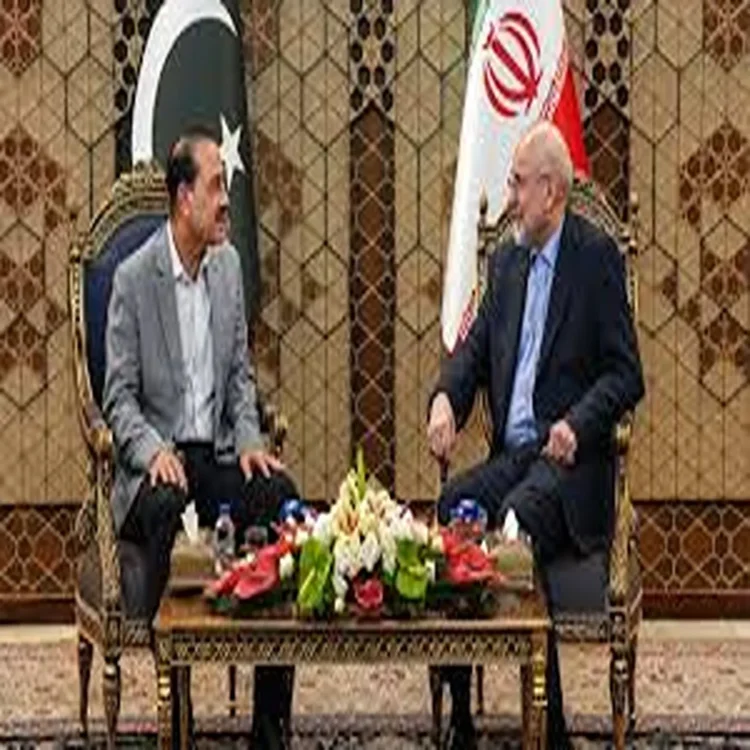
Pakistan, which previously hosted direct talks between American and Iranian delegations earlier this year, has expressed interest in organizing another round of negotiations soon. Prime Minister Shehbaz Sharif confirmed that Pakistan’s military leadership had recently visited Tehran to support ongoing peace efforts.
Lebanon Tensions Continue Despite Ceasefire
Although diplomatic talks between Washington and Tehran continue, violence has not fully ended elsewhere in the region. Israeli forces have continued military operations targeting Hezbollah positions in southern and eastern Lebanon despite an earlier ceasefire agreement announced in April.
Rubio accused Hezbollah of attempting to destabilize Lebanon and criticized statements made by the group’s leadership calling for protests against the Lebanese government. The comments came amid growing political and economic pressure inside Lebanon following continued cross-border attacks and financial sanctions.