
NATO – Trump Questions Alliance Support Amid Rising Global Tensions
NATO – The United States’ relationship with the North Atlantic Treaty Organisation has once again come under scrutiny after former President Donald Trump renewed his criticism of the alliance, raising concerns about its reliability during times of conflict.
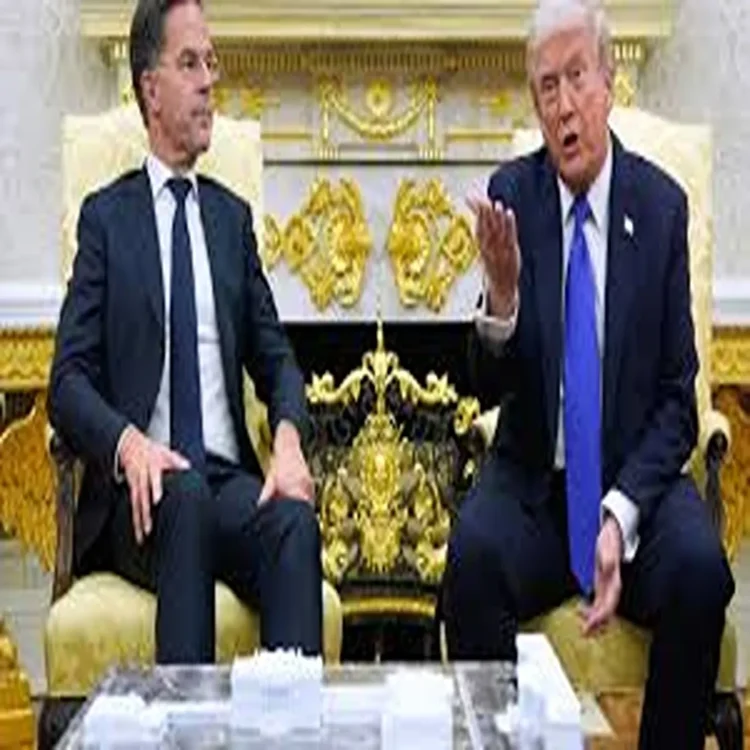
Trump Renews Longstanding Concerns Over NATO
In a recent statement shared on his social media platform, Trump argued that NATO has historically failed to support the United States and is unlikely to do so in future crises. His remarks reflect a continuation of views he has expressed for years, questioning whether the alliance operates fairly for all its members.
Trump has repeatedly maintained that the United States carries an outsized share of NATO’s financial and military responsibilities. According to him, several member nations have not met expected defence spending targets, placing additional strain on American resources.
Frustration Over Burden Sharing
The former president emphasized that the US has invested vast sums in maintaining security across Europe, particularly as a deterrent against Russia. He argued that despite these efforts, the alliance did not provide adequate backing during critical moments involving US interests.
His comments also referenced past tensions involving Iran, where he expressed disappointment over what he described as a lack of support from NATO partners. Trump suggested that while member countries may now show willingness to cooperate, their response during earlier periods did not meet expectations.
Broader Geopolitical Context
These remarks come at a time of heightened global uncertainty, with geopolitical tensions continuing in several regions. The strategic importance of areas such as the Strait of Hormuz has further intensified discussions around military cooperation and alliance commitments.
Analysts note that debates about NATO’s role are not new but tend to resurface during periods of international instability. Trump’s statements highlight ongoing disagreements about how responsibilities should be shared among member nations.
Legal and Political Constraints
Despite his criticism, withdrawing the United States from NATO would not be a straightforward process. Under US law, such a move would require significant political backing, including approval from a two-thirds majority in the Senate or formal legislation passed by Congress.
At present, NATO continues to receive strong bipartisan support within the United States, making a full withdrawal unlikely in the near term. Lawmakers from both major political parties generally view the alliance as a cornerstone of transatlantic security.
Flexibility Within the Alliance Framework
While a complete exit may be difficult, there are other options available to US leadership. For example, decisions regarding troop deployments remain within national control. The United States currently has tens of thousands of military personnel stationed across Europe, and adjustments to these deployments could signal shifts in policy.
Additionally, NATO’s collective defence principle, outlined in Article 5, does not automatically mandate military action. Instead, it allows member states to determine their own response in the event of an attack on an ally, leaving room for interpretation and discretion.
Continuing Debate on NATO’s Future
Trump’s renewed criticism underscores a broader conversation about NATO’s evolving role in a changing global landscape. Questions about funding, commitment, and strategic priorities remain central to discussions about the alliance’s future.
As international tensions persist, the debate over NATO’s effectiveness and fairness is likely to continue, with policymakers weighing the balance between national interests and collective security.