
Missiles – Trump Disputes Intelligence Estimates on Iran’s Military Strength
Missiles – US President Donald Trump has said that Iran’s missile stockpile has been significantly weakened following recent military confrontations, arguing that Tehran now possesses only a small portion of the arsenal it had before the conflict escalated.
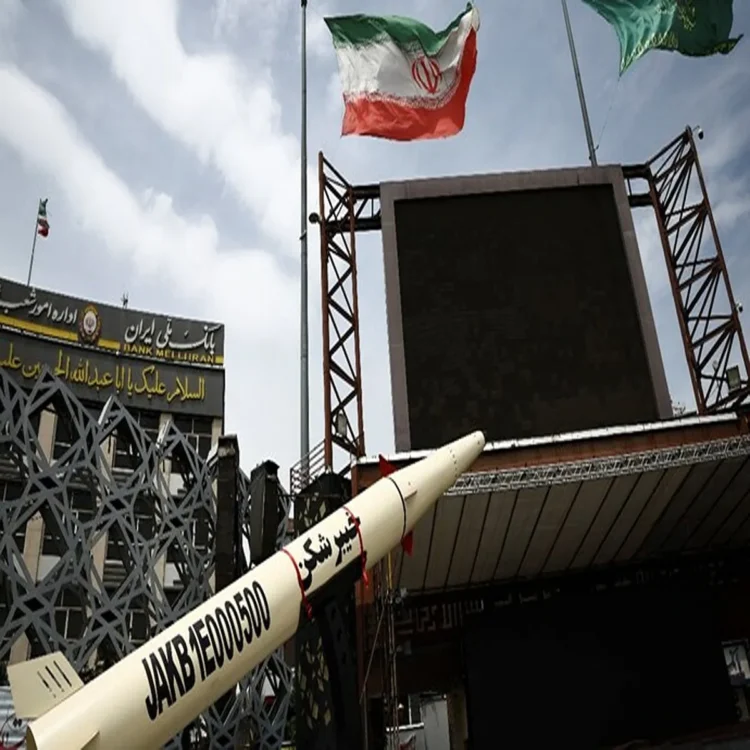
Trump Highlights Damage to Iranian Arsenal
During an interview with NBC News’ Meet the Press, Trump maintained that American operations had inflicted extensive damage on Iran’s military infrastructure. According to his assessment, only a limited share of the country’s ballistic missile inventory remains intact.
The US President suggested that Iran retains roughly one-fifth of its previous missile capacity. While acknowledging that the remaining arsenal is still substantial, he stressed that it is considerably smaller than it was before military action was launched.
Intelligence Briefings Present a Different Picture
Trump’s remarks differ sharply from information reportedly shared with members of Congress by US intelligence officials. A report by The New York Times indicated that lawmakers were told Iran had managed to restore operations at most of its missile facilities located near the strategically important Strait of Hormuz.
The briefings reportedly concluded that Tehran still possesses a significant majority of its missile stockpile from before the conflict. These findings contrast with the President’s public assessment of the extent of the damage inflicted on Iran’s military capabilities.
Focus on Strait of Hormuz Stability
Addressing concerns over maritime security, Trump expressed confidence that disruptions affecting the Strait of Hormuz would be resolved in the near future. The waterway remains one of the world’s most important energy transit routes, carrying large volumes of global oil shipments.
When asked about the number of commercial oil tankers that had received protection while passing through the region, Trump declined to provide exact figures. However, he stated that many vessels had been successfully escorted through the corridor.
The President also predicted that tensions in the area would eventually ease and suggested that a return to stability could contribute to lower energy prices. His comments come as rising fuel costs continue to draw attention in the United States ahead of upcoming midterm elections.
Nuclear Program Remains a Key Issue
Speaking about relations with Tehran, Trump did not offer details regarding any ongoing diplomatic engagement. He did, however, reaffirm Washington’s longstanding position on Iran’s nuclear ambitions.
The President said his administration remained confident that Iran would not acquire a nuclear weapon. Iranian authorities have repeatedly denied allegations from the United States and several regional partners that the country is pursuing the development of nuclear arms.
Lebanese President Criticizes Regional Interference
Meanwhile, attention also turned to neighboring Lebanon, where President Joseph Aoun criticized what he described as Iranian influence in Lebanese affairs. In comments aired by CNN, Aoun urged the Iran-backed Hezbollah movement to move away from military confrontation and embrace negotiations as the path toward stability.
He argued that Lebanon should not be used as leverage in broader geopolitical disputes and called for respect for the country’s sovereignty. Aoun also emphasized that the interests of the Lebanese people should take precedence over regional power struggles.
Calls for Diplomacy After Renewed Violence
The Lebanese leader’s comments followed a period of heightened cross-border violence between Hezbollah and Israel. The clashes intensified after rocket attacks were launched into Israel, prompting retaliatory military operations.
Aoun said meaningful dialogue remains the only realistic option for ending the conflict and preserving what remains of regional stability. He stressed that lasting solutions would require negotiations rather than continued military escalation.
The President also welcomed a recently brokered ceasefire framework discussed in Washington, describing it as an opportunity to reduce hostilities. However, he acknowledged that the durability of any agreement remains uncertain given previous violations of earlier truce arrangements.
Debate Over Hezbollah’s Future Role
Aoun further stated that questions surrounding Hezbollah’s weapons should ultimately be addressed through Lebanese state institutions. He argued that resolving underlying security concerns, including border tensions and military activity, would be essential to any long-term settlement.
Concluding his remarks, the Lebanese President questioned whether military force alone could achieve lasting objectives in the region, insisting that sustainable peace would require political commitment and diplomatic engagement from all sides.