
MiddleEastConflict – Israeli Airstrikes Continue in Southern Lebanon Despite Truce Efforts
MiddleEastConflict – Israeli military aircraft carried out fresh strikes across several locations in southern Lebanon on Wednesday, according to Lebanese state media, even as a recently announced agreement aimed at reducing hostilities in the wider Middle East conflict remains in place.
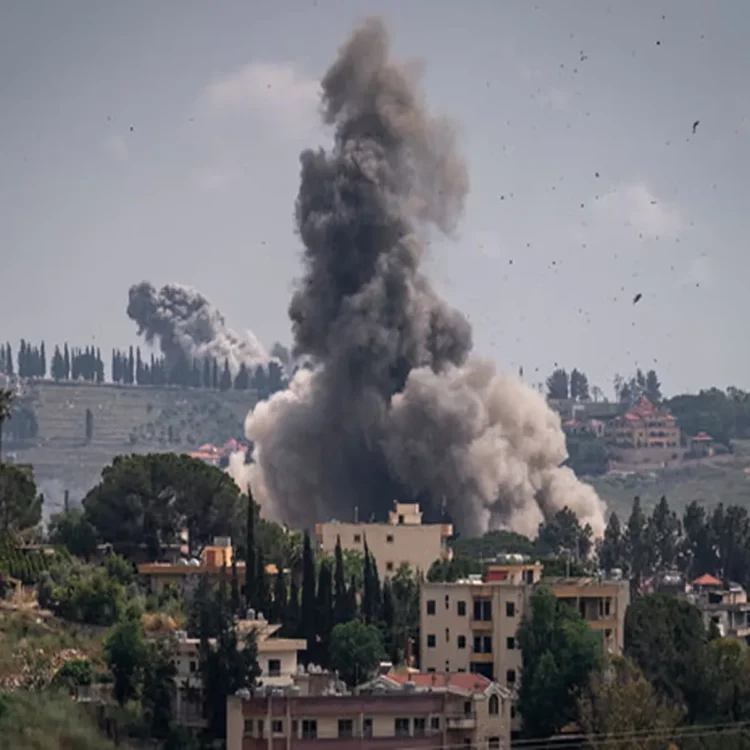
The latest attacks were reported in areas of the Nabatieh governorate, where Israeli warplanes targeted sites near Nabatieh al-Fawqa and the outskirts of Kfar Tebnit. The incidents were confirmed by Lebanon’s National News Agency, which said multiple raids were conducted during the day.
New Strikes Reported Across Southern Region
State media also reported that an Israeli drone attack hit the town of Ansariyeh in the Zahrani district. Details regarding casualties or damage from the latest strikes were not immediately available.
The attacks come just days after a US-backed agreement involving Iran sought to halt military escalation across the region. Although the arrangement has contributed to a noticeable decline in violence, sporadic military operations have continued in southern Lebanon.
According to Lebanese media reports, at least five people have been killed in Israeli attacks in southern Lebanon since the ceasefire-related announcement was made earlier this week.
Residents Return Amid Ongoing Security Concerns
The relative reduction in fighting has encouraged some displaced residents to travel back to their hometowns and assess damage caused during months of conflict. However, Lebanese military authorities have urged caution, warning civilians that security conditions remain unstable.
Officials advised residents to postpone their return to certain border areas due to concerns over potential military incidents and continued violations that could place civilians at risk.
Conflict Expanded Earlier This Year
Lebanon became more directly involved in the broader regional conflict earlier this year when Hezbollah launched rocket attacks toward Israel. The Iran-backed group said the action was intended as retaliation following the killing of Iran’s supreme leader during joint US-Israeli military operations.
Israel responded with an extensive military campaign that included large-scale airstrikes and ground operations inside Lebanese territory. The fighting led to widespread destruction across parts of southern Lebanon and displaced thousands of civilians.
Dispute Over Military Presence Continues
Diplomatic tensions remain high despite efforts to stabilize the region. Iranian Foreign Minister Abbas Araghchi stated that any lasting resolution would require Israeli forces to withdraw from areas captured during the conflict.
He argued that continued military operations or the retention of troops inside Lebanese territory would contradict the understandings reached to reduce hostilities.
Israel, however, has signaled no immediate intention to leave the areas under its control. Prime Minister Benjamin Netanyahu stated earlier this week that Israeli forces would remain deployed for as long as security considerations require.
Hezbollah Yet to Announce New Operations
Since Tuesday, Hezbollah has not released statements claiming responsibility for any attacks against Israeli positions in southern Lebanon. Observers are closely monitoring the group’s next moves as regional leaders continue diplomatic efforts aimed at preventing renewed escalation.
The group’s secretary-general, Naim Qassem, is expected to deliver a televised speech later on Wednesday. Earlier this week, he publicly thanked Iran for its role in pushing for an immediate and lasting halt to military activity across multiple fronts, including Lebanon.
Rising Human Cost of the War
Meanwhile, Lebanon’s Health Ministry updated the toll from Israeli military actions since the conflict began. Authorities said the number of people killed has reached 3,826, with rescue teams continuing recovery operations in areas heavily damaged by fighting.
Emergency workers remain engaged in searching collapsed buildings and clearing debris, raising concerns that the overall casualty figure could increase further as more victims are located.