
IranDiplomacy – Jack Keane Questions Pakistan, Qatar and Saudi Roles in US-Iran Talks
IranDiplomacy – The debate over Washington’s diplomatic strategy toward Tehran has intensified after retired US General Jack Keane publicly questioned the credibility of several Middle Eastern countries involved in mediation efforts. His remarks followed US President Donald Trump’s reported decision to pause preparations for a large-scale military strike against Iran in favour of reopening diplomatic channels aimed at reaching a possible agreement with Tehran.
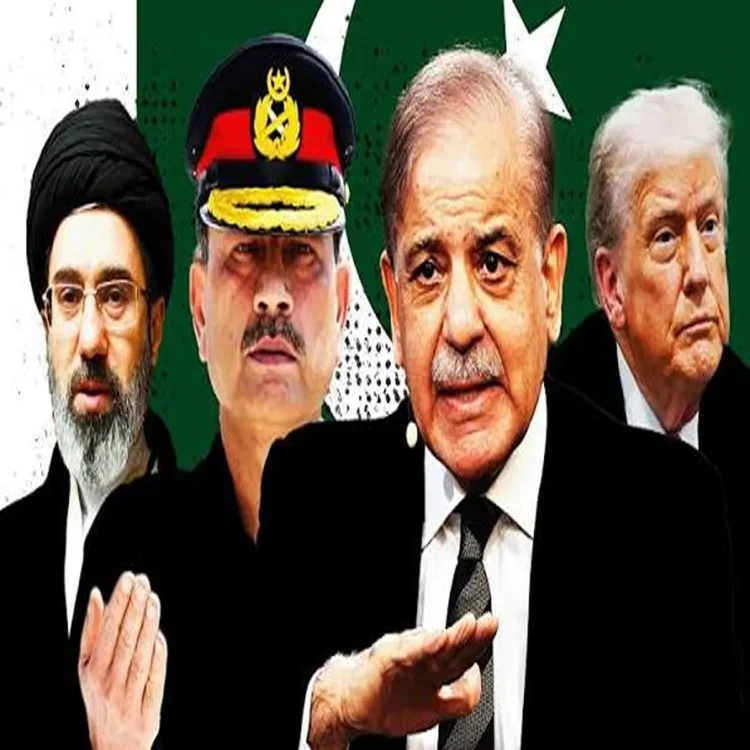
Keane Raises Concerns Over Regional Mediators
During an interview with Fox News, Keane argued that Pakistan and Qatar should not have been entrusted with facilitating communication between the United States and Iran. According to him, both countries have historically maintained positions that are more favourable to Tehran than to Washington, a factor he believes may have influenced diplomatic assessments.
Keane said intelligence agencies and regional stakeholders have long been aware of what he described as the two countries’ close alignment with Iran. He claimed that this situation could have contributed to an inaccurate understanding of Tehran’s intentions during recent diplomatic efforts.
Experienced Voice in US Defence Policy
Keane remains a well-known figure in American defence and national security circles. He serves as Chairman of the Institute for the Study of War and is a member of the US Secretary of Defense Policy Board. Over the years, he has advised four US defence secretaries and has also contributed to the Congressional Commission on the National Defense Strategy in both 2018 and 2022.
His comments carry weight because of his long involvement in military strategy and defence policy, although they represent his personal assessment rather than an official position of the US government.
Criticism Extends to Saudi Arabia
Beyond Pakistan and Qatar, Keane also criticised Saudi Arabia’s approach toward the Iran issue. He alleged that Riyadh has repeatedly urged Washington to avoid military action against Tehran and instead pursue negotiations.
Referring to discussions surrounding the strategically important Strait of Hormuz, Keane claimed Saudi Arabia declined to provide access to its airbases and airspace for a potential US military operation. He further argued that Saudi leaders believed such an operation would not succeed and therefore discouraged stronger military action.
Questions Over Regional Security Responsibilities
Keane also accused Saudi Arabia of being unwilling to bear the risks associated with confronting Iran. According to him, the kingdom has sought to protect its own population and vital oil infrastructure while expecting the United States and Israel to shoulder the military burden if tensions were to escalate.
He described this approach as inconsistent with the long-standing security partnership between Washington and Riyadh. Keane pointed out that the United States played a significant role in defending Saudi Arabia during the Gulf War and has maintained close strategic cooperation with the kingdom despite periods of political strain, including the international fallout after the killing of Saudi journalist Jamal Khashoggi.
Remarks Reflect Personal Assessment
Keane concluded by expressing disappointment with what he sees as the reluctance of key regional partners to take a stronger stand against Iran. He argued that greater cooperation would better serve both regional stability and broader security objectives.
His comments come at a time when discussions over US-Iran relations and Middle East security remain active, with several countries continuing to support diplomatic engagement as an alternative to military confrontation. The statements made by Keane reflect his own analysis of the strategic positions adopted by Pakistan, Qatar and Saudi Arabia. His claims have not been independently verified, and no official responses from the governments mentioned were included at the time of his remarks.