
Iran-US Tensions – Araghchi Reveals Pressure-Filled Talks Amid Escalating Military Conflict
Iran-US Tensions – The sharp rise in military confrontation between Iran and the United States has brought renewed attention to behind-the-scenes diplomatic efforts, with Iranian Foreign Minister Abbas Araghchi describing the intense pressure under which discussions with US officials were conducted.
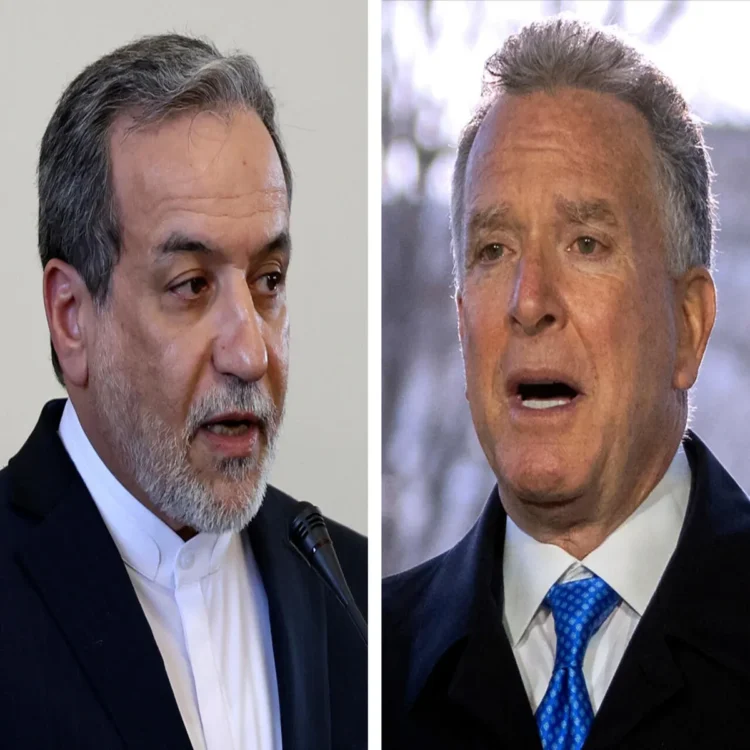
The latest escalation between Washington and Tehran has unfolded alongside new revelations from Iranian Foreign Minister Abbas Araghchi about his exchanges with Steve Witkoff, a senior envoy representing US President Donald Trump. Speaking in an interview with Iran’s state-linked Mehr news agency, Araghchi said negotiations took place in an atmosphere overshadowed by the constant possibility of military action. According to him, the talks were unlike ordinary diplomatic meetings because participants believed they could face an attack at any moment.
Minister Describes Atmosphere During Discussions
Recalling one of his conversations with Witkoff, Araghchi said he asked the American envoy whether he had ever negotiated while fearing that the meeting itself could become the target of an airstrike. He also described the emotional burden of speaking with family members while wondering whether it might be the last conversation before an attack.
The Iranian minister said such conditions reflected the extraordinary challenges faced by Tehran’s negotiators. Despite the pressure, he insisted that Iran refused to alter its position through either military threats or political incentives. Araghchi maintained that dialogue should be based on mutual respect rather than intimidation.
Diplomatic Contacts Continued Across Several Countries
Although Tehran has repeatedly stated that these exchanges should not be viewed as formal negotiations, communication between Araghchi and Witkoff has continued intermittently since nuclear-related discussions began last year.
The first indirect contacts reportedly took place in Muscat, where Omani officials acted as intermediaries before the two representatives briefly met in person. Additional rounds of discussions later occurred in Muscat, Rome and Geneva after scheduling changes shifted the venue of a planned European meeting.
In April, Araghchi travelled to Islamabad, Muscat and Moscow for another series of diplomatic engagements involving Witkoff and Jared Kushner. Reports also suggest that both sides remained in touch through direct text messages alongside face-to-face meetings.
Iran Rejects Claims of Military Pressure
During the interview, Araghchi dismissed suggestions that military operations could force Iran into making political concessions. He argued that comparisons with other nations were misplaced and rejected any assumption that removing a single leader would weaken the country’s governing structure.
According to the foreign minister, Iran’s political system would not collapse under external military pressure. He said Washington was mistaken if it believed military action alone could achieve its strategic objectives.
Military Operations Continue Across the Region
Araghchi’s remarks come as fighting between the United States and Iran has intensified following the breakdown of an earlier ceasefire. American forces have continued a series of air operations targeting Iranian military infrastructure, including air defence systems and coastal surveillance facilities that US officials associate with previous attacks on Western military assets and commercial shipping.
The renewed campaign followed a deadly Iranian missile strike on a military base in Jordan that killed two American service members. Since then, Tehran has responded by launching drones and missiles toward US military positions across the Gulf region.
Authorities in Kuwait and Bahrain reported intercepting several incoming projectiles, while Israel said missiles launched from Iran were headed toward the Jordanian city of Aqaba, raising concerns that the conflict could expand further across the Middle East.
Political Pressure Builds Inside Iran
At the same time, Araghchi is facing growing criticism at home. Reports indicate that he left the funeral procession of the late Supreme Leader Ayatollah Ali Khamenei after protesters reportedly shouted slogans against him and threw stones.
Hardline political groups have also criticised Araghchi, Parliament Speaker Mohammad Bagher Ghalibaf and President Masoud Pezeshkian, alleging that they pursued a June diplomatic agreement without obtaining the approval of the country’s new Supreme Leader, Mojtaba Khamenei.
Responding to the criticism, Ghalibaf defended diplomatic engagement in a televised address, arguing that negotiations should not be interpreted as surrender but rather as one element of Iran’s broader strategy while safeguarding national interests.