
Immigration – US and Iran Pause Fresh Attacks as Regional Peace Talks Continue
Immigration – The United States and Iran have agreed to suspend further military action following a fresh round of retaliatory strikes, offering a temporary boost to diplomatic efforts aimed at easing tensions across West Asia. The latest understanding comes as both countries prepare to continue technical discussions intended to preserve an interim agreement and prevent a wider regional conflict.
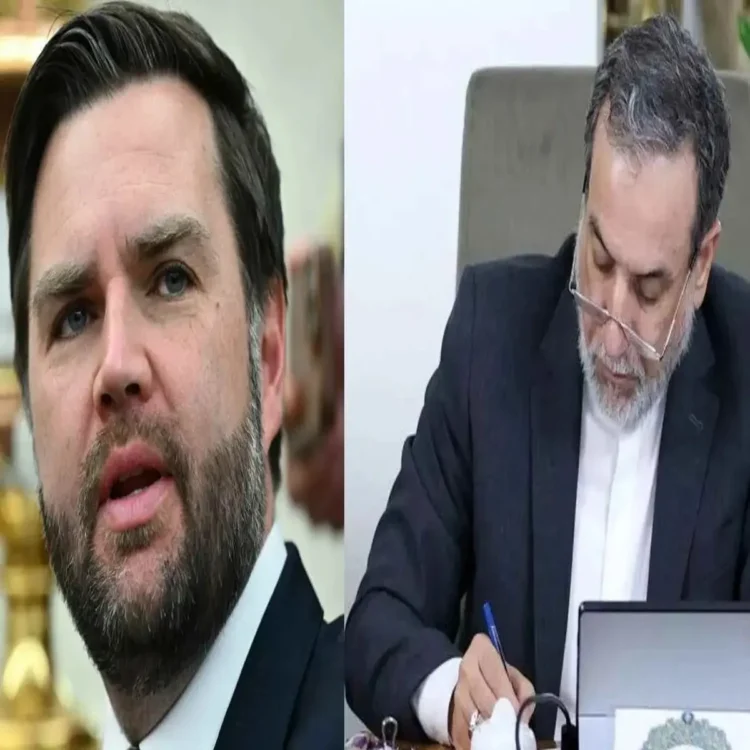
Temporary Calm After Renewed Military Exchanges
According to a US official, Washington and Tehran have decided to halt additional attacks for the time being after recent military exchanges tested the stability of their existing memorandum of understanding. The official said technical-level discussions covering all aspects of the agreement will continue, while commercial vessels are expected to move freely through and around the Strait of Hormuz.
Although US media reports suggested negotiations could resume in Qatar as early as Tuesday, American officials stopped short of confirming a specific date. Iran has not yet publicly responded to Washington’s latest remarks.
Strait of Hormuz Remains at the Center of Dispute
The Strait of Hormuz continues to be one of the most sensitive areas in the ongoing regional crisis. Roughly one-fifth of the world’s oil and liquefied natural gas exports pass through the narrow waterway during normal trading conditions, making uninterrupted shipping crucial for global energy markets.
Since the outbreak of the conflict, Iran has asserted greater authority over vessel movements in the strait. Tehran now insists that ships use a designated maritime corridor near its coastline. However, several commercial vessels have recently chosen routes closer to Oman’s territorial waters, highlighting continued disagreements over navigation.
Iranian Foreign Minister Abbas Araghchi warned that attempts to establish alternative shipping arrangements outside the framework proposed by Tehran could delay the full reopening of the strategic passage and further increase regional tensions.
Military Actions Continue Despite Diplomatic Efforts
Even as diplomatic contacts continue, military activity has not completely stopped. US Central Command announced that it carried out strikes against 10 Iranian military sites, describing the operation as a response to what it called continued threats against commercial shipping.
Iran responded by launching strikes targeting US military facilities in Kuwait and Bahrain. Both Gulf nations strongly condemned the attacks, while Qatar reported that one of its citizens died after being struck by shrapnel aboard a civilian boat during military operations in the surrounding waters.
Iran’s Revolutionary Guards also stated that they would continue enforcing traffic regulations within the Strait of Hormuz and warned that vessels ignoring those measures could face stronger action.
Regional Diplomacy Faces Difficult Road Ahead
Under the current memorandum of understanding, the future management of the Strait of Hormuz is expected to be discussed between Iran, Oman and other Gulf states while remaining consistent with international law. Despite that framework, Tehran continues to argue that its role in overseeing the waterway is essential for regional stability.
Mohammad Mokhber, an adviser to Iran’s Supreme Leader, said the country’s management of the strait would prevent outside powers from achieving strategic dominance in the region.
Security analysts believe further incidents remain possible. Experts say Iran may view prolonged negotiations, combined with carefully calibrated pressure in the strategic waterway, as strengthening its bargaining position during future diplomatic discussions.
Israel-Hezbollah Tensions Add to Regional Pressure
Meanwhile, the broader conflict in West Asia continues to spread beyond the Gulf. The Israeli military announced that it destroyed a large underground tunnel in southern Lebanon, claiming the facility stored hundreds of weapons and launch positions intended for attacks against Israel.
Hezbollah condemned the operation, describing it as a violation of the existing ceasefire and stating that it reserves the right to respond if such actions continue.
Lebanon became involved in the regional conflict earlier this year after Hezbollah launched rockets toward Israel in support of Iran, prompting Israeli airstrikes and a subsequent ground operation. Tehran has repeatedly maintained that Lebanon should remain part of any comprehensive agreement aimed at securing lasting peace across West Asia.