
Humanitarian – Gaza Faces Critical Shortage of Prosthetic Care Services
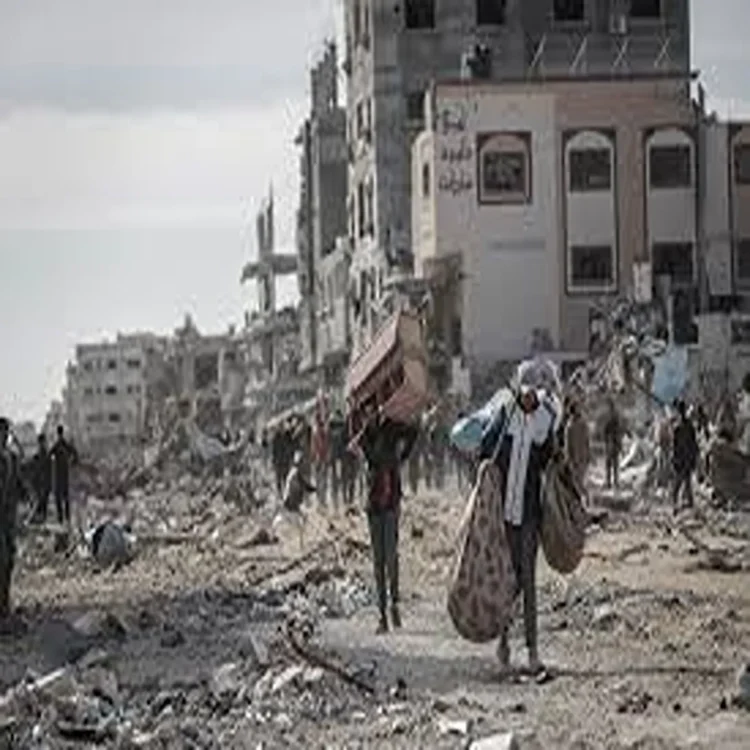
Humanitarian – A growing humanitarian concern is unfolding in Gaza, where thousands of individuals who have lost limbs are struggling to access basic prosthetic and rehabilitation services. According to recent updates from the United Nations Office for the Coordination of Humanitarian Affairs, the region is facing an acute shortage of trained professionals and essential materials needed to support amputees.
Rising Number of Amputees Creates Urgent Demand
Humanitarian organizations working in Gaza report that more than 6,600 people currently require prosthetic limbs and rehabilitation support. Alarmingly, children make up nearly 20 percent of this group. Many of these cases are recent, linked to injuries sustained since October 2023, adding further pressure to an already strained healthcare system.
The scale of need continues to grow, while available services remain limited. Medical workers and aid agencies warn that without immediate intervention, thousands may face prolonged disability and reduced quality of life.
Severe Shortage of Skilled Technicians
One of the most pressing challenges is the lack of trained prosthetic specialists. At present, only eight technicians are available to serve the entire population requiring these services. This imbalance between demand and capacity is slowing down treatment and recovery efforts significantly.
Experts estimate that even if no new injuries occur, it could take five years or more to address the current backlog. This timeline reflects both the complexity of prosthetic care and the limited resources on the ground.
Restrictions on Medical Supplies Worsen Situation
In addition to workforce shortages, the entry of prosthetic materials into Gaza remains heavily restricted. Aid agencies have highlighted that these limitations are preventing the expansion of workshops and delaying the production of artificial limbs.
Humanitarian groups are calling for urgent international support, including the deployment of additional specialists and the easing of restrictions on essential medical supplies. Without these measures, recovery efforts are expected to remain slow and insufficient.
Ongoing Relief Efforts Provide Limited Support
Despite these challenges, humanitarian organizations continue to deliver assistance to affected communities. Relief teams have distributed essential supplies such as tents, bedding, and materials for temporary shelter to thousands of households.
Emergency shelters, particularly in areas like Khan Younis, are being constructed using available resources such as plastic sheets. While these structures offer immediate relief for displaced families, they are not designed for long-term use and require upgrades once more durable materials become accessible.
Health Concerns Add to Crisis
Medical professionals are also raising concerns about secondary health risks. Overcrowded living conditions and inadequate shelter have led to an increase in skin diseases and other health problems. The presence of pests and rodents in temporary settlements is further contributing to these issues.
These conditions highlight the broader impact of the crisis, extending beyond immediate injuries to long-term public health challenges.
Call for Sustained Humanitarian Access
UN officials emphasize that while ongoing efforts have helped save lives and prevent larger-scale disasters such as famine, much more remains to be done. Key priorities include ensuring consistent humanitarian access, protecting civilians, and maintaining neutrality in aid delivery.
Relief coordinators stress that coordinated global action is necessary to address both immediate needs and long-term recovery. Expanding medical infrastructure, improving supply chains, and supporting local healthcare workers are seen as critical steps toward stabilizing the situation.
As the humanitarian crisis continues, the need for comprehensive support systems for amputees remains a central concern. Without timely intervention, thousands risk being left without the care required to rebuild their lives.