
GlobalOil – Prolonged Naval Blockade on Iran Pushes Crude Prices Higher
GlobalOil – Global energy markets saw renewed volatility as crude prices climbed sharply following remarks from US President Donald Trump about the possibility of a prolonged naval blockade targeting Iran. The statement, coupled with stalled diplomatic efforts, has intensified uncertainty across international markets and raised concerns about long-term economic consequences.
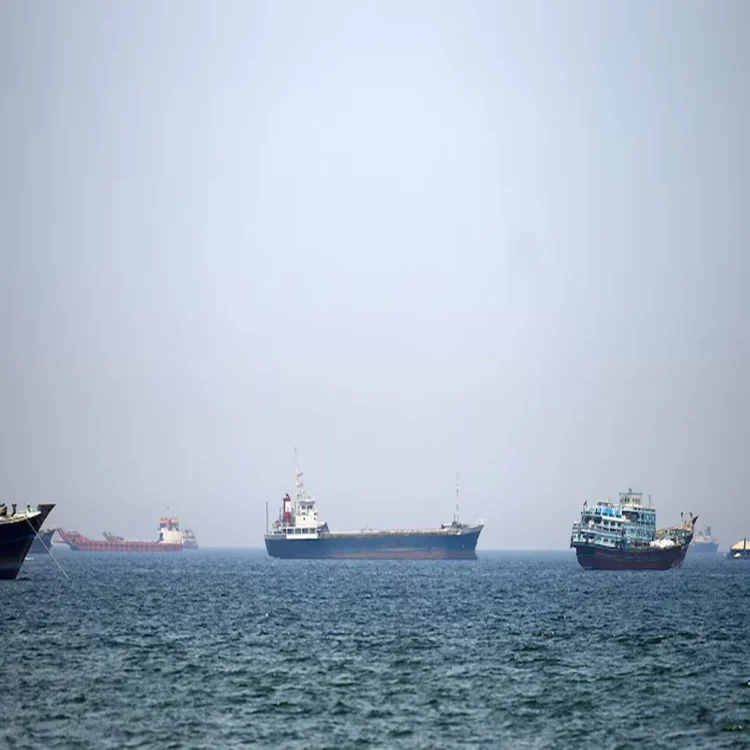
Oil Prices Surge Amid Rising Tensions
Oil benchmarks recorded a notable increase, with Brent crude climbing to levels not seen since the early phase of the Ukraine conflict in 2022. Analysts attribute the surge to fears of disrupted supply chains, particularly as tensions surrounding Iran’s access to global trade routes deepen.
The Strait of Hormuz, a critical passage for global oil shipments, remains central to the situation. Iran has signaled its willingness to leverage control over the waterway, through which a significant share of the world’s oil supply passes daily. This has heightened market anxiety, with traders factoring in potential disruptions.
Diplomatic Efforts Remain Uncertain
Efforts to revive negotiations between Washington and Tehran have made little progress. Recent attempts at dialogue have failed to produce meaningful outcomes, with both sides expressing skepticism about each other’s intentions. A recent phone conversation between Trump and Russian President Vladimir Putin underscored the risks, as Moscow cautioned against further escalation.
US officials have also struggled to establish clear communication channels with Iranian representatives. Internal divisions within Iran’s leadership have made it difficult to determine who holds authority in negotiations, further complicating diplomatic efforts.
Economic Pressure Mounts on Multiple Fronts
The ongoing standoff is not only affecting oil markets but also placing strain on global economies. Rising fuel prices have already begun to impact consumers, particularly in the United States, where domestic political pressure is building on the administration to find a resolution.
Additionally, the cost of essential commodities such as fertilizers has increased, raising concerns about food security in vulnerable regions. A recent international assessment warned that millions of people could face worsening economic conditions if the conflict persists.
Within Iran, the national currency has weakened significantly, reflecting internal economic distress. Citizens have reported growing frustration as sanctions and instability continue to erode purchasing power and limit opportunities.
Strained Relations with Allies
The situation has also created friction between the United States and its allies. Germany, among others, has resisted calls to support military or peacekeeping initiatives linked to the conflict. This has prompted sharp reactions from Washington, highlighting divisions within Western alliances over how to address the crisis.
European leaders have emphasized the importance of diplomacy over military escalation, urging restraint and renewed dialogue. However, differences in approach have made it difficult to present a unified international response.
Regional Impact and Continued Violence
Beyond the economic implications, the conflict continues to affect regional stability. In Lebanon, tensions remain high despite an existing ceasefire agreement. Recent incidents have resulted in casualties among Lebanese forces, raising concerns about the fragility of the truce.
Lebanese authorities have called for adherence to ceasefire terms and stressed the need for negotiations as the only viable path toward lasting security. Meanwhile, humanitarian conditions in the region are deteriorating, with large segments of the population facing food insecurity.
Iran’s Position and Strategic Moves
Iran has indicated a willingness to consider easing its influence over key shipping routes if broader negotiations move forward and restrictions are lifted. However, US officials remain cautious, viewing such proposals with skepticism.
Iranian leadership has framed the naval blockade as an attempt to weaken the country internally. Officials have urged unity, warning that external pressure is designed to create instability within the nation.
Outlook Remains Uncertain
As tensions persist, the path forward remains unclear. While diplomatic channels remain open in theory, mutual distrust continues to hinder progress. Market watchers and policymakers alike are closely monitoring developments, aware that any escalation could have far-reaching consequences for global stability.