
EnergyCrisis – Global LNG Supply Strain Highlights US Infrastructure Limits
EnergyCrisis – The ongoing geopolitical tensions in the Middle East have triggered fresh concerns across global energy markets, with industry leaders cautioning that the United States may not be able to quickly compensate for a growing liquefied natural gas shortage. Despite having abundant natural resources, experts say the country lacks the necessary infrastructure to respond swiftly to disruptions affecting global supply chains.
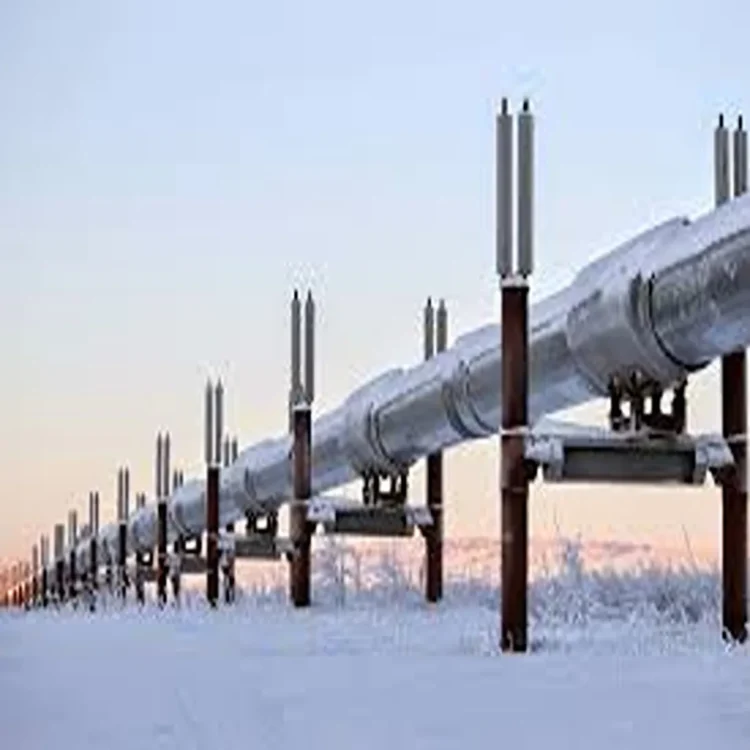
Gulf Disruptions Shake Global Energy Flow
Recent military developments involving the United States and Israel have significantly impacted energy movement in the Gulf region. Iran’s response has effectively restricted access through the Strait of Hormuz, a critical route responsible for transporting nearly one-fifth of the world’s oil and LNG supplies. This disruption has slowed exports from key producers, particularly Qatar, one of the leading LNG suppliers globally.
The situation has placed additional pressure on alternative exporters, especially the United States, which has emerged as a dominant player in LNG exports over the past decade. However, industry representatives warn that production capacity alone does not guarantee the ability to meet sudden spikes in demand.
US LNG Sector Faces Capacity Challenges
Speaking at a major energy conference in Houston, sector leaders emphasized that while US reserves are substantial, the infrastructure required to process and export LNG at higher volumes remains insufficient. Existing facilities are already operating beyond typical levels, leaving little room for immediate expansion.
According to industry officials, the rapid growth of US LNG exports since 2016 has not been matched by equally fast development in export terminals and supporting systems. Although several projects are underway or approved, they are unlikely to deliver immediate relief to the current supply crunch.
Europe and Asia Confront Supply Uncertainty
The impact of the supply disruption is being felt most strongly in Europe and Asia. European nations, already reliant on LNG imports following reduced access to Russian energy, now face uncertainty over their ability to secure adequate reserves for the upcoming winter season. Rising prices are also becoming a concern, adding economic pressure to the region.
In Asia, where the majority of LNG shipments passing through the Strait of Hormuz are typically delivered, governments and companies are taking steps to manage demand. Conservation measures and adjustments in energy consumption are being implemented to cope with reduced availability.
Energy companies in the United States have indicated that they are attempting to maximize output and redirect supplies where possible. However, maintaining safety standards and operational reliability remains a priority, limiting how far production can be stretched.
Regulatory Delays Slow Expansion Efforts
One of the key challenges highlighted by industry leaders is the lengthy and complex permitting process required for new energy infrastructure projects in the United States. Despite political support for expanding domestic energy production, regulatory hurdles and legal disputes have slowed progress.
Opposition from environmental groups has led to multiple legal challenges against proposed LNG facilities, while legislative efforts to streamline approvals have struggled to gain traction in Congress. As a result, projects that could enhance export capacity remain delayed.
There are indications that the current global energy situation may encourage bipartisan cooperation to address these bottlenecks. Some policymakers see the crisis as an opportunity to push forward reforms aimed at accelerating infrastructure development.
Long-Term Solutions Needed Amid Immediate Constraints
While discussions around policy changes and infrastructure expansion continue, experts agree that such measures will take time to produce tangible results. The current shortage highlights the limitations of existing systems and the challenges of responding quickly to global disruptions.
For now, the world’s energy markets remain vulnerable to geopolitical developments, with supply and demand dynamics tightly balanced. The situation underscores the importance of long-term planning and investment in energy infrastructure to ensure greater resilience in the face of future crises.