
Energy – US Allows Temporary Release of Iranian Oil to Ease Markets
Energy – The United States has announced a temporary easing of restrictions on Iranian oil shipments currently stranded at sea, in a move aimed at stabilizing global energy markets. According to officials, the decision permits the release of oil already loaded onto tankers as of Friday, with the authorization valid for one month, ending on April 19.
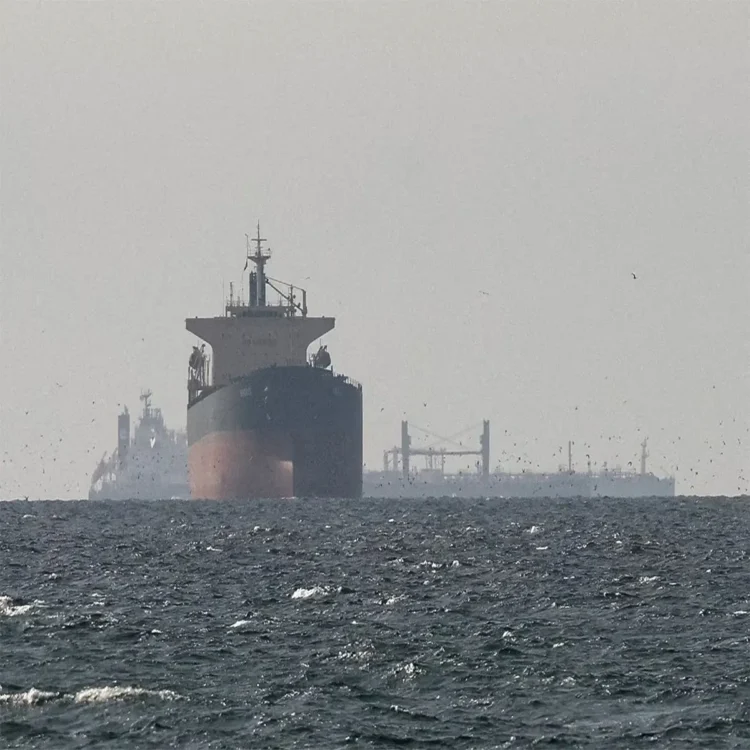
Temporary License to Boost Global Supply
The measure is expected to inject a significant volume of crude into international markets. US Treasury Secretary Scott Bessent stated that approximately 140 million barrels of oil could become available during this period. The administration believes this step will help counter recent supply disruptions and bring some relief to rising fuel costs worldwide.
The decision comes at a time when oil prices have been climbing steadily, driven by ongoing instability in the Middle East. By allowing access to oil that is already in transit, Washington hopes to quickly address shortages without altering broader sanctions policies.
Rising Tensions in the Middle East
The announcement coincided with heightened tensions involving Iran. Earlier the same day, Iranian authorities warned they could expand retaliatory actions beyond military targets, potentially including civilian and tourist locations across different regions.
In response, the United States confirmed the deployment of additional naval forces and Marine units to the region, signaling a readiness to protect its interests and allies. However, the situation appeared to shift within hours when President Donald Trump indicated that the administration might begin scaling back military operations.
Market Reactions and Policy Signals
The president’s statement followed a sharp rise in oil prices that had negatively impacted US financial markets. The stock market experienced a downturn as energy costs surged, reflecting investor concerns about prolonged instability.
These contrasting messages from Washington have added a layer of uncertainty to an already volatile situation. While the temporary oil release suggests an effort to stabilize markets, discussions about reducing military engagement indicate a possible shift in strategy.
Ongoing Conflict and Regional Impact
The broader conflict continues to escalate, with Iran reportedly launching further strikes targeting Israel as well as energy infrastructure in nearby Gulf nations. These developments have occurred during a significant period in the Islamic calendar, adding to the emotional and cultural weight of the crisis.
At the same time, people in Iran have been marking Nowruz, the Persian New Year, traditionally a time of celebration. This year, however, festivities have been overshadowed by reports of airstrikes in Tehran.
Uncertainty Over Damage and Leadership
Limited information has emerged from within Iran regarding the extent of damage caused by recent US and Israeli strikes, which began on February 28. It remains unclear how severely the country’s military, nuclear, and energy facilities have been affected.
Questions have also arisen about the internal leadership structure in Iran, as conflicting reports make it difficult to assess who is currently directing the country’s response.
Broader Economic Consequences
Despite the lack of clear details, the ongoing conflict is already affecting global markets. Disruptions to oil supplies have contributed to rising fuel and food prices, with impacts felt well beyond the Middle East.
The United States and Israel have cited varying objectives for their actions, ranging from limiting Iran’s nuclear capabilities to encouraging political change within the country. However, there is no visible evidence of internal unrest significant enough to alter Iran’s leadership.
For now, the conflict shows little sign of resolution, and the temporary release of Iranian oil appears to be a short-term measure to manage immediate economic pressures.