
Energy – South Korea Moves to Secure Oil Supplies Amid Gulf Tensions
Energy – South Korea is stepping up diplomatic engagement in the Middle East as it seeks to ensure stable access to crude oil and naphtha, key resources for its economy, amid ongoing geopolitical tensions in the region. A senior presidential official confirmed that a high-level delegation will travel to Kazakhstan, Oman, and Saudi Arabia to strengthen energy cooperation and explore additional supply options.
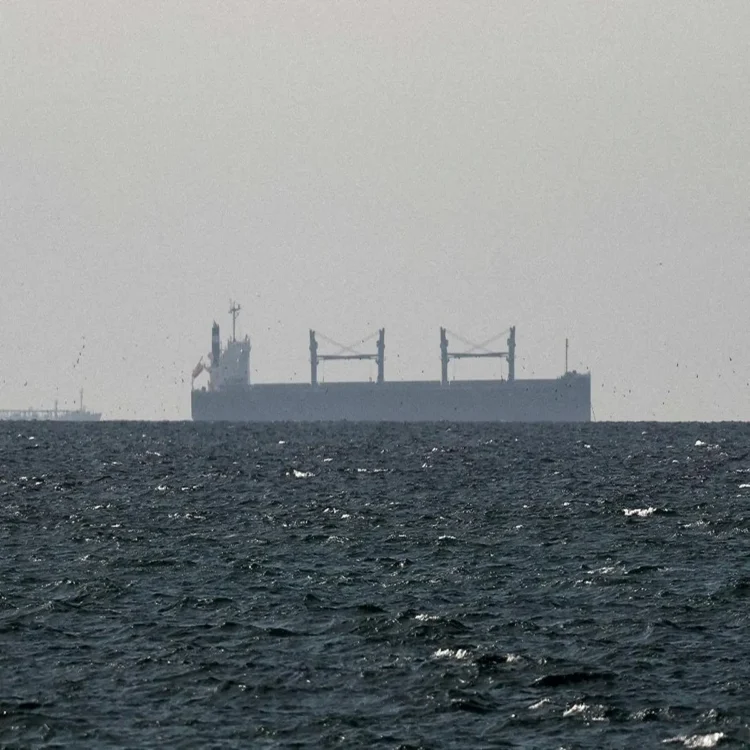
Diplomatic Push to Safeguard Energy Imports
Kang Hoon-sik, chief of staff to President Lee Jae Myung, is leading the visit as a special envoy. The trip comes at a time when uncertainty persists over the situation in the Strait of Hormuz, a critical shipping route that has seen limited activity following recent military developments involving the United States, Israel, and Iran.
Speaking to reporters ahead of his departure, Kang emphasized that maintaining a steady flow of essential resources is currently the government’s top priority. South Korea relies heavily on imports from the Middle East, particularly for crude oil and naphtha, which are vital for its petrochemical and manufacturing sectors.
Strait of Hormuz Disruptions Raise Concerns
The strategic waterway has effectively remained restricted, complicating shipping operations and raising concerns over global supply chains. The situation has been further intensified by renewed warnings from Washington directed at Tehran regarding the reopening of the route.
With limited progress toward easing tensions in the region, Seoul is focusing on both immediate supply needs and long-term resilience. Officials believe that diversifying import sources is essential until stability returns to the Gulf.
Existing Agreements and Incoming Shipments
Kang highlighted that South Korea had already secured an agreement last month to receive 24 million barrels of crude oil from the United Arab Emirates. These shipments, along with naphtha supplies, are currently arriving at domestic ports, offering some relief to the supply chain.
However, authorities are not relying solely on existing arrangements. The government is actively working to expand partnerships and ensure uninterrupted access to energy resources through sustained diplomatic engagement.
Focus on Alternative Supply Channels
Recognizing the risks associated with overdependence on a single region, Kang underscored the importance of identifying alternative sources. He stated that the government would collaborate closely with domestic energy firms to translate high-level discussions into concrete agreements.
Officials accompanying the delegation include representatives from the trade ministry and major energy companies, indicating a coordinated approach between the public and private sectors.
Safety Measures for Stranded Vessels
In addition to supply concerns, the government is also addressing the safety of South Korean maritime assets. Currently, 26 vessels flying the national flag remain in the Strait of Hormuz, where they have been unable to proceed due to the prevailing security situation.
Authorities are taking steps to ensure the safe passage of these ships, with particular attention to the welfare of crew members. Decisions are being made in consultation with shipping companies to balance operational needs with safety considerations.
Broader Implications for Energy Security
The unfolding developments highlight the vulnerability of global energy networks to geopolitical instability. For South Korea, which lacks significant domestic energy resources, maintaining diversified and secure supply lines remains a critical policy objective.
Kang’s visit is expected to focus not only on immediate supply arrangements but also on strengthening long-term cooperation with key partners in the region. The outcome of these discussions could play an important role in shaping the country’s energy strategy in the months ahead.
As the situation in the Middle East continues to evolve, Seoul’s proactive approach reflects growing urgency to shield its economy from external shocks and ensure continuity in industrial operations.