
ElectionAI – US Lawmakers Push Bill to Ban Deceptive AI Political Campaign Ads
ElectionAI –Artificial intelligence has become an increasingly influential tool in political communication, but lawmakers in the United States are seeking stronger safeguards to prevent its misuse during election campaigns.
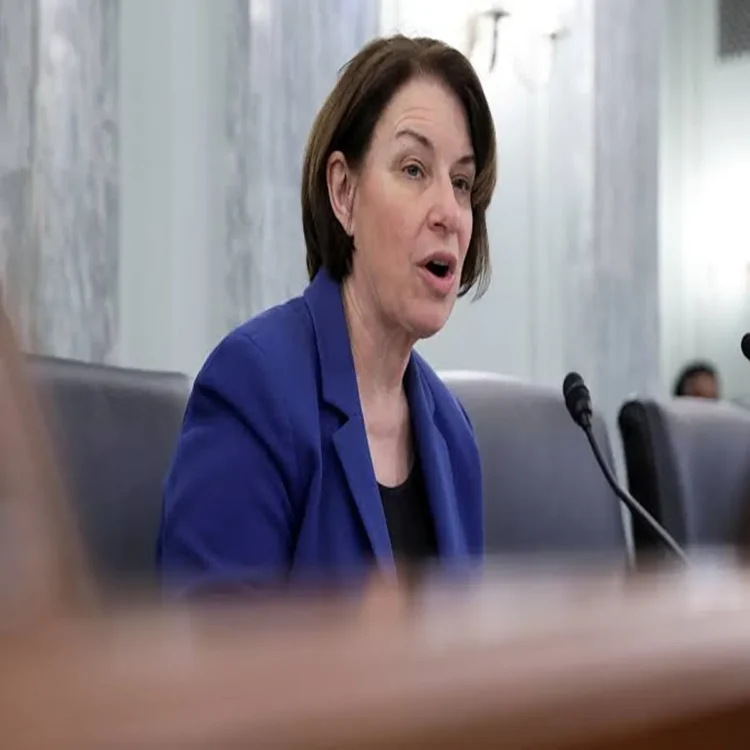
Two Democratic lawmakers have once again introduced legislation aimed at stopping the use of deceptive artificial intelligence-generated political advertisements, arguing that manipulated digital content could mislead voters and weaken confidence in the electoral process. Senator Adam Schiff and Representative Ro Khanna of California announced the renewed proposal, known as the AI Ads Act, which is designed to restrict the use of AI-created material that falsely represents political candidates, campaign committees, or election-related organizations.
Bill Targets Misleading AI Campaign Content
The proposed legislation would make it illegal to create or distribute campaign advertisements that use artificial intelligence to falsely imitate a candidate’s appearance, voice, or public positions. According to the lawmakers, the measure is intended to prevent voters from being influenced by fabricated content that appears authentic but has been digitally altered through AI technology.
The bill also incorporates bipartisan recommendations previously issued by the Federal Election Commission. Schiff originally introduced a similar version of the proposal during the previous session of Congress while serving in the House of Representatives.
Lawmakers Warn of Growing Election Risks
Speaking about the proposal, Senator Schiff said that the increasing sophistication of artificial intelligence has made it more difficult for voters to distinguish genuine political messages from manipulated content. He argued that misleading AI-generated advertisements threaten the integrity of democratic elections by falsely portraying candidates or altering public perception of their policies and campaigns.
Schiff also pointed to the growing number of political races in which AI-generated campaign material has already appeared, warning that the challenge could intensify as the technology continues to evolve. With national elections approaching, he stressed that lawmakers should move quickly to establish clear legal protections against deceptive political advertising.
Khanna Highlights Responsible AI Use
Representative Ro Khanna said artificial intelligence has enormous potential to improve many aspects of modern society, but emphasized that innovation must not come at the expense of fair and transparent elections. He said AI should never be used to spread false information about candidates or manipulate voters through fabricated campaign material.
Khanna added that the legislation seeks to strike a balance between supporting technological progress and protecting democratic institutions from emerging digital threats.
Expanded Protections Under the Proposal
Beyond misleading advertisements, the AI Ads Act would broaden existing federal rules that prohibit fraudulent political misrepresentation. The legislation would extend those restrictions to content created entirely or partially with artificial intelligence.
The proposal would also strengthen safeguards against individuals or organizations falsely claiming to represent political candidates, campaign committees, or other election-related groups. In addition, it removes an existing legal requirement that deceptive political claims must specifically damage another candidate or political party before enforcement action can be taken.
Advocacy Groups Back the Legislation
Several organizations focused on government accountability and election integrity have endorsed the measure. Supporters include the Campaign Legal Center, Citizens for Responsibility and Ethics in Washington, Common Cause, Protect Democracy, and Public Citizen.
Abigail Bellows of Common Cause said misleading AI-generated online content has the potential to manipulate public opinion and influence election outcomes. She noted that the proposed legislation would help ensure advances in artificial intelligence do not outpace transparency standards for political campaigns.
Craig Holman of Public Citizen observed that roughly 30 US states have already introduced laws addressing deceptive AI practices in state elections. He said similar protections should now be adopted at the federal level to provide consistent safeguards nationwide.
Khanna, who represents California’s 17th Congressional District in the heart of Silicon Valley, has long focused on technology policy and its impact on democratic institutions. As artificial intelligence becomes more advanced and widely available, supporters of the AI Ads Act argue that stronger federal rules are necessary to maintain public trust in future elections.