
AsylumPolicy – US Introduces New Rule Allowing Judges to Review Some Asylum Cases Directly
AsylumPolicy – The United States has introduced a significant change to its asylum process, allowing certain applications to move directly to immigration judges without first undergoing an interview with US Citizenship and Immigration Services (USCIS). The Trump administration says the measure is intended to reduce mounting case backlogs and speed up decisions, while immigration advocacy groups argue it could limit important procedural safeguards for asylum seekers.
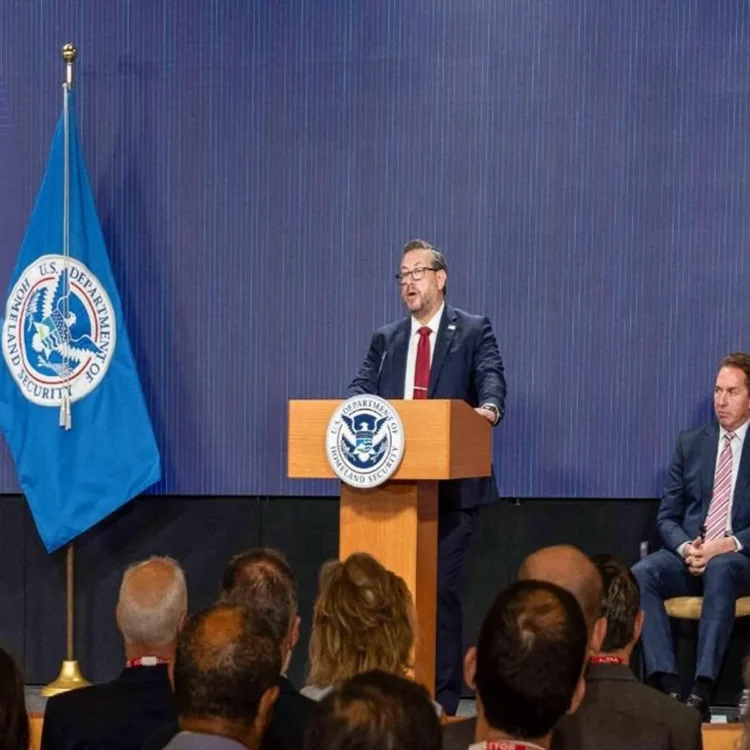
New Rule Changes the Existing Asylum Process
The Department of Homeland Security (DHS) announced an interim final rule that immediately alters how some affirmative asylum applications are handled. Under the revised system, USCIS may send eligible applications directly to immigration judges instead of first conducting an interview with the applicant.
Affirmative asylum claims are generally submitted by individuals who are not currently involved in deportation proceedings. Until now, USCIS has been responsible for interviewing applicants before deciding whether to approve the request or refer the case to an immigration judge. Officials said the public will still have an opportunity to submit comments before the regulation is finalized.
Government Says the Measure Will Improve Efficiency
According to DHS, the previous process often required applicants to go through multiple stages of review, creating additional delays in an already overloaded immigration system. Officials believe removing the initial interview in selected cases will help asylum officers and immigration judges resolve applications more quickly.
USCIS Director Joseph Edlow said the asylum system should focus on people with legitimate claims of persecution rather than being used as a means to delay immigration proceedings or obtain work authorization. He stated that the revised process is designed to direct government resources toward applicants who genuinely qualify for humanitarian protection while reducing unnecessary procedural steps.
Officials Link Delays to Immigration System Abuse
DHS General Counsel James Percival also defended the policy change, arguing that prolonged delays have made immigration enforcement less effective. He claimed that some undocumented immigrants, along with their legal representatives, have intentionally prolonged proceedings, placing additional strain on the system.
Percival said his office continues to work with other DHS agencies to improve efficiency and implement the administration’s broader immigration priorities. In his view, allowing certain asylum cases to proceed directly before immigration judges is one way to reduce processing times and improve case management.
Advocacy Groups Raise Due Process Concerns
Immigration advocacy organization FWD.us criticized the new regulation, describing it as a major departure from decades of established USCIS procedures. The group warned that bypassing interviews could remove an important opportunity for asylum officers to evaluate an applicant’s testimony before a case reaches court.
The organization also expressed concern that referral documents sent to immigration judges may no longer include assessments of an applicant’s credibility, a feature that has traditionally been part of the review process. According to FWD.us, the change may weaken procedural protections available to asylum seekers.
Questions Over Rulemaking Process
FWD.us also objected to the administration’s decision to issue the measure as an interim final rule rather than following the standard notice-and-comment procedure before implementation. The group argued that this approach limits public participation during the policymaking process and raises concerns about transparency.
The organization described the new regulation as harmful to asylum applicants, maintaining that it could reduce access to procedural safeguards that have long been part of the immigration system.
Broader Immigration Issues Continue
The latest asylum policy change comes as hundreds of thousands of immigrants continue to wait for decisions related to Temporary Protected Status (TPS). FWD.us noted that legal uncertainty remains for several nationalities after recent court actions.
The advocacy group said protections for individuals from Haiti and Syria could face changes following a Supreme Court ruling. At the same time, separate court orders have temporarily blocked the termination of TPS protections for people from Burma, Ethiopia, Somalia, South Sudan, and Yemen while legal challenges continue.